


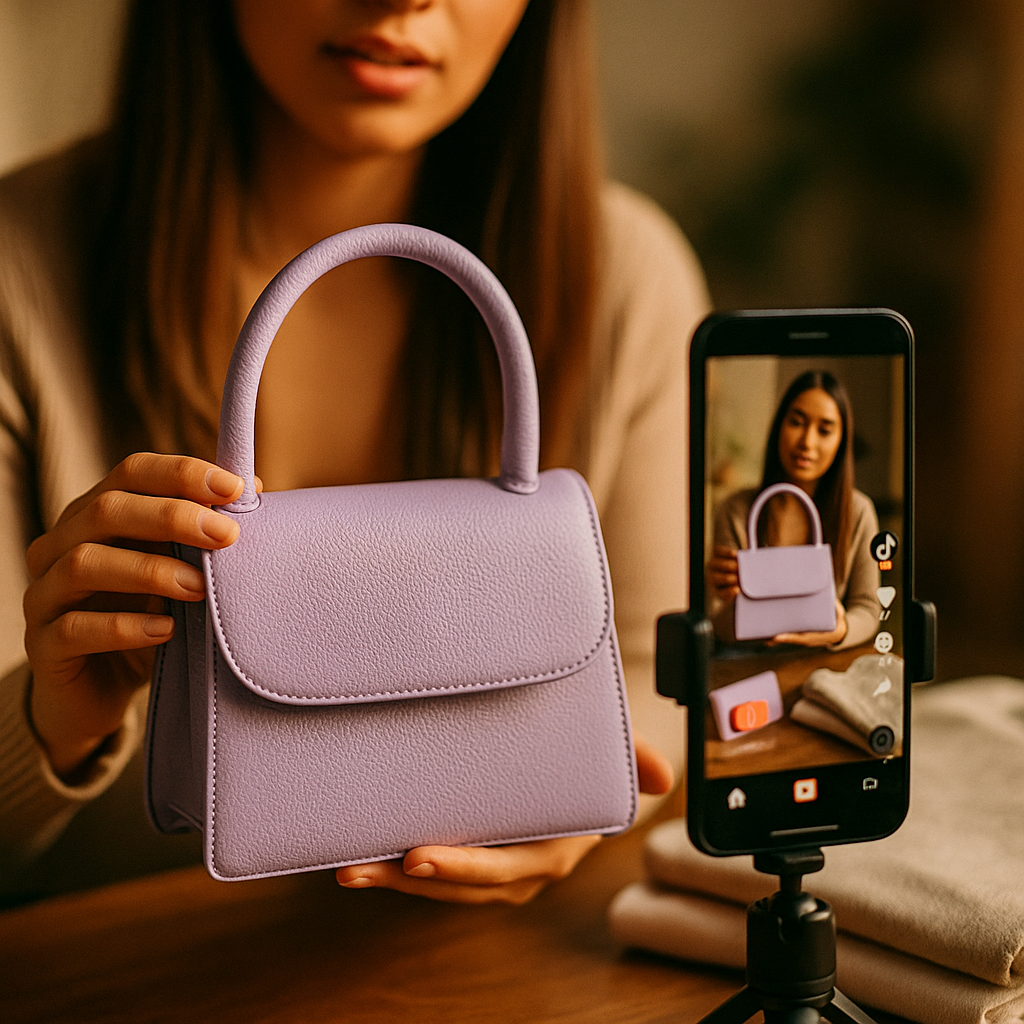
Search behavior has quietly flipped. Nearly half of Gen Z now starts product research on TikTok before Google, and the platform’s own commerce data shows demonstration-style videos converting at rates traditional product shots can’t touch. If your brand still treats TikTok Shop as a bolt-on to a content calendar, you’re leaving a shoppable tutorial engine sitting idle. This playbook breaks down how to structure discovery-first product demos that actually drive purchase intent, not just watch time.
Why “Discovery-First” Changes the Whole Brief
Most brands still brief creators the way they’d brief a QVC segment: show the product, hit the benefits, close with a CTA. That structure works on platforms where the viewer already searched for the product. TikTok is different. The viewer didn’t ask for your product. The algorithm handed it to them mid-scroll, sandwiched between a cooking hack and a breakup story.
That context changes everything about pacing, hook, and proof. A discovery-first demo has to earn attention before it earns trust, and it has to earn trust before it asks for a sale. Get the sequence wrong and the video dies in the first three seconds, regardless of production quality.
On TikTok, the product isn’t the hook. The problem is the hook. Brands that lead with features instead of friction lose the scroll before the demo even starts.
The Anatomy of a Shoppable Tutorial That Actually Converts
Strip away the trends and filters, and high-performing TikTok product demos share a consistent skeleton. It’s less “script” and more “sequence”:
- Friction hook (0-3 seconds): Name the problem in the viewer’s own language. “Why does my foundation crease by noon” beats “Introducing our new long-wear formula” every time.
- Credibility flash (3-6 seconds): A quick signal that this creator has standing to solve the problem. Could be a before/after glimpse, a stat, or simply the creator’s known niche.
- Demonstration in real conditions (6-25 seconds): Not a studio close-up. Messy kitchen counter, actual bathroom lighting, real skin texture. Authenticity out-converts polish here.
- Objection preempt (25-35 seconds): Address the thing the viewer is already skeptical about. Price, mess, learning curve, whatever it is.
- Shoppable close (final 5-10 seconds): Direct, low-pressure CTA tied to the on-screen product card or pinned comment.
Notice what’s missing: a long brand introduction. Save that for your owned channels. On TikTok, brand-first framing is a scroll signal, not a trust signal.
Pacing Is a Retention Lever, Not an Aesthetic Choice
TikTok’s algorithm rewards completion rate and rewatches more than almost any other engagement signal. Demos that front-load the payoff (showing the “after” within the first ten seconds, then rewinding to explain “how”) consistently outperform linear step-by-step formats. It feels counterintuitive if you come from a broadcast or YouTube background, where sequential build-up is standard. On TikTok, sequential build-up is where you lose people.
Test both structures with the same product before committing budget to a full slate. The data usually settles the argument fast.
Structuring for Search, Not Just Sound
TikTok functions as a search engine now, and its SEO logic differs from Google’s. Captions, on-screen text, and spoken audio all get indexed and weighted for discovery. A tutorial titled only with a trending sound reference is invisible to someone typing “best budget blender for smoothies” into TikTok’s search bar.
Practical structure for search-friendly demos:
- Say the product category and primary use case out loud in the first sentence, not just in text overlay.
- Use captions that mirror actual search phrases (“how to remove pilling from sweaters” rather than “sweater hack”).
- Tag the TikTok Shop product directly rather than relying on a bio link, since in-video tagging feeds the shopping surface differently than external links.
- Layer 2-3 relevant hashtags that match category search terms, skip the generic viral tags that add reach but no relevant intent.
This is also where attribution gets messy for brands running multiple creators against the same SKU. If you’re already wrestling with deduplication across influencer touchpoints, the fixes look a lot like what’s outlined in the deduplication claim analysis Influencers Time ran on cross-platform attribution accuracy.
Compliance Isn’t Optional When “Demo” Meets “Sell”
Here’s where a lot of brands get sloppy. A shoppable tutorial is, functionally, an advertisement with a product demonstration baked in. That triggers disclosure obligations under FTC guidance regardless of whether the video “feels” organic. If a creator was compensated, gifted product, or given an affiliate link, the material connection needs to be disclosed clearly and conspicuously, not buried in a hashtag string at the bottom of a caption.
The FTC’s endorsement guidance has gotten more specific about platform-native disclosure formats, and TikTok’s own branded content toggle is not a substitute for a verbal or on-screen disclosure in the video itself. Brands that skip this step aren’t just risking a warning letter. They’re risking the retailer relationship if TikTok Shop compliance reviews flag the content.
There’s also a product-authenticity layer specific to TikTok Shop now. With counterfeit and gray-market listings under more scrutiny, sellers need to understand how real IP verification affects which products creators can legally demo and tag. Skipping that check can get a listing (and the creator content promoting it) pulled without warning.
Creator Selection: Demo Skill Beats Follower Count
This is the section every performance marketer needs pinned above their brief template. Follower count tells you reach. It tells you almost nothing about whether someone can hold a product, explain a use case in fifteen seconds, and make it feel unscripted.
The creators who consistently drive TikTok Shop conversions tend to share a specific skill: they can narrate while doing. Most people can’t do both smoothly, and it shows on camera as hesitation or over-scripting. When vetting creators for demo-heavy briefs, ask for raw, unedited demo footage of a past campaign before signing. Editing hides a lot of narration problems that the algorithm’s completion-rate signal will punish.
Nano and micro creators often outperform bigger names here specifically because their production style already looks like the “friction hook to real-condition demo” structure outlined above, it’s native to how they post anyway. That’s part of why network models built around nano creator volume have gained traction for exactly this use case: lower cost per demo, higher structural fit.
Whitelisting and Paid Amplification: Don’t Waste the Best Demos on Organic Alone
A demo that performs organically is a signal, not an endpoint. Once a tutorial shows strong completion rate and click-through on the product card, it’s a candidate for Spark Ads amplification or creator whitelisting to extend reach past the creator’s own audience.
The mistake brands make is treating organic performance and paid performance as separate strategies with separate content. They shouldn’t be. The best-performing organic demo, run through TikTok’s advertising platform as a Spark Ad, typically outperforms a purpose-built ad creative because the audience has already voted with completion and engagement.
Brands running manual whitelisting workflows against automated tools have found meaningful ROI gaps depending on execution speed, which is worth reviewing in the Symphony vs. manual whitelisting comparison before deciding how to scale a winning demo.
Measuring What Actually Matters
Views and likes are vanity signals for a shoppable tutorial engine. The metrics that matter: product card click-through rate, add-to-cart rate from video traffic, and completion rate segmented by whether the viewer came from For You Page discovery versus search. If your dashboard can’t split those, you’re flying blind on which structural element (hook, pacing, objection handling) is actually driving commerce.
Real-time visibility matters more here than in most influencer formats because TikTok Shop trends can spike and decay within days. Brands that can shift budget mid-campaign based on live product-card performance consistently capture more of a trend’s lifecycle than those waiting on weekly reporting cycles.
Common Structural Mistakes That Kill Conversion
- Front-loading brand messaging instead of the problem statement, which signals “ad” before the viewer has any reason to care.
- Over-editing demos to the point they look aspirational rather than replicable, which erodes the “I can do this too” trust that drives add-to-cart behavior.
- Ignoring the pinned comment as a secondary CTA surface, it’s free real estate for addressing the top objection with a second nudge toward the product link.
- Treating every demo as evergreen when TikTok Shop trends are often seasonal or sound-dependent, meaning last quarter’s winning structure may already be stale.
Structure the demo for discovery first, sale second, and the shoppable outcome tends to follow on its own terms.
Frequently Asked Questions
What makes a TikTok product demo “discovery-first” versus a standard ad?
A discovery-first demo is structured for viewers who didn’t search for the product and may not even know they have the problem it solves. It leads with a relatable friction point rather than a brand pitch, and it earns attention before asking for a sale.
How long should a shoppable tutorial video be?
Most high-performing demos run 20-40 seconds, long enough to show real use and address one objection, short enough to protect completion rate. Longer tutorials can work for complex products but need a strong mid-video retention hook to avoid drop-off.
Do creators need to disclose paid product demos on TikTok Shop?
Yes. Any material connection, including gifted product, payment, or affiliate commission, requires clear disclosure under FTC guidance, and this applies regardless of whether the content appears organic or uses TikTok’s branded content tools.
Should brands prioritize follower count or demo skill when casting creators?
Demo skill matters more for shoppable tutorials specifically. A creator’s ability to narrate naturally while showing product use correlates more closely with completion rate and add-to-cart behavior than raw audience size.
How does TikTok Shop attribution differ from standard influencer tracking?
TikTok Shop’s in-video product tagging and Shop tab data create a more direct attribution path than bio links, but cross-creator deduplication and multi-touch overlap still require careful measurement setup to avoid overstating results.
Frequently Asked Questions
What makes a TikTok product demo “discovery-first” versus a standard ad?
A discovery-first demo is structured for viewers who didn’t search for the product and may not even know they have the problem it solves. It leads with a relatable friction point rather than a brand pitch, and it earns attention before asking for a sale.
How long should a shoppable tutorial video be?
Most high-performing demos run 20-40 seconds, long enough to show real use and address one objection, short enough to protect completion rate. Longer tutorials can work for complex products but need a strong mid-video retention hook to avoid drop-off.
Do creators need to disclose paid product demos on TikTok Shop?
Yes. Any material connection, including gifted product, payment, or affiliate commission, requires clear disclosure under FTC guidance, and this applies regardless of whether the content appears organic or uses TikTok’s branded content tools.
Should brands prioritize follower count or demo skill when casting creators?
Demo skill matters more for shoppable tutorials specifically. A creator’s ability to narrate naturally while showing product use correlates more closely with completion rate and add-to-cart behavior than raw audience size.
How does TikTok Shop attribution differ from standard influencer tracking?
TikTok Shop’s in-video product tagging and Shop tab data create a more direct attribution path than bio links, but cross-creator deduplication and multi-touch overlap still require careful measurement setup to avoid overstating results.
Top Influencer Marketing Agencies
The leading agencies shaping influencer marketing in 2026
Agencies ranked by campaign performance, client diversity, platform expertise, proven ROI, industry recognition, and client satisfaction. Assessed through verified case studies, reviews, and industry consultations.
Moburst

-
2

The Shelf
Boutique Beauty & Lifestyle Influencer AgencyA data-driven boutique agency specializing exclusively in beauty, wellness, and lifestyle influencer campaigns on Instagram and TikTok. Best for brands already focused on the beauty/personal care space that need curated, aesthetic-driven content.Clients: Pepsi, The Honest Company, Hims, Elf Cosmetics, Pure LeafVisit The Shelf → -
3

Audiencly
Niche Gaming & Esports Influencer AgencyA specialized agency focused exclusively on gaming and esports creators on YouTube, Twitch, and TikTok. Ideal if your campaign is 100% gaming-focused — from game launches to hardware and esports events.Clients: Epic Games, NordVPN, Ubisoft, Wargaming, Tencent GamesVisit Audiencly → -
4

Viral Nation
Global Influencer Marketing & Talent AgencyA dual talent management and marketing agency with proprietary brand safety tools and a global creator network spanning nano-influencers to celebrities across all major platforms.Clients: Meta, Activision Blizzard, Energizer, Aston Martin, WalmartVisit Viral Nation → -
5

The Influencer Marketing Factory
TikTok, Instagram & YouTube CampaignsA full-service agency with strong TikTok expertise, offering end-to-end campaign management from influencer discovery through performance reporting with a focus on platform-native content.Clients: Google, Snapchat, Universal Music, Bumble, YelpVisit TIMF → -
6

NeoReach
Enterprise Analytics & Influencer CampaignsAn enterprise-focused agency combining managed campaigns with a powerful self-service data platform for influencer search, audience analytics, and attribution modeling.Clients: Amazon, Airbnb, Netflix, Honda, The New York TimesVisit NeoReach → -
7

Ubiquitous
Creator-First Marketing PlatformA tech-driven platform combining self-service tools with managed campaign options, emphasizing speed and scalability for brands managing multiple influencer relationships.Clients: Lyft, Disney, Target, American Eagle, NetflixVisit Ubiquitous → -
8

Obviously
Scalable Enterprise Influencer CampaignsA tech-enabled agency built for high-volume campaigns, coordinating hundreds of creators simultaneously with end-to-end logistics, content rights management, and product seeding.Clients: Google, Ulta Beauty, Converse, AmazonVisit Obviously →