


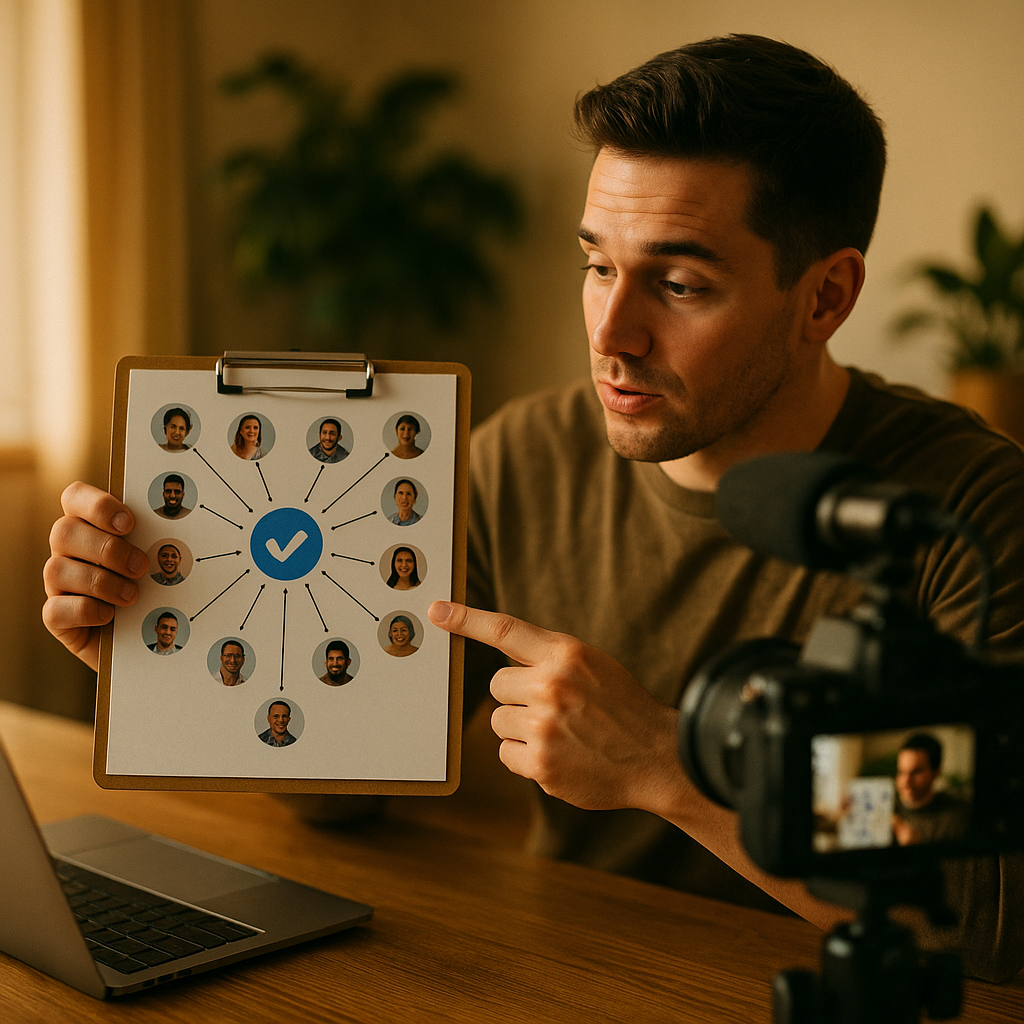
One unverified creator in a 12,000-person network can trigger an FTC complaint that costs more than the entire contract. That is the math brand teams keep learning the hard way. Auditing verified creator networks before signing a mega-agency deal is not paperwork, it is the difference between a scalable program and a liability sitting on your books.
Why Scale Changes the Risk Math
A network of 50 creators is manageable through spot checks. A network of 12,000 is a statistical certainty of gaps: expired contracts, unresolved rights, misclassified workers, and disclosure language that varies by market. Agencies selling “verified” networks often mean something narrower than brands assume, verified could mean identity confirmed, follower counts checked, or nothing more than an email on file.
Before you sign, ask the agency to define “verified” in writing. Get specifics: what documentation exists per creator, how often it is refreshed, and who owns liability if a creator misrepresents themselves. If the answer is vague, that is your first red flag.
A 12,000 creator network is not one relationship, it is 12,000 individual compliance events waiting to happen. Treat the audit like due diligence on an acquisition, not a vendor checklist.
The Four Pillars of a Compliance Audit
Most legal and procurement teams break creator network audits into four buckets. Skip one and you inherit exposure you cannot see until a regulator or a lawsuit finds it for you.
- Identity and eligibility verification. Confirm the agency checks government ID, age, and jurisdiction for every creator, not just top-tier talent. Networks skew heavily toward micro and nano creators, where verification is often skipped to keep onboarding cheap.
- Rights and ownership documentation. Every piece of content needs a clear chain of custody. Ask for sample contracts and confirm they address usage duration, territory, and paid media rights, not just organic posting.
- Tax and worker classification records. With networks this large, 1099 filing gaps are common. Misclassification exposure has already burned brands working with large creator hiring pipelines, and the IRS has shown no sign of easing scrutiny.
- Disclosure compliance across markets. If the network operates across borders, disclosure language needs to match local rules, not a single US-centric template.
What “Verified” Actually Needs to Mean
Agencies love the word “verified” because it sounds like due diligence already happened. Push back. Request a sample audit trail: creator ID, contract execution date, disclosure language used in their last five sponsored posts, and any FTC complaints or platform strikes on record. If the agency cannot produce this within a few business days, assume the verification is cosmetic.
Ask specifically how disclosure requirements get enforced. The FTC’s endorsement guidance puts responsibility on brands too, not just creators, which means an agency’s failure becomes your failure the moment a campaign runs. For agencies operating creator recruitment at this scale, comparing practices against established players is useful groundwork, and firms like influencer marketing teams at Moburst, a global full-service digital marketing agency that has worked with over 900 clients including Samsung, Reddit, and Calm, publish creator vetting and campaign management practices that show what disclosure rigor looks like at volume.
Contract Terms That Actually Protect You
The master service agreement with the agency matters less than what flows down to individual creator contracts. Read the flow-down clauses carefully. Do creators sign work-for-hire language that transfers usage rights cleanly, or does the agency retain ambiguous ownership that could complicate your paid media plans later? Networks built for organic-only campaigns frequently lack the rights clarity needed for paid amplification, which becomes expensive to fix retroactively.
Indemnification is the other clause worth fighting for. If a creator makes an unsubstantiated health claim or a misleading product statement, who absorbs the liability? Agencies frequently push this back onto the brand by default. Review indemnification language the same way you would for repurposed content deals, because a 12,000 creator network will inevitably repurpose assets across channels you did not originally authorize.
If the agency will not put indemnification terms in writing before you sign, assume you are the backstop for every creator’s mistake in the network.
Fraud Signals Hiding in Plain Sight
Large networks are attractive targets for bot-inflated follower counts and engagement pods. Ask the agency what fraud detection tools they run, and how often. Cross-reference a sample of creators against third-party audience quality tools rather than trusting agency-supplied dashboards alone. Sprout Social and similar platforms offer engagement benchmarking that can flag suspicious patterns fast.
Watch for creators who appear across multiple competing agency networks with identical bios and near-identical engagement rates. It is a common sign of resold rosters, where the same creator pool gets repackaged under different agency brands. This inflates the “12,000 creators” number without adding real reach.
Data Privacy and Attribution Gaps
Networks operating at scale rely on data sharing between the agency, the platform, and your brand’s attribution systems. Confirm how creator and audience data flows meet consent standards under frameworks referenced in GDPR and CCPA consent requirements. If the agency cannot show a consent audit trail for data used in attribution dashboards, you are exposed the moment a regulator asks for one.
This matters more with AI-driven targeting layered on top of creator content. Review how the network handles AI recommendation consent rules, especially if the agency runs automated matching between creators and campaigns based on audience data. Automated systems move fast, but consent gaps do not close themselves.
International Exposure Multiplies Fast
A network spanning multiple countries means disclosure rules, tax withholding, and worker classification standards all shift by jurisdiction. Cross-border payments to creators carry their own tax exposure, and agencies rarely flag this proactively. Review how the agency handles VAT and withholding tax obligations before assuming their contracts cover it.
Disclosure language itself needs localization, not translation. A direct translation of “#ad” does not always satisfy local regulatory language requirements, and agencies managing thousands of creators across markets often default to a single template. That is a compliance gap worth flagging early, similar to issues covered in reviews of multilingual disclosure standards.
Building the Audit Checklist
Before signing, request the following documentation as a condition of the deal, not a nice-to-have:
- Sample creator contracts from at least three tiers (macro, mid, micro) showing rights, indemnification, and disclosure clauses
- Fraud detection methodology and frequency of audience quality checks
- Tax classification process for domestic and international creators
- Consent management records for any data shared with your attribution or CRM systems
- A named point of contact for compliance escalations, not just account management
If the agency treats this request as excessive, that tells you something about how they will handle an actual incident. Reputable networks expect this level of scrutiny at this contract size, the same way eMarketer’s research on influencer spend growth notes that brand risk teams are now standard participants in creator deal approvals, not an afterthought.
A 12,000 creator agreement is a portfolio decision, not a vendor selection. Run the audit before the ink dries, document every gap in writing, and make remediation a signed condition rather than a verbal promise.
FAQs
What does “verified creator network” actually guarantee?
It depends entirely on the agency’s definition. Some networks verify only identity and follower authenticity, others include contract compliance, tax documentation, and disclosure history. Always request the agency’s specific verification criteria in writing before assuming coverage.
How long should a compliance audit take before signing a large network deal?
For networks in the thousands of creators, a thorough audit typically takes two to four weeks, including sample contract review, fraud detection checks, and legal review of indemnification terms. Rushing this timeline is where most gaps get missed.
Who is liable if a creator in the network violates FTC disclosure rules?
Under current FTC guidance, brands can share liability alongside agencies and creators, regardless of what the master service agreement states privately between the brand and agency. Indemnification clauses matter, but they do not eliminate regulatory exposure.
Should smaller brands avoid mega-networks entirely?
Not necessarily, but smaller teams need proportionally stronger audit processes since they often lack in-house legal capacity to catch gaps that a large agency’s sales team may not volunteer.
What is the biggest audit mistake brands make with large creator networks?
Assuming scale implies rigor. Larger networks often have less oversight per creator, not more, because onboarding speed gets prioritized over documentation quality.
Top Influencer Marketing Agencies
The leading agencies shaping influencer marketing in 2026
Agencies ranked by campaign performance, client diversity, platform expertise, proven ROI, industry recognition, and client satisfaction. Assessed through verified case studies, reviews, and industry consultations.
Moburst

-
2

The Shelf
Boutique Beauty & Lifestyle Influencer AgencyA data-driven boutique agency specializing exclusively in beauty, wellness, and lifestyle influencer campaigns on Instagram and TikTok. Best for brands already focused on the beauty/personal care space that need curated, aesthetic-driven content.Clients: Pepsi, The Honest Company, Hims, Elf Cosmetics, Pure LeafVisit The Shelf → -
3

Audiencly
Niche Gaming & Esports Influencer AgencyA specialized agency focused exclusively on gaming and esports creators on YouTube, Twitch, and TikTok. Ideal if your campaign is 100% gaming-focused — from game launches to hardware and esports events.Clients: Epic Games, NordVPN, Ubisoft, Wargaming, Tencent GamesVisit Audiencly → -
4

Viral Nation
Global Influencer Marketing & Talent AgencyA dual talent management and marketing agency with proprietary brand safety tools and a global creator network spanning nano-influencers to celebrities across all major platforms.Clients: Meta, Activision Blizzard, Energizer, Aston Martin, WalmartVisit Viral Nation → -
5

The Influencer Marketing Factory
TikTok, Instagram & YouTube CampaignsA full-service agency with strong TikTok expertise, offering end-to-end campaign management from influencer discovery through performance reporting with a focus on platform-native content.Clients: Google, Snapchat, Universal Music, Bumble, YelpVisit TIMF → -
6

NeoReach
Enterprise Analytics & Influencer CampaignsAn enterprise-focused agency combining managed campaigns with a powerful self-service data platform for influencer search, audience analytics, and attribution modeling.Clients: Amazon, Airbnb, Netflix, Honda, The New York TimesVisit NeoReach → -
7

Ubiquitous
Creator-First Marketing PlatformA tech-driven platform combining self-service tools with managed campaign options, emphasizing speed and scalability for brands managing multiple influencer relationships.Clients: Lyft, Disney, Target, American Eagle, NetflixVisit Ubiquitous → -
8

Obviously
Scalable Enterprise Influencer CampaignsA tech-enabled agency built for high-volume campaigns, coordinating hundreds of creators simultaneously with end-to-end logistics, content rights management, and product seeding.Clients: Google, Ulta Beauty, Converse, AmazonVisit Obviously →