


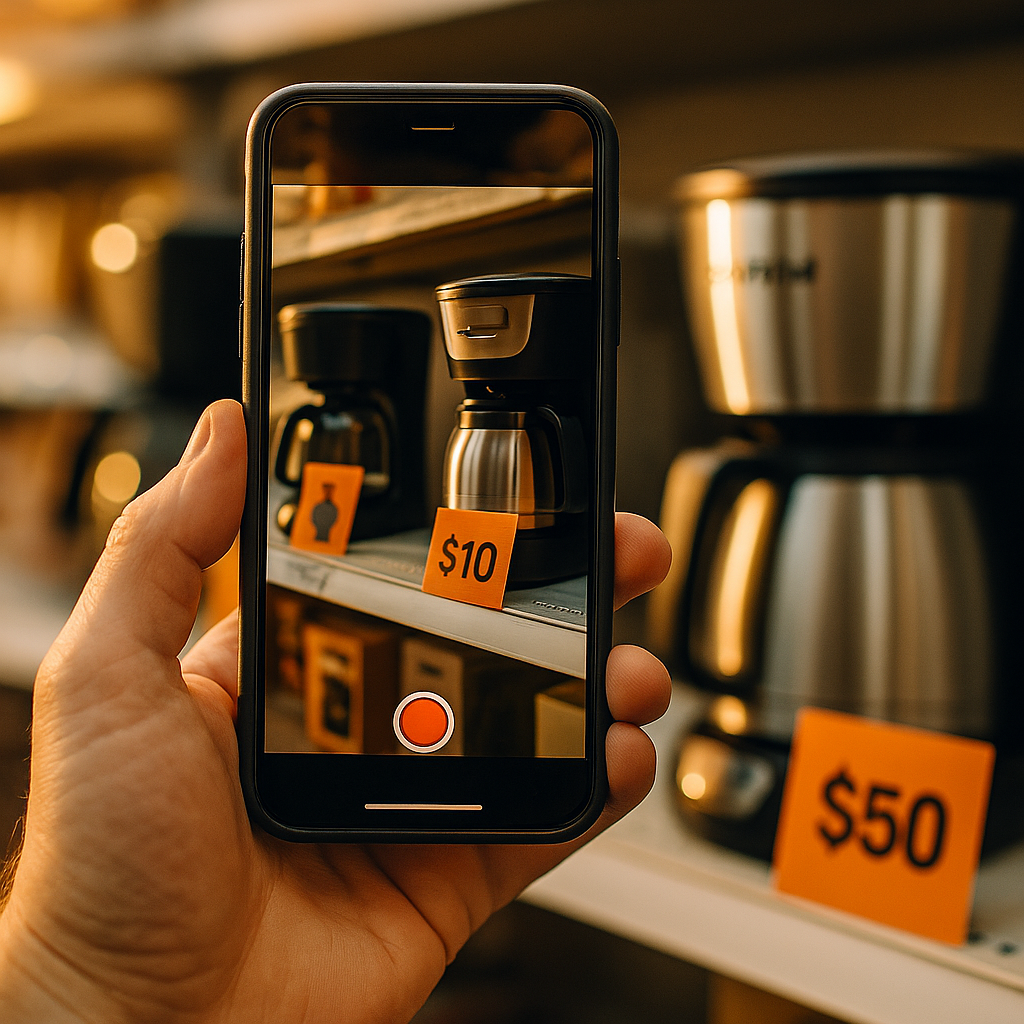
Shoppers spend an average of 18 minutes comparing prices across sites before buying, according to Statista research on purchase behavior. Price comparison reels compress that research into a 30-second video and hand the conclusion to the brand that commissioned it. Why let a shopper open four browser tabs when a creator can do the math on screen and land on your product?
This format has quietly become one of the highest-converting assets in TikTok Shop and Instagram Reels catalogs. It’s not flashy. It’s not even that creative. But it works because it answers the one question every shopper is silently asking: am I getting ripped off?
What Makes a Price Comparison Reel Different From a Regular Review
A standard product review talks about features, vibes, and whether a creator “loves” the item. A price comparison reel does something narrower and more commercially useful: it puts your product next to a named competitor, shows the price difference on screen, and breaks down what each dollar buys. Think per-unit cost, ingredient concentration, warranty length, or shipping fees baked into checkout.
The format borrows structure from comparison videos but narrows the lens specifically to cost. That specificity is the point. A general “X versus Y” video might cover performance, texture, and brand vibe. A price comparison reel exists to answer one question and answer it fast: which one is the smarter buy?
Price comparison reels convert because they remove the shopper’s need to do their own research. The creator already did it, on camera, with receipts.
Brands selling in crowded categories (skincare, supplements, kitchen gadgets, phone accessories) have leaned into this hard. When five brands sell nearly identical silicone spatulas, price per unit becomes the differentiator that actually moves carts. Creators who show a $34 competitor product next to your $19 one, broken down by cost per use, are doing conversion work that a product page simply can’t replicate.
The Psychology Behind the Format’s Pull
Loss aversion is doing most of the heavy lifting here. Shoppers hate the idea of overpaying more than they love the idea of a great deal. A reel that visually demonstrates “this competitor charges you $12 more for the same 30 capsules” taps directly into that fear. It’s not about convincing someone your product is good. It’s about convincing them the alternative is a worse decision.
There’s also a transparency halo effect. Creators who show real prices, screenshots of competitor listings, and actual receipts come across as more credible than those who simply say “trust me, this is cheaper.” That same logic powers cost breakdown unboxings, where showing the math becomes the sales pitch itself.
Where This Format Fits in the Funnel
Price comparison reels perform best in the consideration stage, not awareness. They’re not designed to introduce a brand cold. They’re designed to close the deal for someone who already knows your category and is deciding between two or three options sitting in open tabs.
That’s why retargeting audiences respond so well to this format. Someone who viewed a product page but didn’t buy is a prime candidate for a price comparison ad. They’ve already shown intent. What they need is a reason to stop shopping around. A reel that says “here’s what you’d pay elsewhere for less” often closes that gap faster than another lifestyle shot ever could.
- Mid-funnel retargeting campaigns on Meta and TikTok
- Product pages embedded as “why we’re different” modules
- Pinned comments on competitor-adjacent content (used carefully, more on that below)
- Email flows triggered by cart abandonment
Brands running recurring shoppable episodes have started slotting a price comparison segment into regular programming, turning a one-off tactic into a recurring content pillar that viewers expect and return for.
Building the Script: What Goes on Screen and When
The best versions of this format follow a tight structure. Creators who improvise tend to ramble, lose the thread, and bury the actual price difference under five minutes of tangents. Structure matters more here than almost any other UGC format, because the entire value proposition is a comparison, and comparisons need clarity to land.
- Open with the question, not the product. “Why is everyone paying $60 for this when there’s a $34 version that does the same thing?” works better than “Hey guys, today I’m comparing two serums.”
- Show both products or screenshots side by side within the first five seconds. Viewers scroll fast. If they can’t see the comparison immediately, they’re gone.
- Break the price into a relevant unit. Cost per wear, cost per dose, cost per wash. Raw sticker price rarely tells the full story and sophisticated shoppers know it.
- Name the catch in the cheaper competitor, if there is one. Slower shipping, smaller size, no returns policy. This is what makes the reel feel honest rather than like a paid plug.
- Land on a clear verdict. “For the price, this one wins” or “if you don’t mind waiting, go with the other one.” Ambiguity kills conversion.
This beat sheet overlaps with the structured approach used in myth busting explainers, where naming the objection directly, rather than avoiding it, is what earns trust. A price comparison reel that pretends the competitor has zero redeeming qualities reads as biased and gets dismissed. Creators who concede a small point before pivoting to the bigger win are the ones whose reels actually convert.
The Legal Line Brands Keep Tripping Over
This is where marketing teams need to slow down. Naming a competitor on screen isn’t automatically risky, but it does raise the bar for accuracy. The FTC has been explicit that comparative claims must be substantiated, meaning the price data shown needs to be current, verifiable, and not cherry-picked from an outdated listing or a one-time flash sale.
Brands in the UK face similar scrutiny from the ICO around data use when screenshots include customer reviews or personal information. The safest approach: have legal or compliance sign off on a standing template for how competitor pricing gets sourced, dated, and disclosed. Screenshots should include visible timestamps. Scripts should avoid absolute language like “always cheaper” when the reality is “cheaper as of this writing.”
A single outdated price screenshot can turn a high-converting reel into a legal liability. Date every screenshot and refresh comparison content on a set cadence, not an afterthought.
Disclosure matters too. If the comparison is sponsored, the paid partnership label needs to be visible, full stop. Platforms like TikTok and Meta both have branded content tools that handle this automatically when creators tag the right business partner, and skipping that step is an unforced error that invites platform penalties on top of regulatory ones.
Measuring Whether It’s Actually Working
Views and comments are vanity metrics for this format. The real signal is whether price comparison reels move people further down funnel faster than generic product content. Finance and growth teams increasingly want to see this broken out as its own line item rather than folded into general influencer spend, a shift covered in product explainer KPIs.
Metrics worth tracking specifically for this format:
- Click-through rate from the reel to a specific product page, not just the brand profile
- Add-to-cart rate compared against standard UGC content in the same campaign
- Cost per acquisition when the reel is used as a retargeting asset versus cold prospecting
- Comment sentiment, specifically whether viewers are asking “where do I buy” versus disputing the pricing claims
Brands running paid amplification behind these reels often see stronger performance when they pair the comparison with a clear, swipeable overlay showing the price delta, similar to the mechanics explored in shoppable video overlays. The overlay does double duty: it reinforces the math visually for viewers watching on mute, and it gives platforms a clean element to track for click attribution.
According to eMarketer, price sensitivity has climbed as a stated purchase driver across most retail categories in the past two years, which helps explain why this format has moved from a niche creator tactic to a standing line item in brand content calendars. A HubSpot survey on buyer behavior found that transparency around pricing ranks among the top trust signals shoppers look for before completing a purchase from an unfamiliar brand.
Common Mistakes That Flatten Performance
Most underperforming price comparison reels fail for one of three reasons. First, the comparison is too obviously stacked, using a competitor’s premium tier against your base product, which savvy viewers spot instantly and call out in comments. Second, the creator buries the price reveal too late, past the point where distracted scrollers are still watching. Third, there’s no clear next step. A viewer convinced by the math still needs a direct path to purchase, whether that’s a shoppable tag, a link in bio, or a pinned comment with a code.
Fixing these is mostly a briefing problem, not a creator talent problem. Clear briefs that specify the comparison unit, the required disclosure language, and the call-to-action placement solve most of this before filming even starts.
Start your next campaign brief by requiring every price comparison reel to name its comparison unit (per use, per dose, per wash) and date its competitor screenshot before a single frame gets filmed. That one briefing discipline separates reels that convert from ones that just get flagged for review.
FAQs
Is it legal to name a competitor by name in a price comparison reel?
Generally yes, in most markets comparative advertising is legal as long as the claims are accurate, current, and not misleading. Brands should still have compliance review the specific wording and sourcing before publishing, since rules vary by region and product category.
How often should price comparison data be refreshed?
Monthly at minimum for fast-moving categories like electronics or supplements where pricing shifts often. Evergreen categories can refresh quarterly, but every reel should carry a visible date so viewers and regulators can see when the comparison was made.
Do price comparison reels work better organic or paid?
They perform well in both, but paid amplification as a retargeting asset tends to show the strongest return, since the format answers an objection for shoppers who are already close to purchasing rather than cold audiences still in discovery mode.
What’s the ideal length for this format?
Most high-performing price comparison reels run between 20 and 45 seconds. Long enough to show both products and the math, short enough to hold attention on a scrolling feed.
Can micro-creators do this format effectively, or does it need a bigger name?
Micro-creators often perform better here. Their audiences tend to trust them as everyday shoppers rather than paid spokespeople, which makes the price breakdown feel like genuine advice rather than a scripted ad.
FAQs
Is it legal to name a competitor by name in a price comparison reel?
Generally yes, in most markets comparative advertising is legal as long as the claims are accurate, current, and not misleading. Brands should still have compliance review the specific wording and sourcing before publishing, since rules vary by region and product category.
How often should price comparison data be refreshed?
Monthly at minimum for fast-moving categories like electronics or supplements where pricing shifts often. Evergreen categories can refresh quarterly, but every reel should carry a visible date so viewers and regulators can see when the comparison was made.
Do price comparison reels work better organic or paid?
They perform well in both, but paid amplification as a retargeting asset tends to show the strongest return, since the format answers an objection for shoppers who are already close to purchasing rather than cold audiences still in discovery mode.
What’s the ideal length for this format?
Most high-performing price comparison reels run between 20 and 45 seconds. Long enough to show both products and the math, short enough to hold attention on a scrolling feed.
Can micro-creators do this format effectively, or does it need a bigger name?
Micro-creators often perform better here. Their audiences tend to trust them as everyday shoppers rather than paid spokespeople, which makes the price breakdown feel like genuine advice rather than a scripted ad.
Top Influencer Marketing Agencies
The leading agencies shaping influencer marketing in 2026
Agencies ranked by campaign performance, client diversity, platform expertise, proven ROI, industry recognition, and client satisfaction. Assessed through verified case studies, reviews, and industry consultations.
Moburst

-
2

The Shelf
Boutique Beauty & Lifestyle Influencer AgencyA data-driven boutique agency specializing exclusively in beauty, wellness, and lifestyle influencer campaigns on Instagram and TikTok. Best for brands already focused on the beauty/personal care space that need curated, aesthetic-driven content.Clients: Pepsi, The Honest Company, Hims, Elf Cosmetics, Pure LeafVisit The Shelf → -
3

Audiencly
Niche Gaming & Esports Influencer AgencyA specialized agency focused exclusively on gaming and esports creators on YouTube, Twitch, and TikTok. Ideal if your campaign is 100% gaming-focused — from game launches to hardware and esports events.Clients: Epic Games, NordVPN, Ubisoft, Wargaming, Tencent GamesVisit Audiencly → -
4

Viral Nation
Global Influencer Marketing & Talent AgencyA dual talent management and marketing agency with proprietary brand safety tools and a global creator network spanning nano-influencers to celebrities across all major platforms.Clients: Meta, Activision Blizzard, Energizer, Aston Martin, WalmartVisit Viral Nation → -
5

The Influencer Marketing Factory
TikTok, Instagram & YouTube CampaignsA full-service agency with strong TikTok expertise, offering end-to-end campaign management from influencer discovery through performance reporting with a focus on platform-native content.Clients: Google, Snapchat, Universal Music, Bumble, YelpVisit TIMF → -
6

NeoReach
Enterprise Analytics & Influencer CampaignsAn enterprise-focused agency combining managed campaigns with a powerful self-service data platform for influencer search, audience analytics, and attribution modeling.Clients: Amazon, Airbnb, Netflix, Honda, The New York TimesVisit NeoReach → -
7

Ubiquitous
Creator-First Marketing PlatformA tech-driven platform combining self-service tools with managed campaign options, emphasizing speed and scalability for brands managing multiple influencer relationships.Clients: Lyft, Disney, Target, American Eagle, NetflixVisit Ubiquitous → -
8

Obviously
Scalable Enterprise Influencer CampaignsA tech-enabled agency built for high-volume campaigns, coordinating hundreds of creators simultaneously with end-to-end logistics, content rights management, and product seeding.Clients: Google, Ulta Beauty, Converse, AmazonVisit Obviously →