


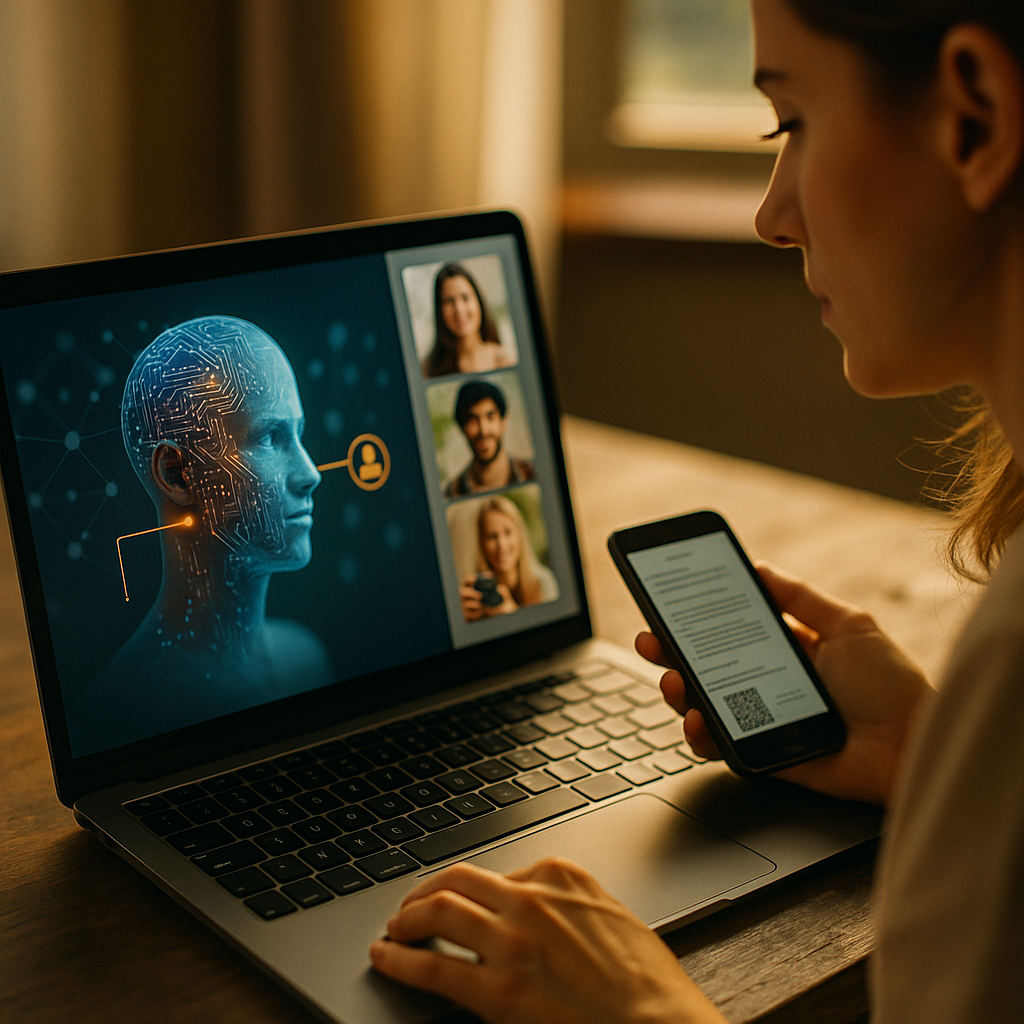
Sixty-one percent of brands using AI-driven influencer discovery tools have never reviewed those platforms’ data sourcing agreements, according to recent industry surveys of marketing operations teams. That’s not a compliance gap. That’s a liability time bomb sitting inside your martech stack. If you’re running creator-matching software to find talent, score audiences, or predict campaign fit, you’re also inheriting whatever consent failures live upstream of that platform’s algorithm. Auditing AI creator-matching platforms isn’t optional anymore. It’s the new cost of doing business.
Why Creator-Matching Tools Are a Hidden Compliance Blind Spot
AI creator-matching platforms promise speed. Feed in a brief, get a ranked list of creators whose audience demographics, engagement patterns, and brand affinity scores supposedly align with your campaign. It’s seductive. It’s also opaque.
Here’s the uncomfortable truth: most of these platforms scrape, license, or infer data from sources that creators never explicitly agreed to. Follower demographics get pulled from third-party analytics APIs. Sentiment scores get built from scraped comment sections. Audience overlap data often comes from cross-platform identity resolution that creators have zero visibility into, let alone control over. Sound familiar? It should. We’ve seen similar dynamics play out in cross device identity resolution practices, where brands discovered their vendors were stitching together consumer profiles without proper consent trails.
When a brand licenses access to one of these platforms, it’s effectively co-signing every data practice baked into that tool’s backend. If a regulator or plaintiff’s attorney comes knocking, “our vendor handled that” is not a defense. It’s an admission.
If you can’t trace a creator-matching platform’s data back to a documented, auditable consent event, you’re not licensing a tool. You’re licensing exposure.
What an Actual Audit Should Cover
A real audit isn’t a vendor questionnaire you file and forget. It’s a structured review that answers specific, hard questions.
- Data provenance. Where does each data category (demographics, engagement, sentiment, audience overlap) originate? Can the vendor name the source, not just describe it vaguely as “aggregated public data”?
- Consent documentation. Does the platform hold documented consent from creators for the specific uses it enables, including resale to brands and training of matching algorithms?
- Retention and deletion. What happens when a creator requests erasure? Does the platform actually purge records, or just flag them inactive while retaining the underlying training data?
- Model training inputs. Was creator content or audience data used to train the matching model itself? If so, under what license, and does that license survive a creator’s platform departure?
- Subprocessor chains. How many third parties touch the data before it reaches the matching algorithm? Each hop is another point of failure.
Most procurement teams stop at “does this vendor have a privacy policy.” That’s table stakes, not an audit. You need contractual proof, not marketing copy.
The Consent Gap Nobody Talks About: Inferred Data
Explicit consent gaps get attention. Inferred data gaps don’t, and they’re arguably worse. AI matching platforms increasingly build “lookalike creator” profiles using inference, predicting a creator’s brand affinity, political lean, or purchase intent based on patterns rather than stated data.
No creator consented to being profiled this way. There’s no checkbox for “we will infer your politics from your hashtag usage.” Regulators are starting to catch on. Frameworks addressing AI inference rules are already reshaping how brands can legally use predictive creator targeting in some markets, and that regulatory posture is spreading. Treat inference as a distinct audit category, not a subset of regular data collection.
Where the Legal Exposure Actually Lands
Brands tend to assume liability sits with the platform vendor. It doesn’t, not entirely. Regulators and courts increasingly hold the party that benefits from the data (you, the brand running the campaign) jointly accountable for how it was obtained.
This mirrors what’s happened with broader platform accountability. The FTC’s growing interest in how digital tools are architected, not just how they’re marketed, shows up clearly in FTC platform design scrutiny, which is forcing brands to audit the tools they license, not just the creators they hire. The same logic extends to matching platforms. If the FTC can scrutinize a shopping app’s design for dark patterns, it can absolutely scrutinize a creator-matching tool’s data sourcing for consent failures.
Internationally, the exposure compounds. South Korea’s regulatory environment has moved aggressively on advertising accountability, and the trajectory outlined in South Korea FTC daily fines signals that APAC regulators won’t wait for a platform’s home country to act first. If your matching tool pulls APAC creator data without local consent standards, you’re exposed the moment you run a campaign in that region, regardless of where the vendor is headquartered.
Biometric and Likeness Risk Inside Matching Algorithms
Some AI matching platforms don’t just score engagement, they analyze facial features, voice patterns, or visual style to predict brand fit or detect AI-generated content. That’s biometric processing, and it carries its own consent regime in multiple jurisdictions.
This is the same terrain covered in AI altered UGC biometric laws, where class action exposure stems from processing a person’s likeness or voice without documented consent. If your matching platform runs facial recognition or voice analysis on creator content to build its scoring model, ask directly: whose consent covers that processing, and does it extend to your brand’s downstream use of the match?
Building the Audit Into Procurement, Not Just Legal Review
Here’s where most brands get the sequencing wrong. They sign the vendor contract first, then loop in legal for a compliance review, then discover the gaps after the platform is already embedded in campaign workflows. Reverse that order.
Procurement teams should require a data provenance disclosure before any contract is finalized, not as an addendum after. Build it into the RFP. Ask vendors to walk through, in writing, exactly how a single creator’s profile gets built, from initial data capture through to the match score your team sees on screen. If they can’t produce that trail, that’s your answer.
This operational discipline mirrors what’s already happening with contract management at scale. The approach described in nano creator contracts at scale shows how brands are building systematic compliance checkpoints into high-volume creator relationships rather than treating each one as a one-off. Apply the same systemization to vendor audits: a repeatable checklist, not a one-time legal memo that gets shelved.
A platform that can’t produce a documented consent trail for its training data isn’t a shortcut. It’s a liability you’re renting by the month.
What to Put in the Contract
- Indemnification clauses specific to data sourcing and consent failures, not generic liability boilerplate.
- Audit rights allowing your team (or a third party) to review data provenance documentation on a recurring basis, not just at signing.
- Breach notification timelines that match or exceed what you’d require from a direct creator CRM vendor, following the kind of urgency outlined in creator CRM breaches and 72 hour notification standards.
- Explicit language on whether creator data used in matching can also train the vendor’s broader AI models, and whether that use requires separate consent.
None of this is exotic. It’s standard vendor risk management applied to a category that’s grown faster than the legal frameworks meant to govern it.
Practical Red Flags During Vendor Evaluation
You don’t need a forensic data scientist to spot the warning signs. A few patterns should trigger immediate scrutiny.
Vendors who describe their data sourcing in vague, aggregated terms (“industry-standard social listening,” “publicly available engagement metrics”) without naming specific APIs or licensing agreements are usually hiding something, or simply don’t know themselves. Either way, that’s a problem.
Watch for platforms that can’t explain what happens when a creator deactivates their account or requests deletion. If the matching algorithm’s training set still contains their data indefinitely, you’re looking at a platform built on sand. Industry benchmarking from firms like eMarketer and Statista increasingly tracks data governance maturity as a differentiator among martech vendors, which tells you the market is starting to price this risk in. Your procurement process should too.
One more tell: if a vendor resists a walkthrough of their consent documentation under NDA, that’s not a confidentiality concern, it’s an evasion tactic. Legitimate platforms with clean data sourcing are generally eager to demonstrate it, because it’s a competitive advantage in a market that’s getting more scrutinized by the month.
The Upside of Doing This Right
Auditing these platforms isn’t purely defensive. Brands that can demonstrate rigorous vendor vetting gain leverage in negotiations, reduce insurance premiums tied to data liability, and build a reputational moat as regulators tighten disclosure requirements across EU AI transparency rules and similar frameworks emerging elsewhere. Clean data practices are becoming a selling point, not just a cost center. Resources like HubSpot’s marketing operations guides and Sprout Social’s platform research can help benchmark what “good” vendor governance looks like as you build internal standards.
Frequently Asked Questions
FAQs
What exactly is an AI creator-matching platform audit?
It’s a structured review of how a matching platform sources, consents to, retains, and uses creator and audience data, covering everything from original data capture to how the match score your team sees was generated.
Who is liable if a creator-matching vendor used data without proper consent?
Both the vendor and the brand can face exposure. Regulators and courts increasingly view the brand benefiting from the data as jointly accountable, especially if due diligence on the vendor’s practices was never performed.
How often should brands re-audit their creator-matching vendors?
At minimum annually, and immediately after any major platform feature update, data source change, or regulatory shift in a market where the brand runs campaigns.
Does GDPR or similar privacy law apply to AI creator-matching tools?
Yes, if the platform processes personal data of creators or audiences in regulated jurisdictions, including inferred data used for scoring or recommendation purposes, standard privacy law obligations typically apply.
What’s the single biggest red flag during vendor evaluation?
Vague, non-specific answers about data sourcing. If a vendor can’t name their data sources or explain consent mechanisms in concrete terms, assume the gap exists until proven otherwise.
Start with one platform, pull its data sourcing documentation this week, and if your vendor can’t produce a clean consent trail within five business days, that’s your answer on renewal.
Top Influencer Marketing Agencies
The leading agencies shaping influencer marketing in 2026
Agencies ranked by campaign performance, client diversity, platform expertise, proven ROI, industry recognition, and client satisfaction. Assessed through verified case studies, reviews, and industry consultations.
Moburst

-
2

The Shelf
Boutique Beauty & Lifestyle Influencer AgencyA data-driven boutique agency specializing exclusively in beauty, wellness, and lifestyle influencer campaigns on Instagram and TikTok. Best for brands already focused on the beauty/personal care space that need curated, aesthetic-driven content.Clients: Pepsi, The Honest Company, Hims, Elf Cosmetics, Pure LeafVisit The Shelf → -
3

Audiencly
Niche Gaming & Esports Influencer AgencyA specialized agency focused exclusively on gaming and esports creators on YouTube, Twitch, and TikTok. Ideal if your campaign is 100% gaming-focused — from game launches to hardware and esports events.Clients: Epic Games, NordVPN, Ubisoft, Wargaming, Tencent GamesVisit Audiencly → -
4

Viral Nation
Global Influencer Marketing & Talent AgencyA dual talent management and marketing agency with proprietary brand safety tools and a global creator network spanning nano-influencers to celebrities across all major platforms.Clients: Meta, Activision Blizzard, Energizer, Aston Martin, WalmartVisit Viral Nation → -
5

The Influencer Marketing Factory
TikTok, Instagram & YouTube CampaignsA full-service agency with strong TikTok expertise, offering end-to-end campaign management from influencer discovery through performance reporting with a focus on platform-native content.Clients: Google, Snapchat, Universal Music, Bumble, YelpVisit TIMF → -
6

NeoReach
Enterprise Analytics & Influencer CampaignsAn enterprise-focused agency combining managed campaigns with a powerful self-service data platform for influencer search, audience analytics, and attribution modeling.Clients: Amazon, Airbnb, Netflix, Honda, The New York TimesVisit NeoReach → -
7

Ubiquitous
Creator-First Marketing PlatformA tech-driven platform combining self-service tools with managed campaign options, emphasizing speed and scalability for brands managing multiple influencer relationships.Clients: Lyft, Disney, Target, American Eagle, NetflixVisit Ubiquitous → -
8

Obviously
Scalable Enterprise Influencer CampaignsA tech-enabled agency built for high-volume campaigns, coordinating hundreds of creators simultaneously with end-to-end logistics, content rights management, and product seeding.Clients: Google, Ulta Beauty, Converse, AmazonVisit Obviously →