


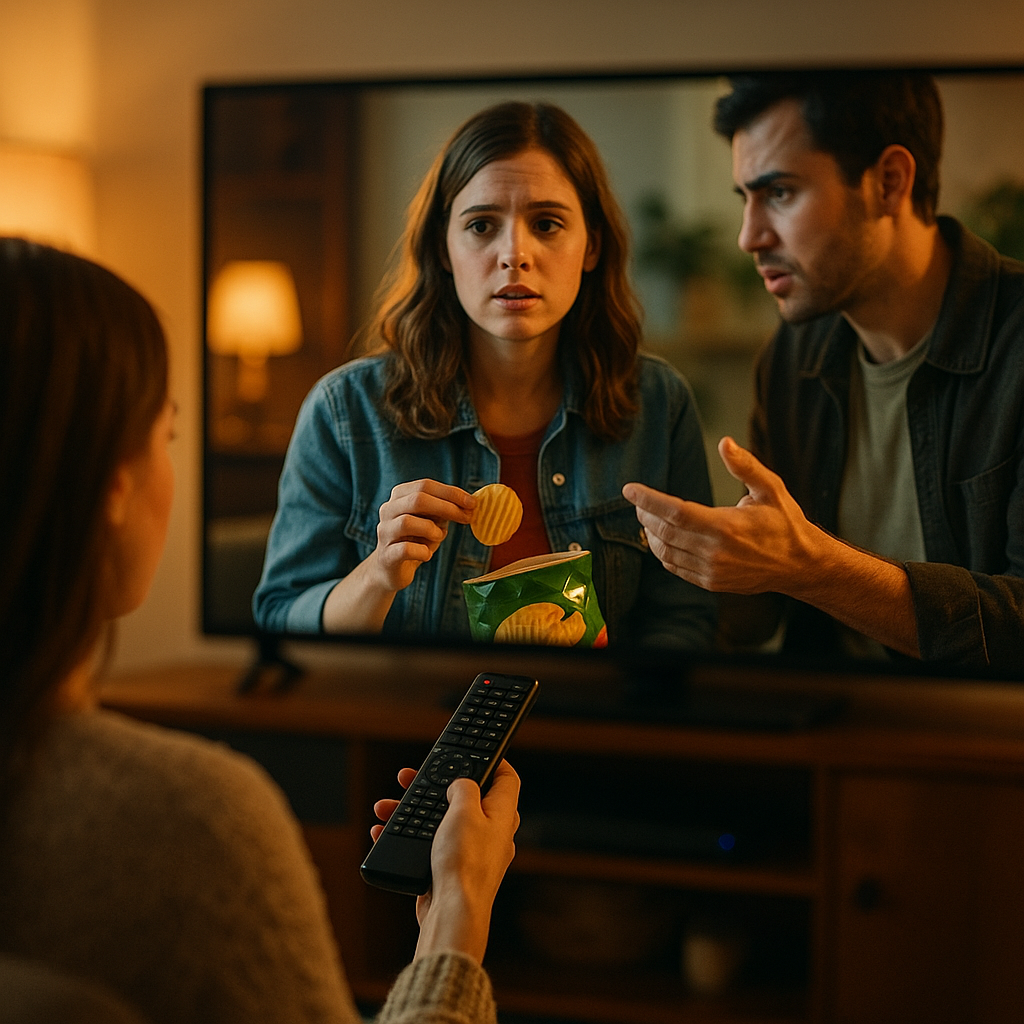
Quibi raised $1.75 billion and died in six months. Meanwhile, vertical mini drama apps like ReelShort and DramaBox are projected to generate over $10 billion in global revenue within the next few years, according to industry estimates circulating among app analytics firms. The difference wasn’t budget. It was format. If you’re still scripting one-off branded videos while competitors build serialized worlds that audiences check daily, you’re leaving retention on the table.
Why One-Off Content Can’t Compete With Episodic Habit
A single branded video gets a view, maybe a share, then it’s gone. A vertical mini drama gets a subscriber. That’s the fundamental shift brands need to internalize before greenlighting a serialized content play.
Mini dramas borrow structure from telenovelas and soap operas, but they’re built for 60 to 180 second vertical episodes consumed on phones between meetings, on commutes, in bed at midnight. The hook isn’t production value. It’s narrative tension that refuses to resolve. Each episode ends on a cliffhanger engineered to make skipping feel physically uncomfortable.
For brands, this isn’t just a content format. It’s a retention mechanism disguised as entertainment. And retention, not reach, is what actually moves lifetime value.
A brand that scripts for the next episode, not just the current one, is building an owned audience asset instead of renting attention for thirty seconds at a time.
The Anatomy of a Scripted Episode That Earns a Replay
Every successful mini drama episode follows a tight internal structure, regardless of genre. Strip away the melodrama and you’ll find a repeatable skeleton:
- Cold open conflict: No preamble. The first three seconds drop viewers mid-argument, mid-reveal, or mid-decision.
- Escalation beat: A new piece of information raises the stakes before the midpoint.
- Brand integration moment: The product or service appears as a plot device, not an ad break. Think a packaging reveal that solves a character’s problem, not a voiceover pitch.
- Unresolved cliffhanger: The episode ends on a question, not an answer. A slammed door, a phone ringing, a text message half-read.
This structure mirrors what works in serialized mini drama cliffhanger scripting, where the cliffhanger isn’t an afterthought. It’s the entire architecture the episode is built around.
Where Brand Integration Actually Belongs
The biggest mistake brands make porting this format from entertainment to marketing is treating the brand moment like a commercial break. It breaks immersion and tanks completion rates. Instead, the product needs to function as a plot mechanism: the skincare line that reveals a character’s secret, the fintech app that resolves a family dispute over money, the software platform that saves a struggling founder’s pitch meeting.
This is the same logic behind POV purchase decision scripting, where the internal monologue does the selling rather than an overt pitch. Mini dramas just stretch that monologue across multiple episodes and multiple characters.
Casting and Character Arcs: The Part Brands Underinvest In
Here’s an uncomfortable truth: most brand-produced mini dramas fail not because the hooks are weak, but because the characters are forgettable. Viewers don’t return for plot alone. They return because they’re invested in a person.
That means casting decisions matter as much as script decisions. A creator with strong parasocial pull, someone your audience already feels they know, can carry a weak episode. A stiff, overly polished actor can sink a strong one. This is why many brands are blending creator talent with scripted drama formats rather than hiring traditional actors exclusively.
Character consistency across episodes also demands a bible, not just a script. Define motivations, speech patterns, and relationship dynamics before episode one films. Writers rotating in and out of a series without a shared reference document is how continuity errors tank credibility fast.
Episode Length and Release Cadence: What the Data Actually Supports
Vertical drama apps typically release in rapid bursts, sometimes daily, to exploit binge psychology. Brands don’t need to match that cadence, but they do need regularity. Sporadic posting kills the habit loop before it forms.
A realistic cadence for most brand programs:
- Two to three episodes per week during the launch arc (first four to six episodes)
- Weekly release once the core audience has formed, to sustain anticipation without production burnout
- A finale or season break scripted deliberately, with a clear reopening hook for season two
Episode length should stay under 90 seconds for most platforms. TikTok’s advertising guidance and Meta’s creative best practices both point toward shorter completion windows driving stronger algorithmic distribution, and mini dramas are no exception. Longer isn’t more immersive. It’s more skippable.
Measuring Success: Retention Metrics Over Vanity Metrics
If your reporting dashboard still leads with views, you’re measuring the wrong thing. The metrics that actually indicate whether a serialized format is working:
- Episode-over-episode drop-off rate: The single most important number. A healthy series loses less than 15-20% of viewers between consecutive episodes.
- Return visit rate: Are viewers coming back organically, or only through paid retargeting?
- Completion rate per episode: Not just views, but percentage who watch to the cliffhanger.
- Comment sentiment tied to plot speculation: Audiences theorizing about what happens next is a strong qualitative signal the format is working.
Platforms like Sprout Social and native analytics suites can track most of this, but brands need to build custom dashboards specifically for serialized retention rather than relying on standard campaign reports built for single-asset performance.
Treat episode drop-off like churn. A 25% drop between episode two and three isn’t a content problem to shrug off. It’s a leading indicator your whole season will underperform.
Compliance and Disclosure Across a Multi-Episode Arc
Serialized branded content creates a unique compliance wrinkle most marketers haven’t faced before: disclosure fatigue. Viewers who binge five episodes back to back may only see the sponsorship disclaimer on episode one, which creates regulatory exposure.
The FTC’s endorsement guidance doesn’t explicitly address serialized formats yet, but the underlying principle holds: disclosure needs to be clear and conspicuous in each piece of content a consumer might encounter independently. That means every episode needs its own disclosure, not just the series premiere. Brands in the UK should also review guidance from the ICO on data handling if the series includes any interactive or quiz-based elements that collect viewer information.
This is the same discipline required in comparison format scripting that passes FTC review, where repeated exposure without renewed disclosure is a common compliance gap legal teams flag late in production.
Writers’ Room Structure for Brand Teams
Most internal marketing teams aren’t staffed for serialized writing. A lone copywriter who handles single ad scripts will burn out fast trying to maintain plot continuity across a ten-episode arc. Brands serious about this format are building small writers’ rooms, often two to three writers plus a story editor who tracks continuity, similar in structure to how agencies approach decision-led long form storytelling arcs.
Outsourcing to agencies with entertainment writing backgrounds is increasingly common, since the skill set (plotting, pacing, cliffhanger construction) overlaps more with television writing than traditional ad copywriting. Don’t assume your best ad copywriter can pivot to this without support.
What Genre Actually Converts for B2C Versus B2B
Romance and workplace drama dominate consumer-facing mini dramas, which makes sense for beauty, fashion, and lifestyle brands. But B2B hasn’t been left out entirely. Founder rivalry arcs, startup-versus-corporate-incumbent storylines, and “will the deal close” tension have found traction with software and fintech brands experimenting with the format on LinkedIn and YouTube Shorts.
The throughline across genres: stakes need to feel personal, even when the product is enterprise software. A character arc around a founder’s credibility, echoed in approaches like founder-led long form scripting, translates surprisingly well into episodic tension when the writers resist the urge to over-explain the product.
Whatever genre you choose, resist mixing tonal registers mid-series. Audiences who signed up for workplace comedy will bounce hard if episode four suddenly turns into a hard sales pitch.
Common Mistakes That Kill a Series Before Episode Three
- Front-loading brand messaging: If episode one feels like an ad, there won’t be an episode two audience.
- Inconsistent character voice: Swapping writers without a shared bible confuses returning viewers fast.
- Weak cliffhangers: A cliffhanger that resolves too easily, or doesn’t raise real stakes, trains viewers to stop caring.
- No season-end plan: Dramas that just stop, rather than concluding or teasing a next season, waste the habit loop they spent weeks building.
A format like clippable content design works because individual moments are shareable on their own. Mini dramas need the opposite discipline: each clip should feel incomplete without the next one.
Putting It Together: A Minimum Viable Pilot
Brands don’t need a ten-episode season to test this format. A four-episode pilot arc, scripted with a clear beginning, escalation, and cliffhanger-driven finale, is enough to validate whether the audience retention curve justifies a full season investment. Track drop-off after episode two closely. That number alone will tell you whether to greenlight season one or go back to the writers’ room.
Frequently Asked Questions
FAQs
How long should a branded vertical mini drama episode be?
Most successful episodes run between 60 and 90 seconds. Shorter episodes tend to perform better on algorithmic distribution and keep completion rates high enough to justify the next release.
How many episodes does a brand need before measuring success?
A four to six episode pilot arc is usually enough to generate a reliable drop-off curve. Watch the retention rate between episodes two and three closely, since that’s typically where weak series lose their audience.
Do branded mini dramas require FTC disclosure on every episode?
Yes. Disclosure should appear on each episode independently, not just the series premiere, since many viewers encounter episodes out of sequence or skip the first one entirely.
Can B2B brands use the mini drama format effectively?
Yes, though genre selection matters more than for consumer brands. Workplace tension, founder rivalry, and high-stakes deal narratives tend to translate well when the product stays secondary to character stakes.
What’s the biggest mistake brands make with this format?
Treating the brand integration like a traditional ad placement instead of a plot device. Viewers disengage fast when a story stops to pitch rather than letting the product solve a character’s problem naturally.
Start small: script a four-episode pilot, protect the cliffhanger structure at all costs, and let the drop-off data between episodes two and three tell you whether season one is worth greenlighting.
Top Influencer Marketing Agencies
The leading agencies shaping influencer marketing in 2026
Agencies ranked by campaign performance, client diversity, platform expertise, proven ROI, industry recognition, and client satisfaction. Assessed through verified case studies, reviews, and industry consultations.
Moburst

-
2

The Shelf
Boutique Beauty & Lifestyle Influencer AgencyA data-driven boutique agency specializing exclusively in beauty, wellness, and lifestyle influencer campaigns on Instagram and TikTok. Best for brands already focused on the beauty/personal care space that need curated, aesthetic-driven content.Clients: Pepsi, The Honest Company, Hims, Elf Cosmetics, Pure LeafVisit The Shelf → -
3

Audiencly
Niche Gaming & Esports Influencer AgencyA specialized agency focused exclusively on gaming and esports creators on YouTube, Twitch, and TikTok. Ideal if your campaign is 100% gaming-focused — from game launches to hardware and esports events.Clients: Epic Games, NordVPN, Ubisoft, Wargaming, Tencent GamesVisit Audiencly → -
4

Viral Nation
Global Influencer Marketing & Talent AgencyA dual talent management and marketing agency with proprietary brand safety tools and a global creator network spanning nano-influencers to celebrities across all major platforms.Clients: Meta, Activision Blizzard, Energizer, Aston Martin, WalmartVisit Viral Nation → -
5

The Influencer Marketing Factory
TikTok, Instagram & YouTube CampaignsA full-service agency with strong TikTok expertise, offering end-to-end campaign management from influencer discovery through performance reporting with a focus on platform-native content.Clients: Google, Snapchat, Universal Music, Bumble, YelpVisit TIMF → -
6

NeoReach
Enterprise Analytics & Influencer CampaignsAn enterprise-focused agency combining managed campaigns with a powerful self-service data platform for influencer search, audience analytics, and attribution modeling.Clients: Amazon, Airbnb, Netflix, Honda, The New York TimesVisit NeoReach → -
7

Ubiquitous
Creator-First Marketing PlatformA tech-driven platform combining self-service tools with managed campaign options, emphasizing speed and scalability for brands managing multiple influencer relationships.Clients: Lyft, Disney, Target, American Eagle, NetflixVisit Ubiquitous → -
8

Obviously
Scalable Enterprise Influencer CampaignsA tech-enabled agency built for high-volume campaigns, coordinating hundreds of creators simultaneously with end-to-end logistics, content rights management, and product seeding.Clients: Google, Ulta Beauty, Converse, AmazonVisit Obviously →