


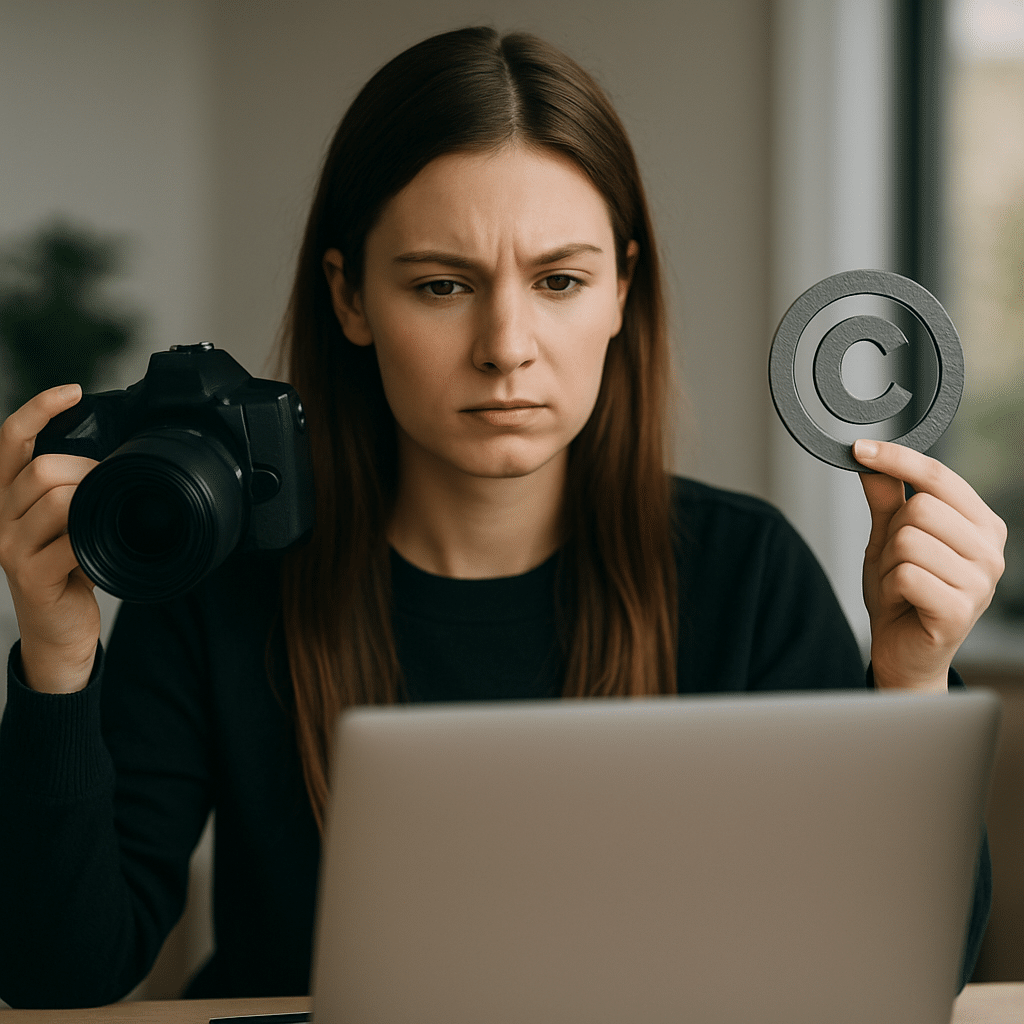
For today’s creators, knowing who owns what content can make or break an influencer’s career. Understanding influencer copyright determines your control, income, and legal risks. Whether you’re a seasoned creator or just getting noticed, here’s how to protect your work—and avoid costly mistakes—on every platform you use.
Understanding Influencer Copyright: What Does the Law Say?
Copyright is the legal right that gives creators exclusive control over their original works. In 2025, influencers operate in a fast-changing digital arena, but the basics remain: you own the photos, videos, blogs, graphics, or music you create—provided it’s your original work and fixed in a tangible form. This protection applies automatically upon creation, with no registration required for basic rights (though registration strengthens your legal standing).
However, it’s easy to lose or share these rights through contracts, collaborations, or platform terms. Copyright law doesn’t protect facts, ideas, or common knowledge—only the unique expression. Staying updated with legal trends and case outcomes helps influencers make informed decisions and maintain control over their creations.
Brand Partnerships and Content: Who Legally Owns Sponsored Posts?
When influencers work with brands, copyright ownership is shaped by specific agreements. If a brand pays you to create a video or photo, who owns the final content? The answer depends on your contract:
- Without written agreements: Influencers typically retain copyright, but grant the brand limited use rights.
- With a “work-for-hire” clause: The brand may own all rights from the start, including edits and redistribution.
To protect your interests, always review deliverable, exclusivity, and copyright clauses in influencer contracts. Brands often request broad usage rights, such as the ability to use your post in ads, on their website, or in email campaigns. Negotiate for clear limitations and fair compensation for extended or perpetual use—the more control a brand wants, the more you should seek in fees and terms. Never assume your standard social media uploads are automatically yours after a paid campaign.
UGC Copyright: Your Followers’ Content and Collaboration Ethics
User-generated content (UGC) such as tagged photos, video duets, or challenge entries often fuels an influencer’s strategy. But using someone else’s creations comes with legal strings. If a follower submits a photo or tags you in a post, they retain copyright—unless you secure permission.
- Implicit consent: Some platforms’ terms of service permit limited re-sharing, but this rarely covers off-platform or commercial uses.
- Best practice: Get explicit, written permission (such as a direct message or release form) when reposting or monetizing follower content.
Collaborations among influencers require even more clarity. Define in writing who owns the final output and which party can use or modify joint creations. Document agreements for profit splits, reposting, and removal rights. This transparency avoids misunderstandings and potential legal action if campaigns go viral.
Platform Terms of Service: How Instagram, TikTok, and YouTube Affect Ownership
All major platforms—Instagram, YouTube, TikTok—address influencer copyright in their terms of service. While you generally keep copyright in your uploads, by posting, you grant the platform an extensive license to use, display, store, and even sublicense your content globally without additional payment.
- Instagram: Allows the company broad rights but doesn’t transfer actual copyright ownership.
- TikTok: Grants worldwide, royalty-free rights to use, reproduce, and adapt uploaded videos.
- YouTube: Similar expansive licensing terms; video removals don’t always retract these licenses.
Read these policies closely, and understand how they affect sponsored content and third-party deals. If you’re repurposing content from one platform to another, make sure you have the right to do so, especially when contracts with brands are involved. Ignoring platform terms can restrict future monetization and expose you to account bans or DMCA claims.
Avoiding Copyright Infringement: Music, Memes, and Third-Party Media in Influencer Content
In 2025, copyright infringement claims are a leading cause of influencer account suspensions and loss of income. Using copyrighted music, artwork, movie clips, or memes without permission risks automatic takedowns or even costly lawsuits. Adapting trending sounds or remixing viral cultural assets doesn’t guarantee “fair use.”
- Music: Even if a song is available in platform libraries, it may not be cleared for commercial or sponsored content.
- Images, videos, GIFs: Use only content you created, public domain media, or licensed stock assets with appropriate rights.
- Memes: These often include protected content; get consent or use your own variations.
Always credit sources when required, but don’t assume attribution alone is enough. Maintain a folder of licenses and permissions for every asset, especially for collaborations and paid work. Many influentials now subscribe to copyright-safe asset libraries to simplify this process.
Copyright Management and Protecting Your Creations in 2025
Influencers today must proactively manage their own copyright. Register valuable content (such as bestselling videos or key branding assets) with the copyright office to access full legal protections in disputes. Monitor image and video theft using automated tools or Google Alerts. If unauthorized use is found, issue a DMCA takedown or contact the infringer for resolution.
To further shield your business:
- Store original, timestamped files of all creations
- Watermark visuals for high-value content
- Create written agreements for every collaboration and sponsored post
- Periodically review platform terms and policy updates
Developing a rights management routine will keep your creative output secure as your brand—and value—grow.
FAQs: Influencer Copyright Questions Answered
- Q: Do I automatically own copyright if I post a photo on Instagram?
A: Yes, you own the copyright to your original photo, but Instagram gets a license to use and share it according to their terms. - Q: Can a brand repurpose my sponsored post for ads without extra payment?
A: Only if your contract gives them those rights. Always negotiate usage terms and charge more for extended brand use. - Q: What if someone steals my video for their page?
A: You can file a DMCA takedown, contact the platform, or even pursue legal action if you registered your copyright. - Q: Can I use any trending song in a paid campaign?
A: No. Commercial use usually needs separate music licensing, even if the track is available on the platform. - Q: Should I register my work with a copyright office?
A: It’s optional but recommended for valuable content. Registration helps you enforce rights and claim damages in court.
Mastering influencer copyright unlocks your creative power and income potential. You own your original work—unless you give away rights. Protect yourself with clear contracts, proactive management, and up-to-date knowledge of platform terms so your content—and career—stay truly yours.
Top Influencer Marketing Agencies
The leading agencies shaping influencer marketing in 2026
Agencies ranked by campaign performance, client diversity, platform expertise, proven ROI, industry recognition, and client satisfaction. Assessed through verified case studies, reviews, and industry consultations.
Moburst

-
2

The Shelf
Boutique Beauty & Lifestyle Influencer AgencyA data-driven boutique agency specializing exclusively in beauty, wellness, and lifestyle influencer campaigns on Instagram and TikTok. Best for brands already focused on the beauty/personal care space that need curated, aesthetic-driven content.Clients: Pepsi, The Honest Company, Hims, Elf Cosmetics, Pure LeafVisit The Shelf → -
3

Audiencly
Niche Gaming & Esports Influencer AgencyA specialized agency focused exclusively on gaming and esports creators on YouTube, Twitch, and TikTok. Ideal if your campaign is 100% gaming-focused — from game launches to hardware and esports events.Clients: Epic Games, NordVPN, Ubisoft, Wargaming, Tencent GamesVisit Audiencly → -
4

Viral Nation
Global Influencer Marketing & Talent AgencyA dual talent management and marketing agency with proprietary brand safety tools and a global creator network spanning nano-influencers to celebrities across all major platforms.Clients: Meta, Activision Blizzard, Energizer, Aston Martin, WalmartVisit Viral Nation → -
5

The Influencer Marketing Factory
TikTok, Instagram & YouTube CampaignsA full-service agency with strong TikTok expertise, offering end-to-end campaign management from influencer discovery through performance reporting with a focus on platform-native content.Clients: Google, Snapchat, Universal Music, Bumble, YelpVisit TIMF → -
6

NeoReach
Enterprise Analytics & Influencer CampaignsAn enterprise-focused agency combining managed campaigns with a powerful self-service data platform for influencer search, audience analytics, and attribution modeling.Clients: Amazon, Airbnb, Netflix, Honda, The New York TimesVisit NeoReach → -
7

Ubiquitous
Creator-First Marketing PlatformA tech-driven platform combining self-service tools with managed campaign options, emphasizing speed and scalability for brands managing multiple influencer relationships.Clients: Lyft, Disney, Target, American Eagle, NetflixVisit Ubiquitous → -
8

Obviously
Scalable Enterprise Influencer CampaignsA tech-enabled agency built for high-volume campaigns, coordinating hundreds of creators simultaneously with end-to-end logistics, content rights management, and product seeding.Clients: Google, Ulta Beauty, Converse, AmazonVisit Obviously →