


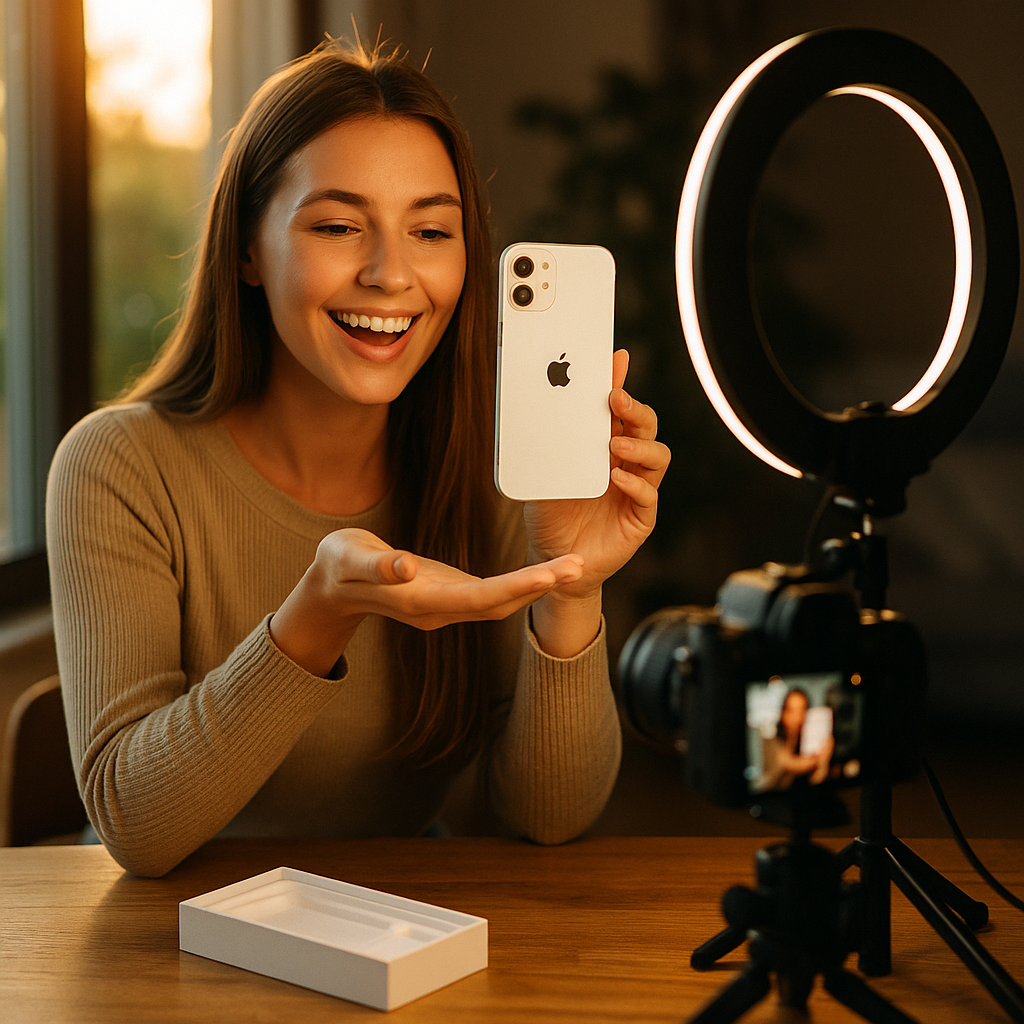
Leveraging influencers to de-risk a new product launch can make the difference between a viral hit and missed targets. By partnering with the right personalities, brands gain social proof, credible testimonials, and fast feedback. But how do you maximize impact while minimizing pitfalls? Read on to learn proven strategies for influencer-led product launches in 2025.
Why Influencer Marketing Builds Trust for New Product Launches
Consumers in 2025 are more discerning than ever, with skepticism towards traditional advertising at an all-time high. Influencer marketing for product launches provides instant credibility. According to a 2024 Statista report, 61% of consumers trust influencer recommendations as much as those from friends. Influencers bridge the gap between your brand and a highly engaged audience, fostering authentic connections that paid ads struggle to replicate.
By tapping into an influencer’s established community, you gain instant access to social proof. Followers see real people they admire using and endorsing your new product. This trust translates into reduced consumer hesitation, boosting early adoption and mitigating the risk of a failed launch.
Choosing the Right Influencer Partnerships for Product Risk Reduction
Not all influencer partnerships are created equal. To reduce product launch risks with influencers, strategic alignment is key. Start by clarifying your target audience, marketing goals, and product values. Seek influencers whose followers match your customer personas, and whose content aligns with your brand’s ethos.
- Micro-influencers (10,000–100,000 followers) offer niche reach and high engagement, providing honest feedback and authentic content ideal for de-risking launches.
- Macro-influencers (100,000–1M+) expand reach quickly but may have less personal engagement. They are effective for generating buzz if properly briefed and integrated into your campaign.
- Subject matter experts or industry voices lend authority and technical credibility, ideal for tech or specialized products.
Always vet influencers for past performance, audience authenticity (using tools like Modash or HypeAuditor), and a history of transparent collaborations.
Crafting Authentic Influencer Campaigns for Market Validation
To validate new products with influencer collaborations, authenticity must remain at the forefront. Gone are the days of scripted promos; 2025 consumers value unscripted usage and honest opinions. Structure your campaigns to encourage influencers to freely test, review, and share their experiences.
- Initiate soft launches with exclusive unboxing, reviews, or first-use content.
- Encourage influencers to highlight both product benefits and areas for improvement, showcasing transparency.
- Support user engagement via Q&A sessions, polls, and feedback forms in Stories and posts.
When audiences see genuine enthusiasm and even constructive criticism, they’re more likely to believe in the product’s value, paving the way for a stronger full-scale launch.
Measuring and Iterating Influencer Impact Before Scaling Up
Early-stage influencer partnerships function as a real-time test market. To measure the impact of influencers on launch success, set clear KPIs.
- Track engagement: Analyze likes, comments, shares, and direct traffic to your landing page.
- Monitor sentiment: Use social listening tools to gauge positive, neutral, and negative reactions to the product.
- Record conversions: Assign unique discount codes or affiliate links to each influencer to measure sales attribution.
- Solicit feedback: Ask influencers and followers for candid input. Document common pain points and product suggestions.
This data-driven approach enables you to make rapid product improvements and marketing tweaks before a wider rollout, greatly reducing launch risk.
Legal and Ethical Considerations When Using Influencers
To avoid influencer marketing risks during product launches, legal compliance and ethical transparency are non-negotiable. In 2025, global regulators continue to crack down on undisclosed partnerships and misleading claims.
- Always require clear disclosure: Influencers must use hashtags like #ad or #sponsored, and state the nature of the collaboration in their own voice.
- Avoid inflated promises: Claims about product performance must be accurate and substantiated with evidence.
- Protect user privacy: If influencers run contests or collect data, ensure compliance with privacy laws such as GDPR and CCPA.
- Formalize agreements: Use written contracts to clarify deliverables, timelines, compensation, and exclusivity terms.
Addressing these areas upfront protects your brand’s reputation and ensures a smooth, compliant launch process.
Scaling Up: Moving from Influencer Validation to Mass Market Success
Once influencer campaigns have validated your offering and gathered actionable feedback, it’s time to scale. Using influencer testimonials for product credibility in broader ad campaigns amplifies your reach. Repurpose influencer content across owned and paid channels—like website, email, and digital ads—to multiply ROI.
Consider launching an ambassador program with your top-performing influencers. Their long-term buy-in helps sustain momentum and turns early adopters into loyal customers. Finally, regularly review performance data to refine messaging, optimize spend, and foster innovation for future launches.
Conclusion: Influencers help brands de-risk new product launches by providing credibility, authentic market validation, and actionable feedback. By strategically selecting partners and prioritizing transparency, brands can launch with confidence, adapt swiftly, and accelerate towards sustainable success in 2025’s dynamic marketplace.
Frequently Asked Questions
-
What makes influencers effective in de-risking product launches?
Influencers lend social proof and trust, quickly validating new products with engaged audiences. Their honest feedback also helps brands refine offerings pre-launch, reducing the risk of wide-scale failures. -
How do I choose the right influencers for my product launch?
Focus on influencers whose audience matches your target customer and whose values align with your brand. Use engagement rates, audience authenticity checks, and proven campaign histories as selection criteria. -
How can I measure influencer campaign success for a new product?
Key metrics include audience engagement, click-throughs, sales via unique links or codes, sentiment analysis, and direct user feedback. Setting clear goals from the outset ensures measurable, actionable results. -
What are the main risks when using influencers for a product launch?
Risks include mismatched audiences, lack of disclosure leading to legal trouble, and influencer content that feels inauthentic. Careful vetting, legal agreements, and campaign transparency can mitigate these risks. -
Can influencer marketing replace other launch strategies?
Influencer marketing is a powerful complement, not a complete replacement. Combining it with PR, performance marketing, and direct sales strategies ensures a well-rounded, low-risk approach to new product launches.
Top Influencer Marketing Agencies
The leading agencies shaping influencer marketing in 2026
Agencies ranked by campaign performance, client diversity, platform expertise, proven ROI, industry recognition, and client satisfaction. Assessed through verified case studies, reviews, and industry consultations.
Moburst

-
2

The Shelf
Boutique Beauty & Lifestyle Influencer AgencyA data-driven boutique agency specializing exclusively in beauty, wellness, and lifestyle influencer campaigns on Instagram and TikTok. Best for brands already focused on the beauty/personal care space that need curated, aesthetic-driven content.Clients: Pepsi, The Honest Company, Hims, Elf Cosmetics, Pure LeafVisit The Shelf → -
3

Audiencly
Niche Gaming & Esports Influencer AgencyA specialized agency focused exclusively on gaming and esports creators on YouTube, Twitch, and TikTok. Ideal if your campaign is 100% gaming-focused — from game launches to hardware and esports events.Clients: Epic Games, NordVPN, Ubisoft, Wargaming, Tencent GamesVisit Audiencly → -
4

Viral Nation
Global Influencer Marketing & Talent AgencyA dual talent management and marketing agency with proprietary brand safety tools and a global creator network spanning nano-influencers to celebrities across all major platforms.Clients: Meta, Activision Blizzard, Energizer, Aston Martin, WalmartVisit Viral Nation → -
5

The Influencer Marketing Factory
TikTok, Instagram & YouTube CampaignsA full-service agency with strong TikTok expertise, offering end-to-end campaign management from influencer discovery through performance reporting with a focus on platform-native content.Clients: Google, Snapchat, Universal Music, Bumble, YelpVisit TIMF → -
6

NeoReach
Enterprise Analytics & Influencer CampaignsAn enterprise-focused agency combining managed campaigns with a powerful self-service data platform for influencer search, audience analytics, and attribution modeling.Clients: Amazon, Airbnb, Netflix, Honda, The New York TimesVisit NeoReach → -
7

Ubiquitous
Creator-First Marketing PlatformA tech-driven platform combining self-service tools with managed campaign options, emphasizing speed and scalability for brands managing multiple influencer relationships.Clients: Lyft, Disney, Target, American Eagle, NetflixVisit Ubiquitous → -
8

Obviously
Scalable Enterprise Influencer CampaignsA tech-enabled agency built for high-volume campaigns, coordinating hundreds of creators simultaneously with end-to-end logistics, content rights management, and product seeding.Clients: Google, Ulta Beauty, Converse, AmazonVisit Obviously →