


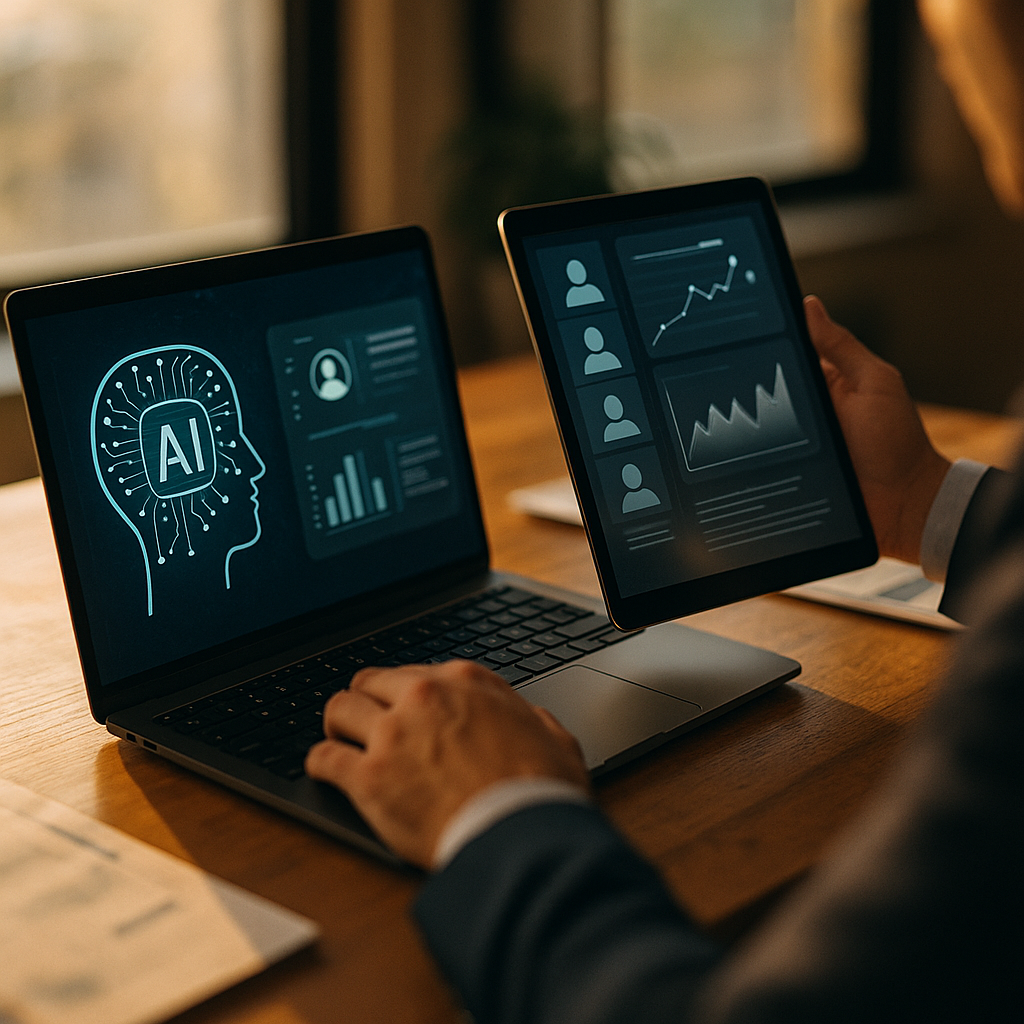
The future of B2B marketing is undergoing a seismic transformation with the rise of personalization and AI-powered ABM (Account-Based Marketing). As businesses seek smarter strategies to engage decision-makers, leveraging data-driven insights has become critical. How are advanced technologies reshaping B2B marketing, and what must brands do to stay ahead in 2025? Read on to find out.
Personalization: The Cornerstone of Modern B2B Marketing
Personalization in B2B marketing is no longer optional—it’s a competitive imperative. Modern buyers expect communications, offers, and experiences tailored to their specific roles, industries, and pain points. According to a 2025 Forrester study, 74% of B2B decision-makers are more likely to engage with brands that demonstrate real understanding of their business challenges.
However, effective personalization in B2B goes beyond simply using a prospect’s name in an email. It means leveraging granular data, such as firmographics, account history, intent data, and behavioral signals, to craft relevant and timely messaging. Forward-thinking companies are employing dynamic content on web pages, offering personalized product recommendations, and adjusting campaigns in real time based on user interactions.
This level of hyper-personalization improves conversion rates, shortens sales cycles, and builds lasting relationships. Organizations succeeding today have moved beyond static segmentation to deliver highly customized experiences at every touchpoint, making personalization truly the foundation of effective B2B marketing strategy.
How AI-Powered ABM Is Revolutionizing Account Targeting
AI-powered ABM has emerged as a game-changer, transforming how B2B marketers identify, engage, and convert high-value accounts. Artificial intelligence, with its ability to process massive datasets and detect patterns, enables marketers to move from broad targeting to laser-focused account segmentation.
- Predictive Analytics: AI helps forecast which accounts are most likely to convert by analyzing intent data, engagement signals, and historical interactions.
- Automated Personalization: Machine learning models dynamically adapt messaging, optimizing touchpoints at scale for individual stakeholders within target accounts.
- Real-Time Insights: AI tools enable sales and marketing teams to make data-driven decisions based on up-to-the-minute account activity and lead scoring.
In 2025, AI-powered ABM platforms analyze both structured and unstructured data, including email threads, call transcripts, and even video interactions, to generate holistic account profiles. The result? Marketers direct resources toward accounts with the highest propensity to engage, driving efficiency and maximizing ROI.
Building Trust: Data Privacy and Ethical Personalization
With the increased use of AI and advanced personalization comes heightened scrutiny over data privacy and ethics. B2B buyers in 2025 are more informed and cautious about sharing their data, expecting full transparency in how it is collected and used. The shift in the regulatory landscape—illustrated by frameworks like GDPR and emerging AI-specific guidelines—places greater accountability on marketers.
Adhering to ethical standards isn’t just a compliance necessity; it’s a vital trust-building strategy. Leading B2B brands now implement:
- Explicit consent mechanisms before collecting and utilizing personal or business data.
- Clear opt-out options for communications and data tracking.
- Transparent privacy notices explaining the purposes of data processing and AI decision-making.
- Explainable AI that allows users to understand how algorithms influence marketing outreach.
Respect for data privacy directly impacts brand reputation and customer loyalty. As personalization and AI become more advanced, the most trusted brands will be those that put ethical standards at the core of their marketing operations.
Orchestrating Cross-Channel Experiences with AI
Today’s B2B buyers operate in a complex ecosystem, navigating multiple touchpoints and channels before making purchasing decisions. Brands can no longer afford to silo their engagement strategies. In 2025, AI-driven orchestration platforms are empowering marketers to deliver seamless, personalized cross-channel experiences—spanning email, websites, webinars, social media, and even conversational AI.
AI synthesizes data across channels, ensuring that messaging and offers are consistent as buyers move from one touchpoint to another. This omnichannel approach provides several benefits:
- Unified Buyer Journeys: AI connects the dots between channels, offering a cohesive story and enhancing the overall brand perception.
- Optimized Engagement Timing: Machine learning identifies the optimal moments to connect, increasing the likelihood of response.
- Multimodal Personalization: Content, offers, and outreach can be customized not only by persona or account, but by channel preferences and device usage patterns.
Effective cross-channel orchestration, underpinned by AI, reduces friction in the B2B purchase process and enables marketing teams to nurture relationships more holistically, increasing pipeline velocity and deal size.
Measuring Success: The Role of AI in B2B Marketing Analytics
In the age of data-driven personalization and AI-powered ABM, traditional marketing metrics are no longer sufficient. Marketers must measure what truly matters to revenue and account engagement. AI tools are now integral to advanced analytics, enabling:
- End-to-End Attribution: AI models attribute conversions to specific touchpoints, providing visibility into what’s working (and what isn’t) across lengthy B2B sales cycles.
- Predictive Pipeline Analysis: By analyzing buyer intent, deal progression, and marketing influence, AI forecasts revenue potential and identifies pipeline bottlenecks before they impact sales.
- Dynamic KPI Optimization: Machine learning algorithms help teams adjust their goals in real time, taking into account shifting buyer behavior and market trends.
This analytical sophistication gives marketing leaders the confidence to invest in high-impact activities, demonstrate clear ROI, and justify budget allocations for further AI adoption and personalization initiatives. Ultimately, AI-powered analytics elevate the strategic role of marketing within the organization.
Overcoming B2B Marketing Challenges with AI and Personalization
While the potential of personalization and AI-powered ABM is immense, executing these strategies at scale does come with obstacles. B2B marketers face challenges such as:
- Integrating fragmented data sources across platforms and departments.
- Aligning marketing and sales around target account definitions and engagement plans.
- Ensuring the responsible use of AI to prevent bias or unethical outcomes.
- Balancing automation with the human touch necessary for relationship-building.
Successfully navigating these challenges requires a culture of collaboration and continuous learning. Organizations leading the way in 2025 prioritize ongoing training in AI literacy, implement robust data governance frameworks, and foster alignment between marketing, sales, and IT teams. The result is a more agile, responsive, and customer-centric marketing operation—ready for both today’s needs and tomorrow’s opportunities.
In summary, the future of B2B marketing lies in harnessing the full potential of personalization and AI-powered ABM. Brands that act on real-time data, build trust through responsible AI, and orchestrate cohesive experiences can expect to outperform their competition in 2025 and beyond.
FAQs: The Future of B2B Marketing, Personalization, and AI-Powered ABM
-
What is AI-powered ABM?
AI-powered ABM leverages artificial intelligence and machine learning to identify, target, and engage high-value accounts more efficiently. It automates account research, personalizes messaging, and provides real-time insights, enabling more effective account-based marketing strategies at scale.
-
How does personalization benefit B2B marketing?
Personalization enhances relevance, fosters trust, and increases engagement by addressing the specific needs and pain points of decision-makers. It leads to higher conversion rates, shortened sales cycles, and stronger, longer-lasting client relationships.
-
Is AI in B2B marketing ethical?
When used responsibly—adhering to transparency, user consent, and fairness—AI can be ethical and enhance customer trust. Brands should prioritize ethical AI practices, including explainable algorithms and clear privacy policies, to meet rising buyer expectations and regulatory standards.
-
How do I get started with AI-powered ABM?
Start by aligning sales and marketing teams on target accounts, investing in reliable data sources, and implementing AI-driven ABM platforms. Gradually introduce automation to personalize campaigns and leverage analytics to refine your strategy over time.
-
What are the key metrics for measuring success in AI-powered B2B marketing?
Important metrics include account engagement scores, pipeline velocity, conversion attribution, customer lifetime value, and predictive revenue forecasts. AI-powered analytics provide deeper insights by connecting activities directly to business outcomes.
Top Influencer Marketing Agencies
The leading agencies shaping influencer marketing in 2026
Agencies ranked by campaign performance, client diversity, platform expertise, proven ROI, industry recognition, and client satisfaction. Assessed through verified case studies, reviews, and industry consultations.
Moburst

-
2

The Shelf
Boutique Beauty & Lifestyle Influencer AgencyA data-driven boutique agency specializing exclusively in beauty, wellness, and lifestyle influencer campaigns on Instagram and TikTok. Best for brands already focused on the beauty/personal care space that need curated, aesthetic-driven content.Clients: Pepsi, The Honest Company, Hims, Elf Cosmetics, Pure LeafVisit The Shelf → -
3

Audiencly
Niche Gaming & Esports Influencer AgencyA specialized agency focused exclusively on gaming and esports creators on YouTube, Twitch, and TikTok. Ideal if your campaign is 100% gaming-focused — from game launches to hardware and esports events.Clients: Epic Games, NordVPN, Ubisoft, Wargaming, Tencent GamesVisit Audiencly → -
4

Viral Nation
Global Influencer Marketing & Talent AgencyA dual talent management and marketing agency with proprietary brand safety tools and a global creator network spanning nano-influencers to celebrities across all major platforms.Clients: Meta, Activision Blizzard, Energizer, Aston Martin, WalmartVisit Viral Nation → -
5

The Influencer Marketing Factory
TikTok, Instagram & YouTube CampaignsA full-service agency with strong TikTok expertise, offering end-to-end campaign management from influencer discovery through performance reporting with a focus on platform-native content.Clients: Google, Snapchat, Universal Music, Bumble, YelpVisit TIMF → -
6

NeoReach
Enterprise Analytics & Influencer CampaignsAn enterprise-focused agency combining managed campaigns with a powerful self-service data platform for influencer search, audience analytics, and attribution modeling.Clients: Amazon, Airbnb, Netflix, Honda, The New York TimesVisit NeoReach → -
7

Ubiquitous
Creator-First Marketing PlatformA tech-driven platform combining self-service tools with managed campaign options, emphasizing speed and scalability for brands managing multiple influencer relationships.Clients: Lyft, Disney, Target, American Eagle, NetflixVisit Ubiquitous → -
8

Obviously
Scalable Enterprise Influencer CampaignsA tech-enabled agency built for high-volume campaigns, coordinating hundreds of creators simultaneously with end-to-end logistics, content rights management, and product seeding.Clients: Google, Ulta Beauty, Converse, AmazonVisit Obviously →