


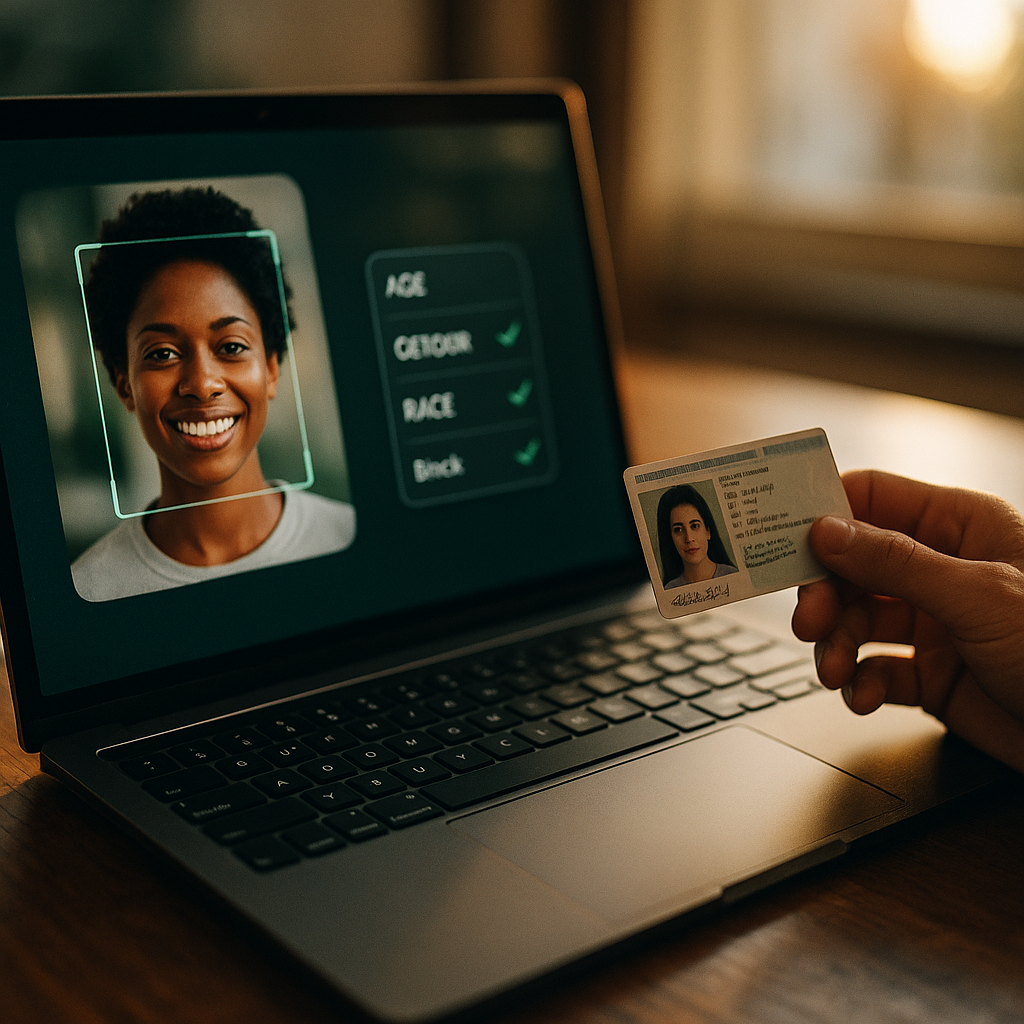
Roughly 49% of influencer campaign waste traces back to audience mismatch, not creative failure. If you’re committing six-figure budgets across a roster of 50-plus creators and relying on self-reported platform data to verify who’s actually watching, you’re not doing due diligence — you’re guessing. AI creator demographic verification at scale is the operational fix most brands haven’t yet systematized.
Why Platform-Native Audience Data Isn’t Enough
Every major platform — Instagram, TikTok, YouTube — provides creators with audience insights dashboards. The problem: that data is reported by the platform, based on logged-in users, and often reflects historical averages rather than the specific audience segment engaging with a creator’s recent content. A fitness creator whose audience skewed 25-34 female eighteen months ago may now be pulling 45+ male viewers after a pivot to strength training content. The dashboard lags. Your targeting assumption doesn’t.
Brands running large-scale influencer programs can’t afford to manually audit this data creator by creator. That’s where AI-driven campaign activation tools that embed demographic verification have changed the operational calculus. The verification layer now runs before spend is committed, not after the campaign delivers disappointing CPAs.
What “Demographic Verification at Scale” Actually Means
Let’s be precise. AI demographic verification in the context of influencer marketing refers to automated systems that cross-reference multiple data signals to confirm the actual age distribution, geographic concentration, and interest clustering of a creator’s audience. It is not a single API call to Instagram.
The better platforms are pulling from:
- Third-party panel data (opt-in user panels that validate platform-reported demographics)
- Engagement pattern analysis (time-of-day activity, comment sentiment, follower network mapping)
- IP-based geo signals (particularly useful for geography verification, where platform data is notoriously imprecise)
- Interest graph modeling (what other accounts, hashtags, and content categories the audience interacts with)
- Lookalike and cluster matching against verified first-party brand audience data
Platforms like Modash, Heepsy, and Traackr have built verification layers on top of platform-reported data. More sophisticated enterprise tools, including Sprinklr’s influencer module and Influential (now operating under the Publicis umbrella), layer in AI modeling to predict demographic accuracy scores rather than just reporting raw numbers. The distinction matters: a score tells you how much to trust the data, not just what the data says.
Demographic accuracy scores — not just raw audience percentages — are the metric brands should demand from any AI verification platform. A tool that reports 62% female without a confidence interval is giving you a false sense of precision.
The Four Verification Variables That Actually Drive Campaign ROI
Not all demographic signals carry equal weight. Prioritize your evaluation framework around these four:
1. Age cohort accuracy. This is non-negotiable for regulated categories. Alcohol, financial products, gambling adjacencies, and certain supplements face strict FTC compliance requirements around under-18 audience thresholds. If a platform can’t give you an auditable age distribution with a stated confidence level, that’s a liability gap, not just a targeting inefficiency.
2. Geographic precision below country level. Country-level geo data is nearly useless for most mid-market brands. If you’re launching a regional CPG campaign or a retail promotion limited to specific DMAs, you need state- or metro-level audience concentration data. Platforms vary wildly here. AI-powered audience targeting tools with granular geo capabilities include HypeAuditor and Kolsquare, both of which provide city-level audience breakdowns for creators with sufficient follower volume.
3. Interest verification versus interest assumption. Most platforms infer audience interests from the creator’s content category. That’s category targeting, not audience targeting. True interest verification maps what the audience actually engages with across the platform, not just within the creator’s channel. This distinction is particularly important in lifestyle, wellness, and parenting verticals where creator identity and audience behavior diverge frequently.
4. Audience authenticity as a precondition. Demographic verification is meaningless if a significant portion of the audience is bot-generated or purchased. Any AI verification workflow needs a fraud detection gate before demographic analysis runs. Running demographics on a partially fraudulent audience produces valid-looking numbers that describe nobody real.
How to Evaluate Platforms: A Practical Scoring Framework
When you’re assessing AI verification platforms for a large creator roster, move past the demo deck and ask these specific questions:
- What is the data source methodology? Panel, API, modeled, or blended?
- What is the minimum follower threshold for reliable demographic reporting?
- How frequently is the audience data refreshed? Monthly? Weekly? Real-time?
- Can you export verification reports in an audit-ready format for compliance documentation?
- Does the platform flag confidence levels or uncertainty ranges alongside demographic outputs?
- How does the tool handle creators with cross-platform audiences where demographic profiles differ by channel?
That last question is underasked. A creator with 200K YouTube subscribers and 80K TikTok followers likely has meaningfully different audience demographics on each platform. A tool that aggregates across platforms without separating them is compressing signal into noise.
For brands running programmatic amplification alongside organic influencer content, the verification layer also needs to connect upstream to paid activation. See how creator whitelisting and CPA benchmarking integrate with audience verification to close the loop between targeting confidence and paid performance.
The Compliance Angle Brands Are Still Underestimating
Demographic verification isn’t purely a targeting efficiency play. It’s increasingly a legal and regulatory requirement for specific product categories. The FTC’s updated disclosure guidelines place the burden of audience knowledge on the advertiser, not just the creator. The UK’s ICO and the ASA’s influencer marketing guidance both reference advertiser responsibility for understanding audience composition when targeting restrictions apply.
For alcohol brands, gaming companies, and financial services advertisers in particular, having AI-generated demographic verification reports as pre-campaign documentation isn’t optional best practice — it’s defensible evidence that due diligence was performed. Build that documentation workflow into your platform evaluation criteria from the start.
This compliance angle also connects to broader AI governance for advertising decisions, where regulators are increasingly scrutinizing automated systems that make or inform audience targeting choices.
For regulated categories, AI demographic verification reports function as compliance documentation, not just targeting inputs. Treat them accordingly — store them, version them, and tie them to specific campaign briefs.
Red Flags in Platform Demos
Watch for these patterns when a platform is pitching you on their verification capabilities:
Showing you only top-line demographic percentages without confidence intervals. Claiming “real-time” audience data without explaining the underlying data pipeline. Demonstrating verification on macro-influencers only (100K+ followers) without disclosing that accuracy degrades significantly at lower tiers. Conflating creator content analysis with audience demographic verification — these are different things. Inability to handle roster-level batch processing (if you’re evaluating 200 creators, running them one at a time isn’t scale).
The batch processing capability is particularly important for enterprise programs. Manual creator management versus AI-assisted workflows creates compounding operational costs at roster sizes above 50 creators. Verification that can’t run at roster scale defeats the purpose.
Platform Categories Worth Evaluating
The market has segmented into roughly three tiers. Discovery-first platforms (Modash, HypeAuditor, Kolsquare) built their verification capabilities into search and filtering — useful for prospecting but less robust for deep pre-campaign auditing. Full-stack influencer marketing platforms (Traackr, Grin, Later Influence) embed verification into broader workflow management, which improves operational efficiency but can mean the verification layer is a secondary feature rather than a core competency. Enterprise intelligence tools (Brandwatch Influencer, Sprinklr, Influential) invest more heavily in data science for demographic modeling, which produces more defensible accuracy scores but comes with pricing structures that assume significant program scale.
A useful external benchmark: Sprout Social’s influencer data capabilities and eMarketer’s periodic influencer marketing benchmarks both provide independent context for evaluating platform claims against industry norms. Don’t rely exclusively on vendor-produced accuracy comparisons.
For brands building more sophisticated AI-driven identification workflows, identity graph infrastructure can extend demographic verification beyond platform-reported data into first-party customer matching — a materially stronger signal than anything a third-party panel provides.
Audit your current verification process against these criteria before the next campaign cycle. If you can’t answer “what is the confidence level on our age demographic data for each creator on this roster,” you have a targeting assumption masquerading as a targeting strategy.
Frequently Asked Questions
What is AI creator demographic verification and why does it matter for brands?
AI creator demographic verification is the automated process of validating a creator’s audience age distribution, geographic concentration, and interest profile using multiple data signals beyond platform-reported metrics. It matters because self-reported platform data is often outdated, aggregated at country level, and unable to detect fraudulent or inactive accounts. For brands committing media budgets, unverified demographics mean targeting assumptions that may not reflect the actual audience receiving the campaign message — leading to wasted spend and missed performance benchmarks.
How accurate is AI-based audience demographic verification compared to platform-native data?
Accuracy varies significantly by platform and methodology. Tools that blend third-party panel data with engagement pattern analysis and IP-based geo signals generally outperform platform-native dashboards, which reflect historical logged-in user data. The key differentiator is whether a tool provides confidence intervals alongside demographic percentages. A platform reporting “68% female audience” without a stated confidence level is not giving you actionable accuracy data — it’s presenting a point estimate without uncertainty range, which is misleading for budget allocation decisions.
Which influencer marketing platforms offer the strongest demographic verification capabilities?
HypeAuditor, Modash, and Kolsquare are well-regarded for demographic verification at the discovery and mid-market tier, particularly for geographic and age data. For enterprise programs, Traackr, Influential, and Sprinklr’s influencer module provide more sophisticated AI-modeled accuracy scoring. No single platform leads across all variables — age verification strength, geo precision, and interest graph depth vary by tool. Brands should request methodology documentation and run parallel audits on a known sample of creators to validate any platform’s accuracy claims before full roster deployment.
Is demographic verification a compliance requirement or just a best practice?
For regulated product categories including alcohol, financial services, gaming, and certain health products, demographic verification is increasingly a compliance requirement, not an optional enhancement. Advertising regulators including the FTC in the US and the ASA and ICO in the UK place the burden of audience knowledge on advertisers. Being able to document that audience age and geographic data was verified before campaign activation provides defensible evidence of due diligence. Brands in unregulated categories benefit from verification for targeting efficiency reasons, but the compliance argument applies most forcefully to age-restricted and financially regulated products.
What should brands do when AI demographic verification reveals a mismatch between a creator’s claimed audience and actual verified demographics?
A demographic mismatch before campaign launch is an opportunity to adjust roster composition, renegotiate deliverables, or reallocate budget — not a crisis. The correct response depends on the severity. If a creator’s verified audience skews significantly older than required for a youth-targeted campaign, that creator should be removed or shifted to a different campaign variant targeting that demographic. If geographic concentration doesn’t match a regional campaign’s DMA requirements, that creator’s content should not be amplified via paid media in the target area. Document the mismatch and the decision made as part of your campaign pre-approval workflow.
Top Influencer Marketing Agencies
The leading agencies shaping influencer marketing in 2026
Agencies ranked by campaign performance, client diversity, platform expertise, proven ROI, industry recognition, and client satisfaction. Assessed through verified case studies, reviews, and industry consultations.
Moburst

-
2

The Shelf
Boutique Beauty & Lifestyle Influencer AgencyA data-driven boutique agency specializing exclusively in beauty, wellness, and lifestyle influencer campaigns on Instagram and TikTok. Best for brands already focused on the beauty/personal care space that need curated, aesthetic-driven content.Clients: Pepsi, The Honest Company, Hims, Elf Cosmetics, Pure LeafVisit The Shelf → -
3

Audiencly
Niche Gaming & Esports Influencer AgencyA specialized agency focused exclusively on gaming and esports creators on YouTube, Twitch, and TikTok. Ideal if your campaign is 100% gaming-focused — from game launches to hardware and esports events.Clients: Epic Games, NordVPN, Ubisoft, Wargaming, Tencent GamesVisit Audiencly → -
4

Viral Nation
Global Influencer Marketing & Talent AgencyA dual talent management and marketing agency with proprietary brand safety tools and a global creator network spanning nano-influencers to celebrities across all major platforms.Clients: Meta, Activision Blizzard, Energizer, Aston Martin, WalmartVisit Viral Nation → -
5

The Influencer Marketing Factory
TikTok, Instagram & YouTube CampaignsA full-service agency with strong TikTok expertise, offering end-to-end campaign management from influencer discovery through performance reporting with a focus on platform-native content.Clients: Google, Snapchat, Universal Music, Bumble, YelpVisit TIMF → -
6

NeoReach
Enterprise Analytics & Influencer CampaignsAn enterprise-focused agency combining managed campaigns with a powerful self-service data platform for influencer search, audience analytics, and attribution modeling.Clients: Amazon, Airbnb, Netflix, Honda, The New York TimesVisit NeoReach → -
7

Ubiquitous
Creator-First Marketing PlatformA tech-driven platform combining self-service tools with managed campaign options, emphasizing speed and scalability for brands managing multiple influencer relationships.Clients: Lyft, Disney, Target, American Eagle, NetflixVisit Ubiquitous → -
8

Obviously
Scalable Enterprise Influencer CampaignsA tech-enabled agency built for high-volume campaigns, coordinating hundreds of creators simultaneously with end-to-end logistics, content rights management, and product seeding.Clients: Google, Ulta Beauty, Converse, AmazonVisit Obviously →