


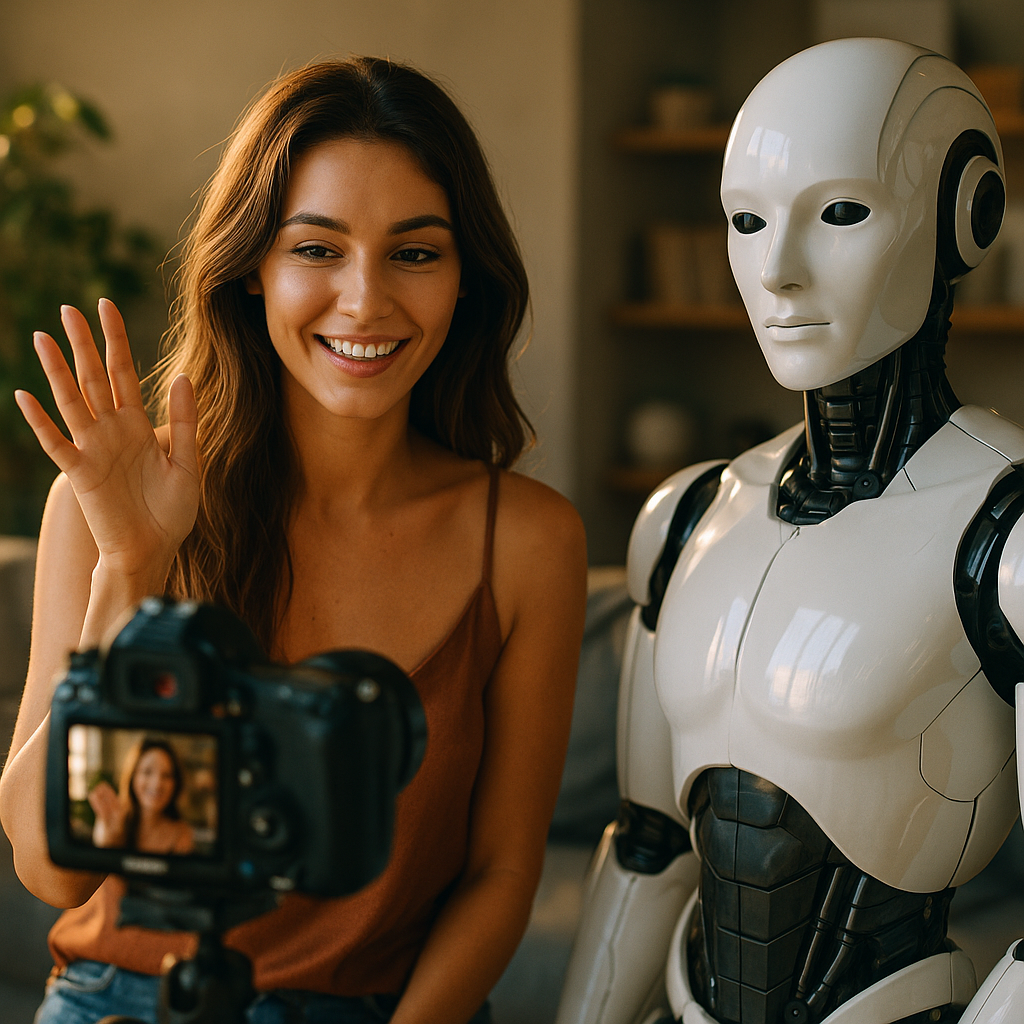
AI-driven creator matching models are revolutionizing how brands and content creators forge productive partnerships in digital marketing. By leveraging artificial intelligence, these advanced solutions deliver precise matches based on nuanced data analysis, resulting in greater campaign impact and efficiency. But how exactly do these models work, and what impact are they having on influencer marketing in 2025? Let’s explore the answers.
The Evolution of Creator Matching in Influencer Marketing
Before the advent of AI-driven creator matching models, influencer selection was manual, time-consuming, and often subjective. Brands relied on spreadsheets, keyword searches, and surface-level analytics to identify creators. This limited both reach and relevance, leading to suboptimal collaborations. In 2025, the digital landscape has matured. With the rise of short-form platforms and niche communities, the need for hyper-relevant partnerships is higher than ever.
Artificial intelligence fills this gap. Modern matching models utilize deep learning, natural language processing, and real-time behavioral analytics to assess millions of creators across social platforms. These tools can instantly evaluate content themes, audience demographics, performance history, and engagement quality. As a result, AI-driven matching solutions streamline creator discovery and speed up campaign launches—increasing ROI for both brands and creators.
How AI Matching Algorithms Identify Optimal Creators
AI-powered matching algorithms operate far beyond basic follower counts or keyword tags. Their sophistication in 2025 lies in their ability to analyze multiple layers of data:
- Content Authenticity: AI examines image and video content for originality, consistency, and alignment with a brand’s values.
- Engagement Patterns: Machine learning models parse engagement not just by quantity, but the quality of comments and shares, filtering out spammy or inauthentic activity.
- Audience Insights: Natural language processing reveals follower age, location, interests, and sentiment toward sponsored posts.
- Historical Performance: Predictive analytics use past campaign results to forecast compatibility between creator and brand objectives.
- Brand Safety Scans: AI rapidly detects and flags potentially risky content, ensuring brand partnerships are safe and in line with guidelines.
This comprehensive data synthesis enables AI-driven creator matching models to uncover promising micro-influencers and niche creators who might otherwise go unnoticed, ensuring brands reach engaged and relevant audiences every time.
Boosting Campaign Effectiveness with Data-Driven Matches
Successful influencer campaigns hinge on authentic connections between creators and target audiences. AI-driven creator matching elevates campaign performance in several key ways:
- Greater Precision: Brands can specify nuanced requirements, from tone of voice to DEI representation, and receive tailored creator lists within minutes.
- Higher Engagement Rates: By matching based on audience sentiment and affinity, AI ensures promoted content resonates—statistically increasing engagement, according to recent industry surveys.
- Real-Time Optimization: Live data tracking allows swift pivoting; if a campaign underperforms, the AI suggests new creators or formats mid-campaign.
- Increased Transparency: Brands receive full reports on why matches were selected, including risk assessments and success predictions, cultivating trust in the model’s recommendations.
The outcome is clear: marketers report dramatically reduced campaign planning times and more measurable results, as AI-driven matches bring together partners whose values and goals truly align.
The Role of Machine Learning in Building Trust and Transparency
Concerns over fake followers, fabricated metrics, or incompatible creators have long haunted influencer marketing. In 2025, AI-driven creator matching models address these issues head-on. Machine learning scrutinizes not just vanity metrics, but identity verification, behavioral consistency, and authentic engagement signals.
This rigorous vetting process builds trust on both sides. Creators are assured that brands are a good fit, respecting their ethics and audience. Brands, meanwhile, avoid costly missteps due to inaccurate data. State-of-the-art explainable AI techniques ensure that every match recommendation comes with an easy-to-understand rationale—helping all stakeholders make informed choices.
As transparency in influencer selection grows, so does regulatory scrutiny. AI-driven models help brands comply with evolving advertising and data privacy regulations, enabling safer, more compliant campaigns that meet both business goals and consumer expectations.
Scale and Diversity: Unlocking New Opportunities in 2025
One of the most transformative effects of AI-driven creator matching is its ability to simultaneously scale outreach and foster diversity. Brands can now tap into vast pools of nano- and micro-influencers across emerging platforms and geographies—something that would have been operationally prohibitive with manual methods.
Additionally, purpose-built algorithms can factor in cultural relevance, linguistic nuances, and accessibility considerations, empowering brands to run inclusive campaigns that reflect the world’s rich diversity. The ability to rapidly pilot, measure, and iterate campaigns means that even small businesses and startups can access influential talent.
Beyond advertising, these models are also serving entertainment, education, and non-profit sectors, helping users find the perfect collaborator for virtually any project. The future of creator marketing is not just bigger, but fairer and more representative—driven by ethical, data-informed AI.
Choosing the Right AI-Driven Creator Matching Platform
With a growing number of AI-powered influencer discovery tools on the market, brands and agencies must select the right match for their unique needs. Consider the following evaluation criteria:
- Data Depth: Does the platform integrate first-party and third-party data sources for a full 360-degree view of creators?
- Transparency: Are match results accompanied by intelligible explanations and compliance reports?
- Customization: Can you define detailed campaign parameters beyond generic categories?
- Automation: Does the system handle outreach, negotiation, and performance tracking as part of the workflow?
- Customer Support: Is there dedicated AI expertise available to troubleshoot and optimize campaigns?
Choosing a provider committed to continuous AI model refinement and privacy best practices will ensure sustained success as influencer marketing evolves in sophistication.
Conclusion: Why AI-Driven Creator Matching Models Are Essential
In 2025, AI-driven creator matching models are the foundation of effective, ethical, and scalable influencer marketing. Brands and creators adopting these solutions achieve more authentic partnerships, deeper audience engagement, and greater campaign ROI—while sidestepping common pitfalls of the old manual paradigm.
FAQs: Your Guide to AI-Driven Creator Matching Models
- What are AI-driven creator matching models?
These are intelligent systems that use artificial intelligence and machine learning to pair brands with the most relevant content creators for influencer campaigns, analyzing data such as engagement, audience traits, and content authenticity. - How do these models differ from manual influencer searches?
Unlike manual searches, AI-driven models quickly process large datasets, considering nuanced factors like sentiment analysis, past performance, and risk scores, delivering more precise and reliable matches. - Are AI-powered creator matching platforms trustworthy?
Yes, leading platforms use transparent algorithms, explainable AI reports, and rigorous data protection methods to ensure matches are both ethical and reliable. - Can small brands or startups benefit from AI-driven creator matching?
Absolutely. These tools democratize access to influencer marketing, enabling smaller businesses to efficiently discover affordable, high-fit creators at scale. - How do these models ensure diversity in influencer marketing?
Modern platforms incorporate inclusive data and cultural analytics, allowing brands to intentionally seek creators from diverse backgrounds and regions for more representative campaigns.