


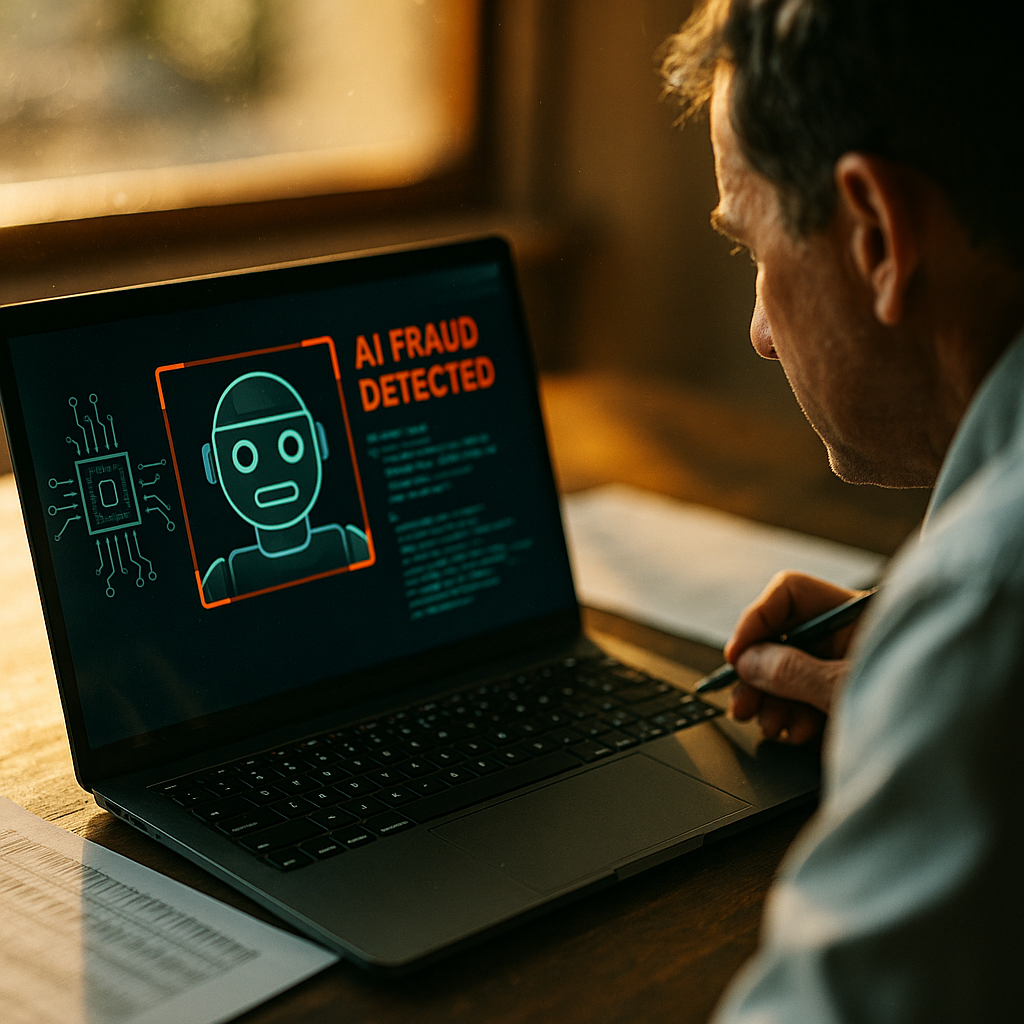
Roughly 15% of an average influencer’s following is estimated to be fake or bot-driven, and on some platforms that figure runs much higher. If your brand ran even a modest six-figure creator program last year, there’s a decent chance five figures of it paid for engagement that never had a pulse. That’s the uncomfortable math driving the current wave of AI-powered fraud-detection platforms built to score audience quality against bot networks as campaigns run, not after the invoice clears.
This isn’t a new problem. What’s new is the sophistication on both sides. Bot networks now use residential proxies, AI-generated comments, and behavioral mimicry that fools simple heuristics. Detection vendors have responded with their own machine learning layers, graph analysis, and real-time scoring APIs. The result is an actual arms race, and brands buying influencer media are the ones footing the bill when their side loses.
Why “Follower Audit” Tools Aren’t Enough Anymore
For years, brand safety meant running a creator through a static audit tool before signing a contract. Check follower growth charts, flag suspicious spikes, glance at an engagement ratio, move on. That approach made sense when bot farms were crude: cheap accounts, no profile photos, comment spam in broken English.
Today’s fraud is engineered to beat exactly that kind of audit. Click farms use real SIM cards and rotating IPs. GPT-powered comment bots write plausible, on-topic replies. Some networks even simulate realistic follow/unfollow cycles to avoid tripping growth-spike detectors. A one-time audit snapshot simply can’t catch behavior designed to look organic over time.
A static audit tells you what a creator’s audience looked like on the day you checked. It says nothing about what happens after the contract is signed, which is exactly when incentives to inflate metrics increase.
That’s the gap real-time scoring platforms are built to close. Instead of a point-in-time report, they continuously monitor engagement patterns, IP clustering, device fingerprints, and comment semantics throughout a campaign’s life, flagging anomalies as they emerge rather than after the recap deck is due.
What Real-Time Bot-Scoring Actually Measures
Vendors differ on methodology, but most real-time fraud platforms converge on a similar stack of signals:
- Network graph analysis: mapping relationships between accounts to spot coordinated bot clusters, not just individually suspicious profiles.
- Behavioral velocity: tracking how fast likes, comments, and follows accumulate relative to a creator’s historical baseline.
- Device and IP fingerprinting: identifying when engagement clusters around shared infrastructure, a classic click-farm tell.
- Linguistic pattern detection: using NLP to catch AI-generated or templated comments that mimic genuine reactions.
- Cross-platform correlation: comparing audience behavior across Instagram, TikTok, and YouTube to catch accounts that look real on one platform but bot-farmed on another.
The best platforms score continuously and expose that score via API, so it can feed directly into a brand’s media-buying or campaign-management stack rather than sitting in a PDF nobody reopens after week one.
Naming Names: How the Leading Platforms Actually Differ
The category has matured enough that there are real architectural differences worth comparing, not just marketing copy.
HypeAuditor built its reputation on breadth, scoring creators across a huge database using audience quality scores and audience type breakdowns (real, influencer, mass-follower, suspicious). It’s strong for pre-campaign vetting at scale but historically leaned more toward periodic re-scoring than true streaming detection.
Modash takes an API-first approach, which matters if your team wants bot-scoring embedded directly into an internal creator CRM rather than accessed through a separate dashboard. That’s a meaningful operational difference for teams running high-volume micro-influencer programs, where manual review of every creator simply isn’t feasible.
Storyclash and Upfluence both push toward continuous monitoring during live campaigns, flagging sudden engagement anomalies mid-flight rather than only at onboarding. That distinction matters more than it sounds: a creator can pass every pre-campaign check and still get hit by a bot surge (bought, or gifted by a bad actor trying to inflate perceived reach) once the content goes live.
Then there’s the newer wave of AI-native platforms layering large language models on top of traditional statistical fraud detection, using them to read comment sentiment and authenticity at a level pattern-matching alone can’t reach. This is where the arms race is heading: it’s not enough to detect fake accounts anymore, platforms need to detect fake authenticity.
The next generation of fraud isn’t fake followers. It’s real accounts, sometimes real people, paid to engage inauthentically at scale. That’s a much harder problem than counting bots.
The ROI Argument Nobody Wants to Say Out Loud
Here’s the part finance teams should care about more than they currently do: fraud detection isn’t a compliance nice-to-have, it’s a direct multiplier on media efficiency. If 15-20% of engagement on a campaign is fraudulent, that’s not just wasted spend, it’s actively distorting your performance data. Attribution models trained on fraud-inflated engagement will misallocate future budget toward creators who look good on paper and convert nobody in reality.
This connects directly to a problem covered in recent attribution modeling work: you can’t connect influencer spend to revenue if a meaningful chunk of the “engagement” input is synthetic. Garbage in, garbage attribution out. Real-time fraud scoring isn’t separate from attribution strategy, it’s a prerequisite for it.
There’s also a budget-reallocation angle worth raising with anyone still skeptical of the spend on detection tools. Brands running nano-creator programs at scale are especially exposed, since smaller accounts are cheaper to fake and harder to manually vet one by one. The economics favor automated, continuous scoring precisely because human review doesn’t scale to thousands of micro-partnerships.
Where This Intersects With Synthetic Media
Bot-driven engagement fraud is only half the authenticity problem. The other half is synthetic content itself, AI-generated faces, cloned voices, and deepfake-style creator videos that never involved a real person at all. These are related but distinct risks, and brands evaluating fraud-detection vendors should ask whether the platform covers both.
Some vendors are starting to bundle audience-fraud scoring with content-authenticity checks, recognizing that a campaign can fail brand safety on two fronts simultaneously: a real creator with a fake audience, or a fake creator entirely. For a deeper look at the content side of this problem, see our breakdown of synthetic-media detection tools built for TikTok and Instagram specifically.
Regulators are paying attention too. The FTC has increased scrutiny of influencer disclosure practices, and inflated audience metrics arguably compound the deception problem when brands can’t verify who they’re actually reaching. Meanwhile, industry data from eMarketer continues to show influencer marketing budgets climbing year over year, which only raises the stakes on fraud exposure at scale.
Building a Vetting Stack, Not Just Buying a Tool
Treating fraud detection as a single point solution misses how it should actually function inside a media operation. The strongest setups we’ve seen combine three layers:
- Pre-campaign scoring to screen creators before contracts are signed, catching the obvious bot-heavy accounts early.
- Real-time monitoring during the live flight, catching anomalous engagement spikes that appear only after content publishes.
- Post-campaign reconciliation that feeds clean, fraud-adjusted engagement data into attribution and reporting, so next quarter’s budget decisions aren’t built on inflated numbers.
This is the same operational-rigor logic that shows up in vendor claims audit frameworks for agentic AI media buying: don’t take a platform’s fraud-score at face value, ask what data feeds it, how often it refreshes, and whether it’s been independently validated. The same skepticism that applies to AI ad-buying claims should apply to bot-detection claims. Vendors have every incentive to overstate detection accuracy, since underselling it makes the product look weaker than competitors.
Procurement teams should also ask a blunter question: what’s the false-positive rate? A platform that flags too aggressively can tank relationships with legitimate micro-creators whose engagement patterns look unusual simply because they’re small, not because they’re fraudulent. Overcorrection has its own cost, and it’s one vendors rarely volunteer in a sales demo.
What This Means for Budget Conversations Next Cycle
Expect fraud-scoring line items to move from “nice to have” to standard RFP requirements over the coming procurement cycle. Brands that have been burned once, seeing a campaign report strong engagement but flat conversion, are increasingly unwilling to greenlight influencer spend without a real-time verification layer built in. That mirrors a broader shift already visible in HubSpot’s and Sprout Social’s reporting on marketing accountability standards tightening across channels, not just influencer.
The honest takeaway: this arms race won’t end with a clear winner. Bot networks will keep adapting to whatever detection method becomes standard, and vendors will keep layering new signals in response. That’s not a reason to sit out, it’s a reason to build fraud-scoring into your operating rhythm the same way you’d build in brand-safety review or legal sign-off, as a permanent process rather than a one-time purchase.
Next step: Before your next RFP cycle, ask every fraud-detection vendor on your shortlist for their false-positive rate and their comment-authenticity methodology, not just their headline “bot detection accuracy” number. That’s where the real differences, and the real risk, actually live.
FAQs
What’s the difference between a follower audit and real-time fraud detection?
A follower audit is a one-time snapshot of an audience’s authenticity, typically run before a contract is signed. Real-time fraud detection continuously monitors engagement patterns throughout a live campaign, catching bot surges or coordinated inauthentic activity that appears after the initial vetting.
How much of typical influencer engagement is actually fraudulent?
Estimates vary by platform and creator tier, but industry audits commonly find fake or bot-driven followers in the 10-20% range, with micro and nano-creator accounts often showing higher variability since they’re cheaper to manipulate and less scrutinized.
Can AI fraud-detection tools catch sophisticated bot networks using residential proxies?
The strongest platforms combine network graph analysis, device fingerprinting, and behavioral velocity tracking specifically to catch these harder-to-detect networks, since proxy rotation alone doesn’t hide coordinated account relationships or unnatural engagement timing.
Should brands worry about false positives flagging legitimate creators?
Yes. Aggressive fraud-scoring can misflag small or niche creators whose engagement patterns look unusual simply due to low volume. Brands should ask vendors directly about false-positive rates before adopting a platform as a hard gate on creator eligibility.
Does fraud detection cover AI-generated or deepfake creator content?
Not always. Audience fraud scoring and synthetic-media detection are related but distinct capabilities. Brands should confirm whether a vendor addresses both bot-driven engagement and AI-generated content authenticity, or only one.
How does bot fraud affect influencer marketing attribution?
Fraudulent engagement inflates performance data, which can mislead attribution models into overvaluing creators who generate fake interactions rather than real conversions. Clean, fraud-adjusted data is a prerequisite for accurate spend-to-revenue attribution.
FAQs
What’s the difference between a follower audit and real-time fraud detection?
A follower audit is a one-time snapshot of an audience’s authenticity, typically run before a contract is signed. Real-time fraud detection continuously monitors engagement patterns throughout a live campaign, catching bot surges or coordinated inauthentic activity that appears after the initial vetting.
How much of typical influencer engagement is actually fraudulent?
Estimates vary by platform and creator tier, but industry audits commonly find fake or bot-driven followers in the 10-20% range, with micro and nano-creator accounts often showing higher variability since they’re cheaper to manipulate and less scrutinized.
Can AI fraud-detection tools catch sophisticated bot networks using residential proxies?
The strongest platforms combine network graph analysis, device fingerprinting, and behavioral velocity tracking specifically to catch these harder-to-detect networks, since proxy rotation alone doesn’t hide coordinated account relationships or unnatural engagement timing.
Should brands worry about false positives flagging legitimate creators?
Yes. Aggressive fraud-scoring can misflag small or niche creators whose engagement patterns look unusual simply due to low volume. Brands should ask vendors directly about false-positive rates before adopting a platform as a hard gate on creator eligibility.
Does fraud detection cover AI-generated or deepfake creator content?
Not always. Audience fraud scoring and synthetic-media detection are related but distinct capabilities. Brands should confirm whether a vendor addresses both bot-driven engagement and AI-generated content authenticity, or only one.
How does bot fraud affect influencer marketing attribution?
Fraudulent engagement inflates performance data, which can mislead attribution models into overvaluing creators who generate fake interactions rather than real conversions. Clean, fraud-adjusted data is a prerequisite for accurate spend-to-revenue attribution.
Top Influencer Marketing Agencies
The leading agencies shaping influencer marketing in 2026
Agencies ranked by campaign performance, client diversity, platform expertise, proven ROI, industry recognition, and client satisfaction. Assessed through verified case studies, reviews, and industry consultations.
Moburst

-
2

The Shelf
Boutique Beauty & Lifestyle Influencer AgencyA data-driven boutique agency specializing exclusively in beauty, wellness, and lifestyle influencer campaigns on Instagram and TikTok. Best for brands already focused on the beauty/personal care space that need curated, aesthetic-driven content.Clients: Pepsi, The Honest Company, Hims, Elf Cosmetics, Pure LeafVisit The Shelf → -
3

Audiencly
Niche Gaming & Esports Influencer AgencyA specialized agency focused exclusively on gaming and esports creators on YouTube, Twitch, and TikTok. Ideal if your campaign is 100% gaming-focused — from game launches to hardware and esports events.Clients: Epic Games, NordVPN, Ubisoft, Wargaming, Tencent GamesVisit Audiencly → -
4

Viral Nation
Global Influencer Marketing & Talent AgencyA dual talent management and marketing agency with proprietary brand safety tools and a global creator network spanning nano-influencers to celebrities across all major platforms.Clients: Meta, Activision Blizzard, Energizer, Aston Martin, WalmartVisit Viral Nation → -
5

The Influencer Marketing Factory
TikTok, Instagram & YouTube CampaignsA full-service agency with strong TikTok expertise, offering end-to-end campaign management from influencer discovery through performance reporting with a focus on platform-native content.Clients: Google, Snapchat, Universal Music, Bumble, YelpVisit TIMF → -
6

NeoReach
Enterprise Analytics & Influencer CampaignsAn enterprise-focused agency combining managed campaigns with a powerful self-service data platform for influencer search, audience analytics, and attribution modeling.Clients: Amazon, Airbnb, Netflix, Honda, The New York TimesVisit NeoReach → -
7

Ubiquitous
Creator-First Marketing PlatformA tech-driven platform combining self-service tools with managed campaign options, emphasizing speed and scalability for brands managing multiple influencer relationships.Clients: Lyft, Disney, Target, American Eagle, NetflixVisit Ubiquitous → -
8

Obviously
Scalable Enterprise Influencer CampaignsA tech-enabled agency built for high-volume campaigns, coordinating hundreds of creators simultaneously with end-to-end logistics, content rights management, and product seeding.Clients: Google, Ulta Beauty, Converse, AmazonVisit Obviously →