


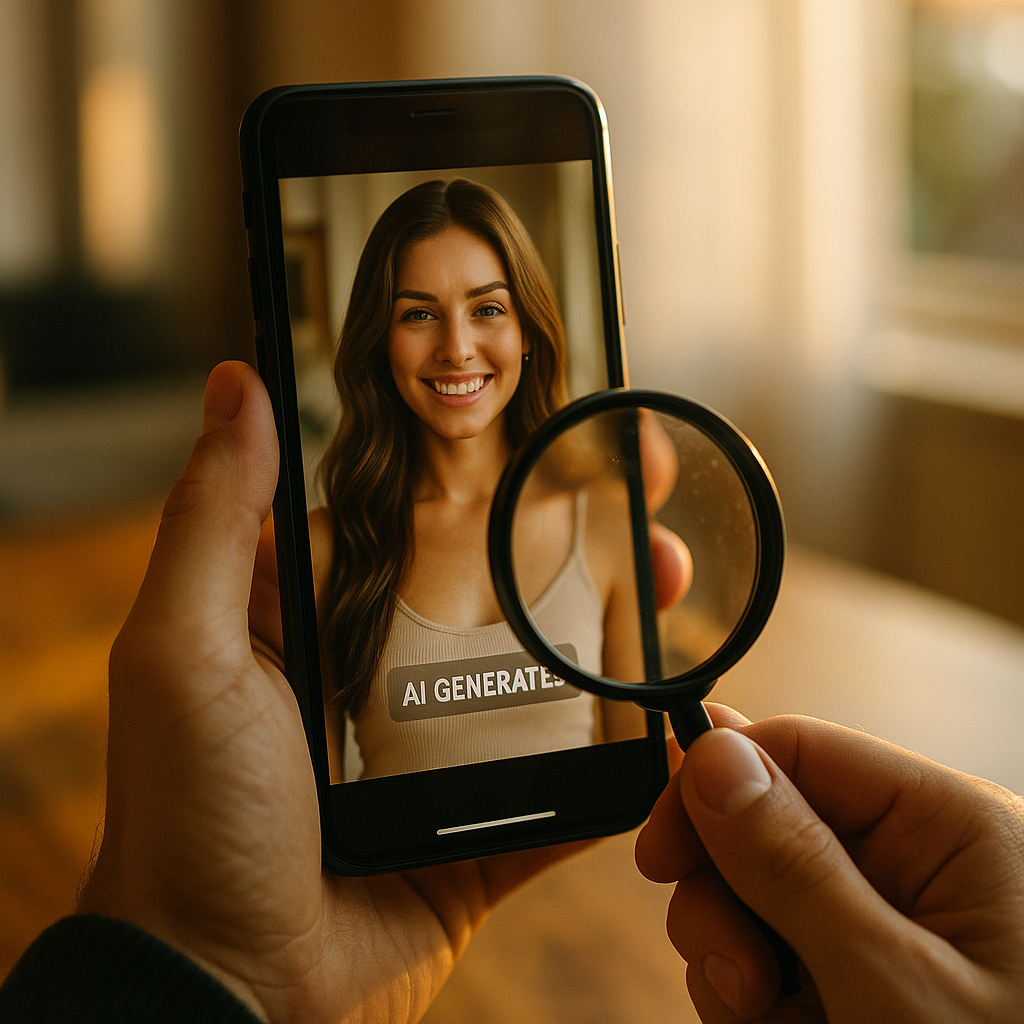
Transparency in AI-generated influencers is a central issue as brands increasingly adopt digital characters to engage audiences. Consumers demand authenticity and accountability, yet virtual influencers blur lines between reality and fabrication. How can brands, platforms, and users navigate these complexities, ensuring trust and ethical engagement in the rapidly evolving influencer landscape? Let’s explore the path forward.
Understanding AI-Generated Influencers and Their Rise
AI-generated influencers are digital personas powered by artificial intelligence, often designed to interact with users on social media platforms. Recent advancements in generative AI have made these virtual influencers more lifelike, attracting partnerships with leading brands across beauty, fashion, and tech sectors. According to a 2025 market analysis by Influencer Marketing Hub, virtual influencers influenced over $4 billion in brand sales worldwide, underlining their growing economic impact.
This rise is fueled by several advantages: AI-created personalities offer 24/7 engagement, zero reputational risk from personal scandals, and precise alignment with brand messaging. However, their seamless integration alongside human creators raises important concerns about transparency and consumer awareness.
The Importance of Ethical Standards in Virtual Influencer Transparency
As digital avatars assume influencer roles, ethical standards become paramount. Transparency in artificial intelligence means openly disclosing the non-human nature of these entities to followers and partner brands. The ethical imperative is clear: consumers have the right to know when they engage with AI rather than a real person.
Unclear representation can mislead audiences, especially younger users or those unfamiliar with AI. In 2025, the Digital Advertising Standards Board emphasized the necessity for virtual influencers to display clear identifiers such as “AI-generated” or “virtual avatar” on all sponsored and organic content. Such guidelines protect against consumer deception, uphold industry trust, and support responsible innovation.
Platform Policies and Regulatory Approaches to AI Influencer Disclosure
Social media platforms play a pivotal role in setting norms for AI influencer transparency. Platforms like Instagram, TikTok, and YouTube have introduced new rules in 2025 requiring explicit AI disclosures in influencer bios and sponsored posts. Automated AI detection and reporting tools help flag nondisclosed content, aiming to hold creators and brands accountable.
Globally, policymakers are taking action. The European Commission’s Digital Content Act mandates identification of synthetic media, including AI-generated influencers, with visible tags and periodic audits. In the United States, the Federal Trade Commission (FTC) expanded its Endorsement Guides to cover virtual influencers, clarifying the penalties for misleading disclosures. These developments underscore the importance of clear and consistent communication between platforms, creators, and consumers.
Building Trust: Brand Responsibility with Digital Influencer Partnerships
For brands, collaborating with AI-generated influencers can enhance marketing agility and audience targeting. Still, trust is a precious commodity that requires nurturing. Brands must ensure that any digital influencer partnership abides by legal and ethical disclosure standards. In 2025, major advertisers like Adidas and Samsung publicly committed to full AI disclosure in their influencer campaigns, after consumer research highlighted skepticism toward ambiguous virtual endorsements.
Brands can foster trust by taking proactive steps:
- Visibility: Ensuring every AI-generated influencer post includes unambiguous AI tags.
- Education: Informing followers about how AI-generated content works, often through Q&A sessions or behind-the-scenes features.
- Feedback Mechanisms: Providing channels for users to ask questions or raise concerns about virtual influencer content.
This commitment to transparency builds credibility, strengthens audience relationships, and sets a positive industry example.
User Perceptions and the Challenge of Authentic Engagement
User perceptions of AI-generated influencers are evolving. While some followers appreciate the novelty and creativity, others remain cautious. A recent study by the Social Media Trust Index in 2025 found that 64% of users expect overt disclosure regarding AI-driven accounts. The lack of transparency fuels distrust, particularly among Generation Z, who prize authenticity in online experiences.
True engagement involves more than eye-catching visuals or trending hashtags—it requires two-way trust. Users often question:
- How much control do brands have over virtual influencer messages?
- Are AI-generated opinions authentic or purely engineered?
- How can users differentiate real influencers from virtual ones?
By making transparency a non-negotiable foundation, brands and platforms can foster meaningful, safe interactions while empowering consumers to make informed decisions.
The Future: Achieving Balanced Innovation and Ethical Influence
As artificial intelligence tools become more advanced, virtual influencers will become even harder to distinguish from humans. This makes the need for robust transparency practices even more urgent. Looking ahead, industry experts predict increased use of verification badges, standardized AI disclosure language, and third-party audits to verify compliance.
A balanced future involves:
- Regular updates to platform policies and legal frameworks
- Stronger collaboration between brands, AI developers, and regulators
- Continuous education for users about virtual identities and content
By embedding transparency at every stage, the industry ensures that innovation does not come at the expense of consumer trust or ethical standards.
FAQs: Transparency in AI-Generated Influencers
-
Why is transparency important for AI-generated influencers?
Transparency is essential to prevent consumer deception, ensure ethical marketing, and maintain trust between brands, platforms, and followers. Clear disclosure helps users understand when they’re engaging with AI rather than a human.
-
How can I tell if an influencer is AI-generated?
Look for labels such as “virtual influencer,” “AI-created,” or “synthetic persona” in profiles and posts. Platforms are increasingly requiring explicit identifiers for AI-generated content to avoid confusion.
-
What are brands and platforms doing to improve transparency?
Brands and social media platforms are adopting stricter disclosure policies, using automated tools to detect nondisclosure, and educating users about AI-driven accounts. Regulatory bodies also enforce compliance through mandatory policies and audits.
-
Can virtual influencers be trusted?
AI-generated influencers can be trustworthy if brands and platforms provide clear disclosures and ensure that content reflects honest brand values. Users should remain vigilant and look for signs of authenticity.
-
What trends are shaping the future of AI influencer transparency?
Key trends include the adoption of AI verification badges, standardized disclosure phrases, government regulation, and consumer education efforts—all aimed at protecting users and promoting ethical practices.
Transparency in AI-generated influencers is not just an ethical necessity—it’s a business imperative. As virtual influencers reshape digital marketing, brands, platforms, and users must prioritize clear disclosure and ethical conduct to cultivate trust and innovation in an increasingly virtual world.