


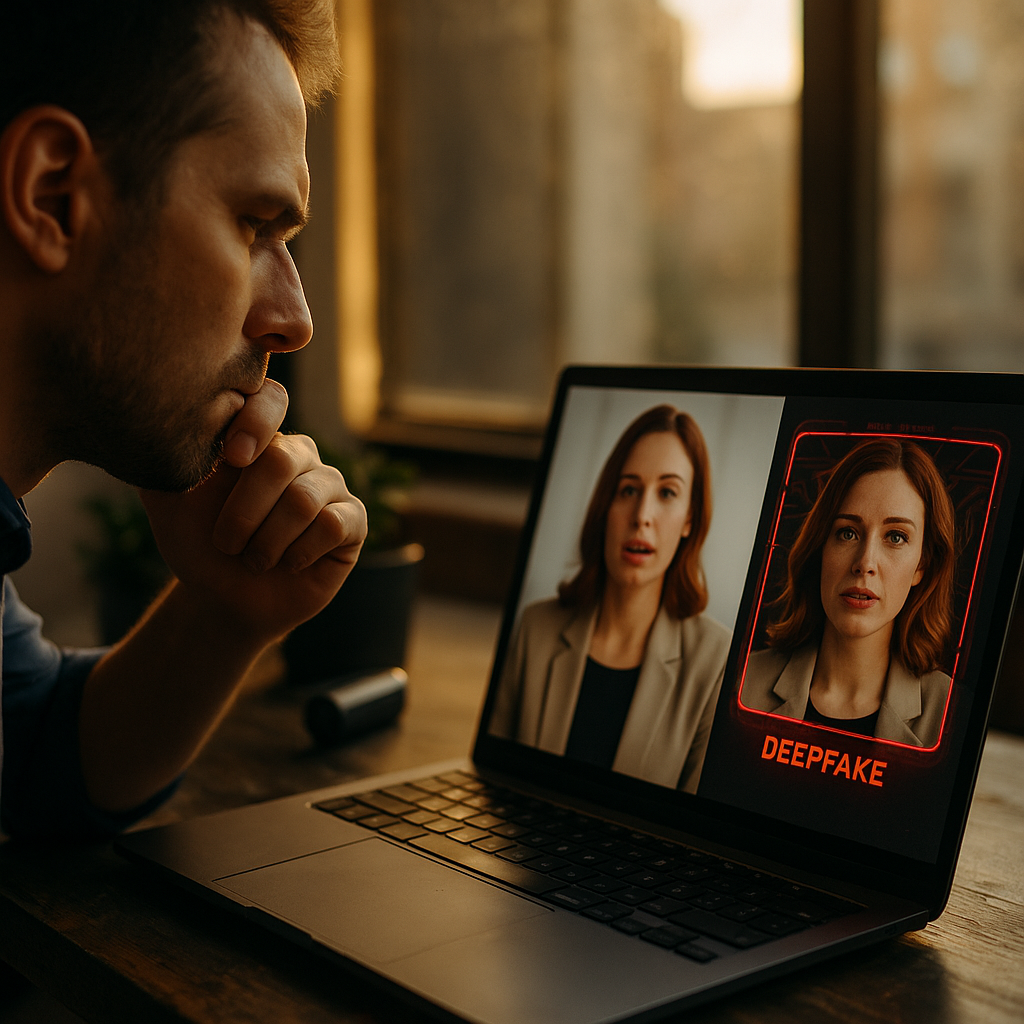
AI for detecting “deepfake” brand impersonations is fast becoming essential as digital fakery grows more sophisticated in 2025. With brand trust on the line and malicious actors leveraging deepfakes, how can leading brands stay one step ahead? Explore practical solutions that help businesses protect their reputation and ensure authenticity in an era of artificial deception.
Understanding Deepfake Brand Impersonations and Their Impact
“Deepfake” brand impersonations refer to artificially generated content—videos, audio, text, or images—that closely mimic a brand’s genuine output. In 2025, these counterfeit creations can spread rapidly across social media, tricking customers and eroding years of trust. Malicious actors deploy deepfakes not only to defraud customers but also to destabilize markets and damage a company’s reputation.
According to a March 2025 study by RiskIQ, over 38% of Fortune 500 brands reported attempted deepfake impersonations in the previous 12 months. The top targets included finance, retail, and energy sectors. The psychological realism of today’s deepfakes—powered by generative AI—means that even media-savvy users can be fooled, underscoring the urgency for robust detection tools.
How AI-Powered Detection Systems Work for Brand Protection
AI-powered detection systems are specifically engineered to spot telling signs of deepfake brand impersonations. These systems use advanced algorithms, including deep neural networks and transformer models, that analyze content for subtle inconsistencies or artifacts invisible to the human eye. The technology looks for anomalies across visual, auditory, and linguistic domains.
- Visual Analysis: AI evaluates frame-by-frame pixel patterns, identifying irregularities in lighting, texture, or facial movements that betray deepfake manipulation.
- Audio Authentication: Voiceprints, cadence, and background noises are assessed by AI models to detect artificial synthesis or mismatched emotional tone.
- Contextual Intelligence: Modern AI leverages large language models to scrutinize language, brand tone, and context—flagging inconsistencies in messaging style or terminology.
These detection systems constantly learn and adapt via continual exposure to new deepfake data. Brands such as Visa and BMW have already reported on the increased efficiency and false positive reduction achieved by implementing these specialized AI solutions.
Key Features of Leading AI Deepfake Detection Tools in 2025
The best AI tools for detecting deepfake brand impersonations have advanced dramatically in 2025. They now combine multiple AI modalities into unified platforms for efficient, automated monitoring and response. Here’s what brands should expect when evaluating such solutions:
- Real-Time Monitoring: Platforms scan social media, video networks, and news sites around the clock, alerting brands the moment suspicious content appears.
- Multi-Layered Detection: Cross-analyzing visual, audio, and text signals enables tools to uncover multi-modal deepfakes that would evade single-mode detection.
- Instant Verification: Integrated blockchain timestamping and independent cryptographic verification ensure brands can instantly authenticate original materials and challenge fakes.
- Easy Integration: APIs and browser extensions allow these AI tools to embed directly into customer service workflows, marketing dashboards, and crisis management systems.
Enterprises with global reach can use these platforms for brand protection across multiple languages and regions, supporting their teams in rapid and effective incident response.
The Benefits of AI-Driven Deepfake Detection for Large Brands
For established brands, the risks of deepfake impersonations are both financial and reputational. AI-driven detection brings benefits that go far beyond manual monitoring or traditional security solutions:
- Faster Threat Response: Automated systems intercept threats as they emerge, minimizing the window for attackers to deceive the public or commit fraud.
- Reputation Preservation: By instantly flagging and debunking deepfakes, brands retain consumer trust and can swiftly coordinate public messaging with confidence.
- Operational Efficiency: AI alleviates the burden on human analysts, enabling security teams to focus on higher-level strategy rather than time-consuming content reviews.
- Regulatory Compliance: In 2025, new regulations require brands to prove diligence in digital content verification; AI tools offer transparent detection records and audit trails to remain compliant.
These tangible benefits underscore why investment in AI-powered detection tools is now standard practice for Fortune 1000 brands seeking comprehensive digital risk management.
Best Practices for Implementing AI Deepfake Detection in Your Brand Strategy
Embracing AI detection for deepfake brand impersonations is most effective when integrated into a holistic digital trust strategy. Here are essential best practices for successful deployment:
- Conduct a Threat Assessment: Analyze your brand’s digital presence to identify high-risk channels and likely attack vectors for deepfake impersonators.
- Educate Your Team: Regularly train marketing, PR, and customer service staff to understand deepfake risks and work seamlessly with detection alerts.
- Establish Verification Protocols: Create transparent workflows for validating flagged content, including escalation processes and public communication guidelines.
- Engage with Stakeholders: Work with legal, IT, and public relations teams to ensure unified responses and maintain up-to-date threat intelligence.
- Continuously Review and Update: Regularly evaluate detection tool performance and adjust as deepfake technology evolves. Leverage vendor partnerships to access the latest threat insights and platform enhancements.
Taking these steps enables brands to both deter attackers and reassure customers that their interactions remain authentic and trustworthy.
The Future of AI and Deepfake Detection for Brands
With generative AI growing more sophisticated, industry leaders predict a constant arms race between attackers and defenders. In 2025, deepfake technologies can already bypass some first-generation detection systems, highlighting the need for continuous innovation.
Emerging solutions now blend AI with community reporting, context-aware forensics, and cross-platform collaboration between brands, regulators, and tech companies. These efforts aim not only to detect but proactively prevent deepfake brand incidents. Experts highlight the role of transparent AI models and explainability, ensuring that detection results are credible and actionable in both business and legal contexts.
Brands that invest early in both detection technology and internal preparedness will build resilience—not just against today’s threats, but against tomorrow’s ever-changing landscape of AI-powered deception.
Conclusion
AI for detecting “deepfake” brand impersonations is vital to safeguarding reputation and customer trust in 2025. By adopting advanced detection systems and best practices, brands can efficiently intercept digital threats and maintain an authentic presence. Proactive, AI-driven strategies are now fundamental for any business navigating the complexities of our AI-powered digital world.
FAQs About AI for Deepfake Brand Impersonation Detection
-
What is a deepfake brand impersonation?
A deepfake brand impersonation is digitally forged content—such as video, audio, or text—that mimics a real brand to deceive consumers or harm reputation. -
How accurate are AI detection tools in 2025?
Leading AI detection platforms now claim up to 92% accuracy, with frequent updates and adaptive learning improving effectiveness against the latest deepfake tactics. -
Which industries are most at risk?
Finance, retail, telecoms, and energy brands are the most commonly targeted, but any company with strong public recognition can be susceptible to deepfake attacks. -
Can small businesses benefit from these tools?
Yes. Many vendors now offer scalable, subscription-based solutions tailored for SMEs, making deepfake detection accessible beyond just large enterprises. -
What should I do if my brand is targeted by a deepfake?
Quickly verify the content using detection tools, communicate transparently with stakeholders and customers, and coordinate with legal and PR teams for appropriate response.