


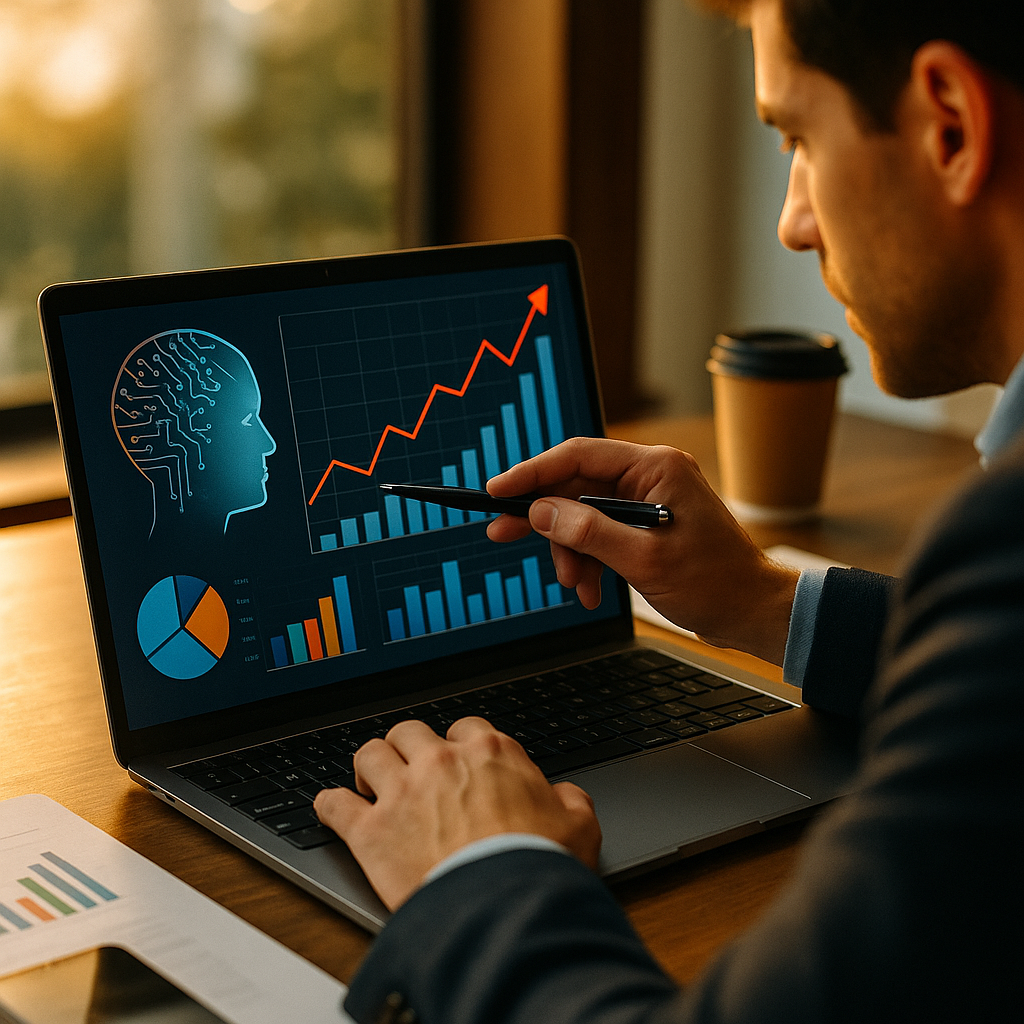
Predictive trend analysis using AI for campaign timing empowers marketers to optimize when they launch initiatives, maximizing engagement and ROI. With precise insights into audience behavior and seasonal fluctuations, brands can stay ahead of competitors. In 2025, understanding how to harness AI’s forecasting power can transform your marketing outcomes—will you effectively predict the next big trend?
What is Predictive Trend Analysis Using AI?
Predictive trend analysis using AI is the application of artificial intelligence to forecast future developments based on historical and real-time data. AI models sift through vast datasets—social media, purchase histories, digital engagements, and more—to identify subtle patterns. By leveraging advanced algorithms and machine learning, brands can anticipate market shifts, consumer interests, and seasonality, all vital for precise campaign timing.
This data-driven approach enhances decision-making by moving beyond gut feelings. It deploys analytics to inform when, where, and how campaigns will resonate best. In 2025, industry leaders are using AI-powered trend forecasts not only to react to changes but to shape them, fueling more agile and confident marketing strategies.
How AI Campaign Timing Optimizes Marketing Initiatives
Timing is everything in digital marketing. AI campaign timing solutions analyze audiences’ digital footprints and external signals—like economic indicators or emerging social sentiment—to recommend optimal launch windows. This ensures that campaigns strike when interest is peaking, which boosts click-through rates, conversions, and cost-effectiveness.
- Hyper-customization: AI can target micro-segments at exact moments they’re most receptive, boosting personalization.
- Reduced wasted spend: By avoiding ineffective times, marketers reduce budget waste and redirect resources to high-potential windows.
- Adapting in real time: Machine learning models continuously refine recommendations as new data flows in, keeping strategies agile in dynamic markets.
Marketers utilizing these AI-driven timing insights have reported up to a 27% improvement in campaign performance, according to data released early 2025 by leading analytics firms. This demonstrates the tangible advantages of predictive trend analysis for timing precision.
Key Data Sources Powering AI Trend Forecasting
The effectiveness of AI-driven trend analysis depends on diverse, high-quality data. Here are the main sources fueling these models in 2025:
- Social listening tools: Real-time analysis of conversations across platforms like X, TikTok, and Instagram reveals rising topics before they hit mainstream.
- Search engine trends: Aggregated keyword data provides early signals of shifting consumer curiosity or intent.
- Transactional and behavioral analytics: Purchase histories and browsing data reveal recurring cycles and new consumer habits.
- External events calendars: Integrating data on holidays, local events, and global incidents enables precision in campaign timing.
- Competitor monitoring: AI tools scan competitor activity to anticipate market saturation or uncover new gaps.
Combining these insights forms a holistic picture, allowing AI to uncover nuanced patterns and offer recommendations for both short-term bursts and longer seasonal planning.
Implementing Predictive Analytics for Campaign Strategy
Integrating predictive analytics into your marketing strategy involves several steps. First, define your campaign goals and KPIs. Next, select reputable AI tools known for robust trend forecasting—platforms like Google Cloud AI and Adobe Sensei offer customizable solutions for brands of all sizes in 2025.
Data integration is critical. Ensure your AI tool ingests quality data from all pertinent internal and external sources. Once models are trained, marketing teams should:
- Review AI insights on predicted high-engagement timeframes.
- Collaborate with creative teams to schedule asset production aligned with peak periods.
- Perform A/B tests to validate recommendations and refine strategies.
- Set up dynamic adjustments, so campaigns can shift timing as new trends emerge.
Remember, AI models improve over time. Establish regular review cycles, updating the inputs and interpreting results with a critical but open-minded lens to continuously optimize your campaign performance.
Real-World Examples: AI Transforming Campaign Timing in 2025
Several major brands are now using AI-powered trend analysis to revolutionize campaign effectiveness:
- Global Retailer: By analyzing regional shopping behavior and social chatter, a fashion retailer identified a sudden rise in eco-fashion discussions. Their AI-powered solution recommended a campaign launch just days before demand surged, resulting in a 35% sales increase.
- Streaming Service: Leveraging AI to monitor streaming preferences and pop culture trends, a platform adjusted content drops to moments of peak search volume. Viewer engagement reached record highs, and churn rates fell by 12%.
- Consumer Electronics Brand: By combining online reviews, competitor launches, and global holidays data, the brand relocated its product unveiling, avoiding market clutter. Their campaign achieved five times their usual social media impressions and a 22% higher conversion rate.
These case studies underscore the competitive edge achievable through predictive trend analysis and careful, AI-driven timing.
The Future: Ethical Use and Challenges of AI-Driven Campaign Timing
As AI capabilities expand through 2025, marketers must balance innovation with trust. Key ethical considerations include:
- Data privacy: Only use data sources compliant with regional and global privacy laws. Transparency with consumers about data use builds brand trust.
- Bias avoidance: Continuously audit AI models to avoid perpetuating historical biases or excluding minority voices from trend predictions.
- Interpretability: Ensure marketing teams understand how AI arrives at its recommendations, improving results and accountability.
While AI trend forecasting offers immense promise, ongoing human oversight is essential. By combining technological agility with ethical rigor, brands can capitalize on predictive analytics while safeguarding reputation and audience trust.
Conclusion: Mastering Predictive Trend Analysis for Campaign Success
Predictive trend analysis using AI for campaign timing is now a core advantage for marketers in 2025. Harnessing rich data and machine learning, you can anticipate and respond to audience shifts with unrivaled precision. Embrace AI-driven insights to transform your marketing results—those who act now will shape the future of consumer engagement.
FAQs: Predictive Trend Analysis Using AI for Campaign Timing
-
What is predictive trend analysis?
Predictive trend analysis uses AI and data analytics to forecast emerging patterns, allowing brands to anticipate market shifts and optimize campaign timing. -
How does AI determine the best time to launch a campaign?
AI analyzes historical and real-time data—such as user behaviors, online conversations, and external events—to recommend when target audiences are most likely to engage. -
Which industries benefit most from AI-powered campaign timing?
Retail, entertainment, consumer technology, travel, and finance sectors have seen the greatest improvements in campaign ROI from AI-driven timing in 2025. -
Is predictive trend analysis using AI expensive to implement?
Costs vary by scale and complexity, but cloud-based AI platforms and pay-as-you-go analytics tools make advanced trend analysis accessible for businesses of all sizes in 2025. -
How can I ensure my AI models remain ethical and unbiased?
Regular audits, using diverse data sources, and compliance with privacy standards are essential for ethical AI use. Empower marketing and compliance teams to review outputs and methodologies routinely.