


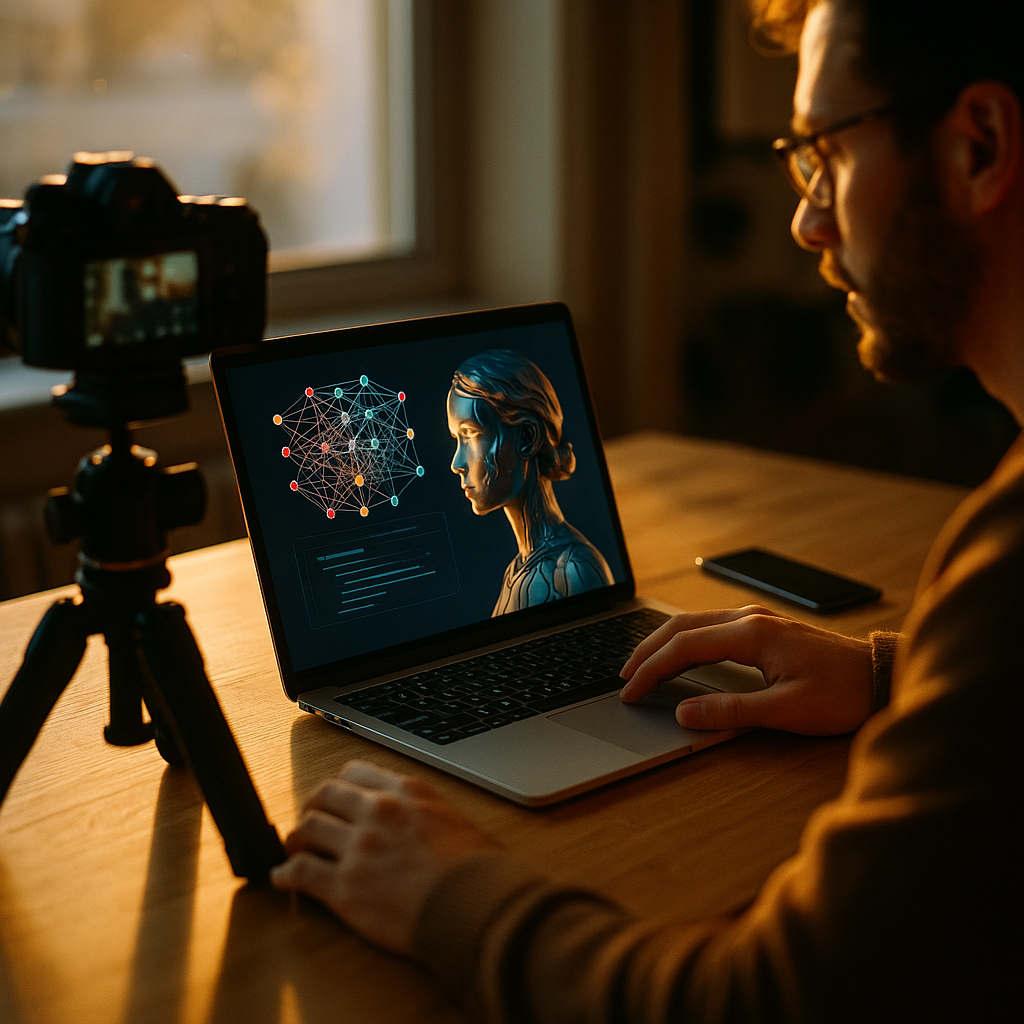
As content markets mature, AI tools that predict creator velocity and trend alignment are redefining how brands and influencers make data-driven decisions in 2025. These solutions forecast content growth rates and spotlight emerging trends for creators, transforming strategy, outreach, and performance management. Discover how these powerful AI tools are propelling the creator economy into the next era of innovation.
Understanding Creator Velocity: Why It Matters in 2025
The rise of both micro and macro-influencers means tracking creator velocity—the rate at which a creator gains followers, engagement, and content virality—is more crucial than ever. Velocity signals emerging talent and fast-rising stars. AI models now analyze thousands of digital touchpoints, offering near real-time insights into which creators are about to break out and which are losing momentum.
Brands leverage these insights for competitive influencer partnerships, while agencies use velocity data to shape campaigns that align with channels where buzz is strongest. Studies in early 2025 show that campaigns involving high-velocity creators generated up to 37% greater reach within their first month compared to partnerships using only traditional engagement metrics.
By understanding and acting on creator velocity, brands and agencies maximize return on investment (ROI) and stay ahead of their competitors. It’s not just about who is trending now, but who will trend next.
AI-Powered Trend Alignment: The New Strategic Advantage
Beyond velocity, trend alignment is a key metric powered by AI that helps brands and influencers sync content with current and emerging cultural moments. AI-driven trend analysis scours hashtags, video themes, meme evolution, and even regional lingo to forecast what audiences will care about next.
Imagine launching a campaign with creators whose content organically matches tomorrow’s trends. AI tools sift through petabytes of data from TikTok, YouTube, Instagram, and niche platforms, pinpointing which content categories are poised for rapid growth. In 2025, platforms like TrendLens and CreatorIQ’s AI modules help teams predict what styles, formats, and topics will dominate digital feeds in as little as 2-4 weeks ahead.
Brands that deploy these insights enjoy measurable lifts in campaign engagement and share-of-voice, outperforming less data-driven competitors.
Data Sources and Algorithms: How AI Models Predict Velocity
The strength of AI tools predicting creator velocity hinges on their underlying data sources and analytical models. In 2025, top platforms aggregate cross-network metrics, including:
- Historical and real-time follower growth
- Content frequency and topic mapping
- Audience engagement spikes and sentiment shifts
- Collaboration frequency with other creators
- Platform algorithm changes and their impact
Machine learning algorithms process these factors, training on years of creator lifecycle data. Neural networks and time-series models forecast surge points, plateaus, and declines. Natural language processing deciphers which post themes trigger engagement spikes.
Rigorous data validation and continuous retraining ensure that predictions remain accurate as new platforms and behaviors emerge.
Real-World Impact: How Brands and Agencies Use These Tools
As AI becomes embedded in everyday marketing workflow, brands and agencies harness these predictive insights for multiple uses:
- Talent discovery: Identifying high-velocity, on-trend creators before they peak, securing cost-effective partnerships and longer-term ambassadorships.
- Creative alignment: Ensuring content resonates with trending topics and evolving audience sentiment.
- Performance benchmarking: Replacing outdated vanity metrics with predictive analytics for smarter ROI calculations.
- Crisis management: Spotting signs of plummeting velocity, enabling timely campaign pivots and influencer support strategies.
- Campaign timing: Launching collaborations when creator momentum and trending topics logically converge for maximum impact.
Real case studies from 2025 show consumer electronics and beauty brands using these tools to achieve double-digit improvements in both short-term buzz and long-term loyalty.
Navigating Challenges: Transparency, Privacy, and Algorithmic Bias
While AI-driven creator analytics are powerful, they come with unique challenges. Data privacy is a growing concern—responsible platforms are transparent about data collection and ensure user consent. Ensuring algorithmic fairness is equally crucial. AI teams now regularly audit for potential bias, especially regarding underrepresented creators or niche languages.
It’s essential for agencies and brands to choose AI tools with strong privacy certifications and open documentation about decision-making logic. Ask: Does the platform exclude sensitive personal data? Does it allow creators insight into velocity scores? In 2025, transparency isn’t just an ethical standard—it’s a differentiator.
Future-Proofing Strategy: Integrating Predictive AI into Your Creator Ecosystem
Tomorrow’s successful teams are those embedding predictive AI tools seamlessly into creative, talent, and analytics workflows. This means:
- Educating staff on AI-generated signals and their limitations
- Developing cross-functional dashboards accessible to both creative and data teams
- Creating agile strategies that act on predictive insights while monitoring performance in real time
- Maintaining ongoing dialogue with creators about data impacts and shared growth opportunities
Early adopters in 2025 report faster campaign launches, improved influencer retention, and demonstrably stronger brand-creator relationships.
Conclusion: The Essential Role of AI Tools in Creator Marketing
In 2025, AI tools that predict creator velocity and trend alignment are transforming how brands and creators collaborate and win audiences. By leveraging advanced predictive analytics, marketers not only anticipate but shape tomorrow’s digital conversations. The brands that integrate these tools best will set the agenda in the ever-evolving creator economy.
FAQs: AI Tools for Creator Velocity & Trend Alignment
-
How accurate are AI predictions for creator velocity in 2025?
Leading platforms now report 82-89% accuracy in forecasting short-term creator growth and trend alignment, though results can vary across niches. -
Can smaller brands access these AI tools?
Yes, many solutions now offer scalable subscription models, making predictive analytics accessible to startups and midsize brands, not just major agencies. -
What risks are associated with using AI-driven predictions for influencer selection?
Risks include over-reliance on data, potential algorithmic bias, and privacy issues. It’s crucial to supplement AI insights with human judgment and personalized creator relationships. -
Do these AI tools work for all social platforms?
Most leading tools in 2025 cover major platforms like TikTok, Instagram, YouTube, and often emerging channels, but feature depth may differ depending on platform APIs and data access. -
How should creators respond to the rise of predictive analytics?
Creators should embrace these insights as a way to refine strategy, build long-term partnerships, and understand audience needs—while maintaining authenticity and creative freedom.