


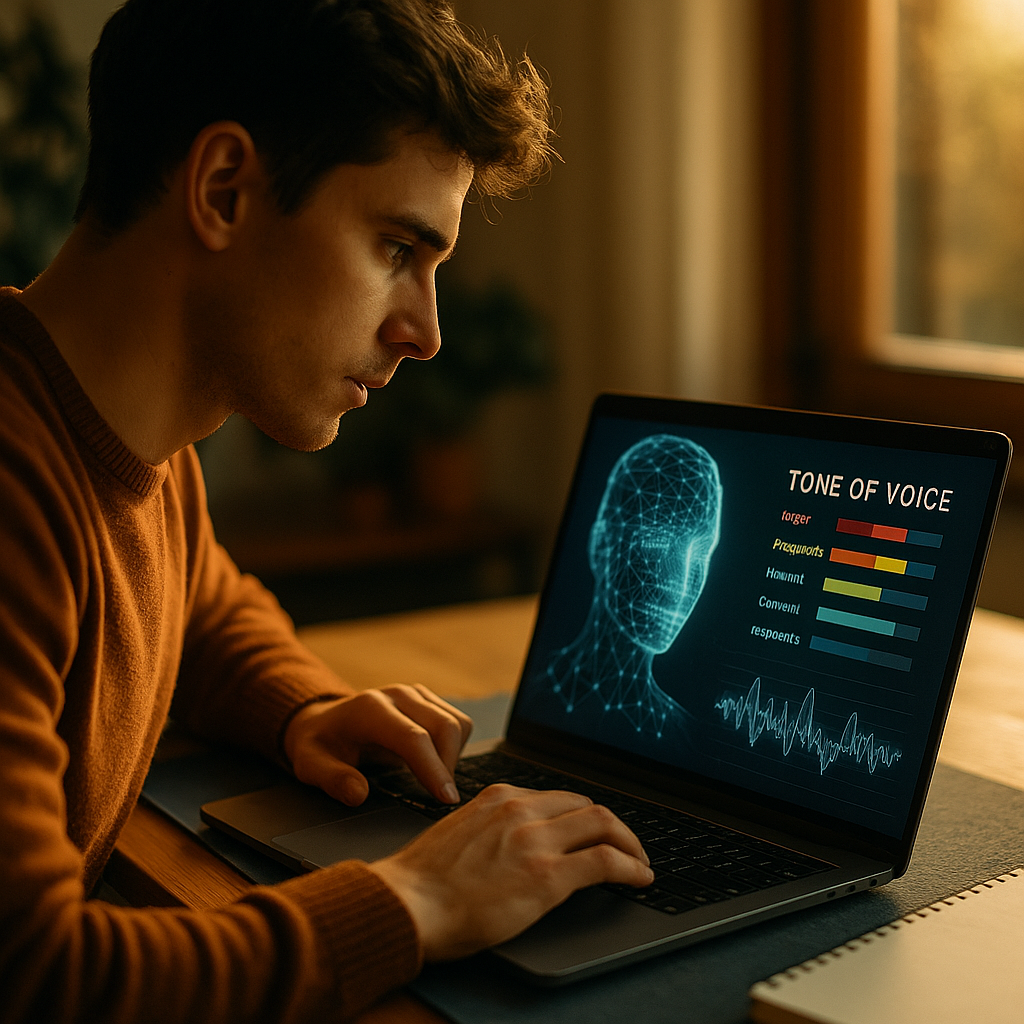
AI tools for identifying creator tone shifts are revolutionizing how brands, agencies, and creators themselves monitor and adapt voice across digital channels. As content authenticity becomes increasingly important in 2025, understanding when and why a creator’s tone changes can be the difference between audience growth and reputational risk. Ready to discover how AI is redefining tone analysis?
Why Monitoring Tone Shifts Matters in Digital Content
In today’s digital landscape, a creator’s tone is a critical component of brand identity and audience trust. Inconsistent tone can signal message misalignment, creative burnout, or even external interference. Tracking these shifts allows stakeholders to:
- Maintain brand consistency: Consistent voice strengthens recall and builds trust.
- Detect early warning signs: Sudden changes may indicate disconnection with the intended audience or unauthorized access.
- Inform strategy: Data-driven insights guide messaging, partnership choices, and creative direction.
With the rapid pace of content production in 2025, manual tone monitoring is nearly impossible. This is where advanced AI tools step in, offering scalable and nuanced analysis.
How AI Tools Detect Tone Changes in Creator Content
AI-powered tone detection tools utilize natural language processing (NLP) and machine learning algorithms to analyze text, voice, and even video cues. These tools:
- Analyze language patterns: AI reviews word choice, sentence structure, and emotive expressions to establish a tone baseline for each creator.
- Compare historical data: The algorithms monitor new content for shifts compared to past posts or videos.
- Flag anomalies in real time: When tone deviates from the norm, the tool triggers alerts for creators or stakeholders to review.
For video and audio, some tools also assess vocal pitch, pace, and emotion, expanding the analysis beyond written language. This multimodal approach improves accuracy, especially for platforms like YouTube, TikTok, and podcasts.
Top AI Tools for Identifying Creator Tone Shifts in 2025
With demand for transparent and effective communication, several AI tools have emerged as industry leaders. Some notable options for 2025 include:
- LuminaTone: Specializes in real-time detection of tone shifts in social media and long-form content, integrating with major platforms for instant alerts and reporting.
- VoiceGuard AI: Combines textual and vocal analysis for influencers, podcasters, and streamers, providing a comprehensive dashboard for trend tracking over time.
- BrandPulse Monitor: Designed for brands employing multiple creators, this platform enables wide-scale monitoring and risk detection across campaigns and geographies.
Each tool offers unique features, so selection depends on your specific use case, whether it’s individual creator introspection or enterprise-level brand protection.
Best Practices for Using AI Tone Detection in Creator Partnerships
To unlock the full benefit of AI tone tools, brands and creators must implement best practices that respect privacy, context, and intent. Recommended strategies include:
- Transparent communication: Disclose the use of AI monitoring to all creative partners and clarify its purpose—support, not surveillance.
- Baseline calibration: Work with tools to set a realistic and personalized tone baseline, avoiding false alarms from creative experimentation.
- Contextual interpretation: Use human judgment alongside AI insights, especially when addressing flagged anomalies. Not every tone shift is a problem; some may be intentional or timely.
- Feedback integration: AI tools should offer actionable feedback to creators, facilitating continuous improvement instead of punitive response.
These practices ensure the technology enhances human creativity and trust, rather than stifling innovation or privacy.
Addressing EEAT: Ensuring Trust and Accuracy in AI Tone Analysis
Under Google’s Experience, Expertise, Authoritativeness, and Trustworthiness (EEAT) guidelines, the reliability of AI tone analysis tools is paramount. To maintain trust and deliver actionable insights:
- Data transparency: Top tools in 2025 clearly communicate their methods for collecting, processing, and safeguarding creator data.
- Source validation: Algorithms are trained on verified, diverse datasets, reducing the risk of bias or cultural misinterpretations.
- Continuous updates: As language and social norms evolve, AI providers regularly enhance their models for accuracy and ethical alignment.
- User control: Empowering creators and marketers to adjust sensitivity and feedback settings based on their own context ensures results remain relevant and user-centered.
By prioritizing these principles, AI tools can serve as reliable partners in navigating the complex world of digital communication.
Integrating AI Tone Insights Into Content Strategy
The final, essential step is leveraging the data these tools provide to inform smarter content decisions and deeper audience relationships. Here are proven methods for integrating AI tone analysis:
- Editorial planning: Identify which types of content resonate best with your established tone and adapt your calendar accordingly.
- Crisis management: Rapidly address issues or misunderstandings when negative tone shifts are detected, preserving brand reputation.
- Influencer vetting: Assess potential partners for long-term compatibility—not just audience fit—by examining historical tone consistency.
- Performance measurement: Track how tone adjustments impact engagement and conversion, refining strategy iteratively.
In 2025, data-driven tone management is moving from a niche advantage to an industry standard for sustained content growth and audience connection.
Frequently Asked Questions
-
How accurate are AI tools at detecting creator tone shifts?
In 2025, leading AI tools can achieve over 90% accuracy by combining natural language processing, vocal analysis, and contextual data. However, best results come from balancing AI insights with human review.
-
Are AI tone detection tools suitable for all content formats?
Yes. Advanced AI tools now analyze text, audio, and video content. Some specialize in specific formats, so choose a platform that aligns with your main channels.
-
Will using AI for tone monitoring impact creator privacy?
When implemented with transparency and ethical safeguards, AI tools can respect creator privacy. Always use tools that prioritize data protection and allow creators to control what’s analyzed.
-
Can tone shifts indicate security or reputational risks?
Yes. Unexplained or abrupt tone changes can signal account hacking, PR crises, or unauthorized access. AI tools help in identifying and addressing these risks swiftly.
-
How much does it cost to use an AI tone detection platform?
Pricing varies by feature set and scale. In 2025, individual creator tools start around $30 per month, while enterprise solutions can exceed $500 per month, depending on monitoring requirements.
AI tools for identifying creator tone shifts are reshaping the way we understand and manage digital voice in 2025. By combining advanced technology with ethical best practices, brands and creators can ensure message integrity, audience trust, and enduring relevance in a rapidly evolving online world.