


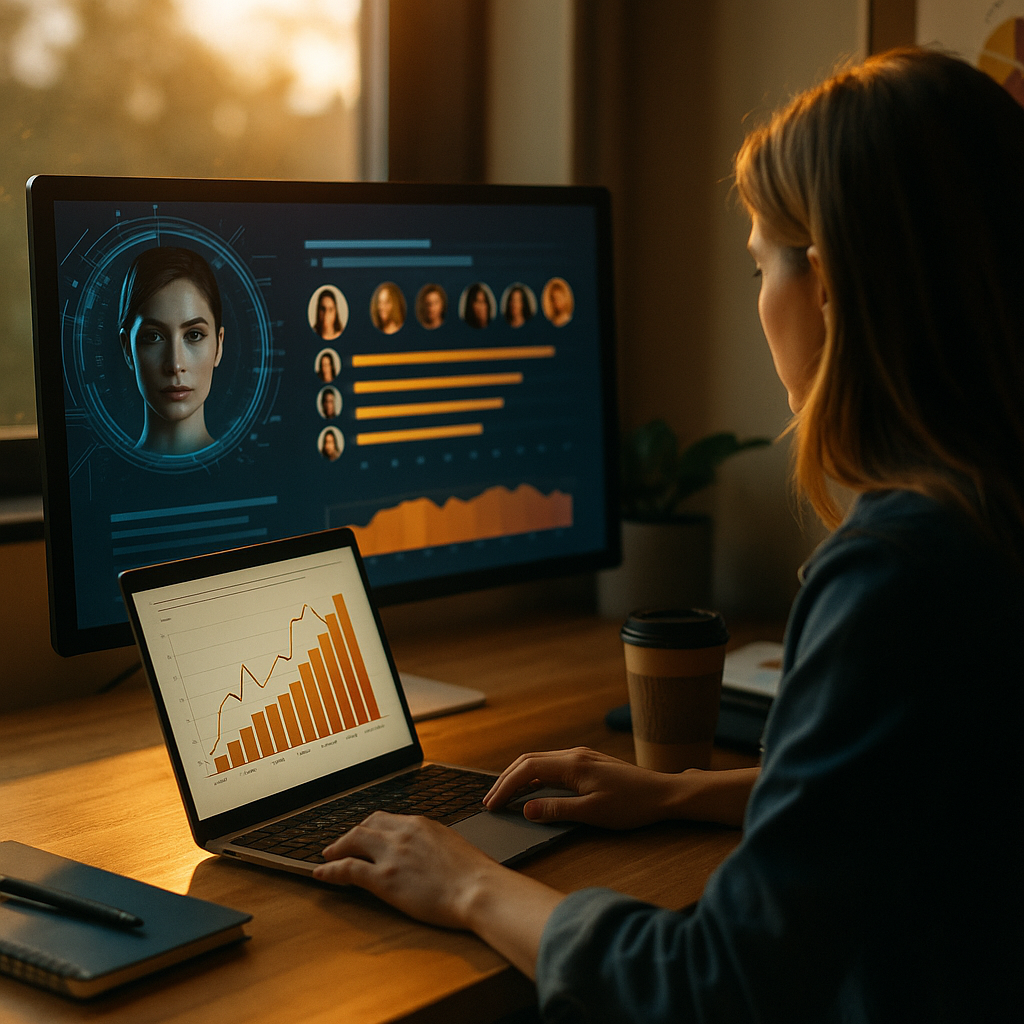
AI tools for mapping creator influence spread are revolutionizing digital marketing and social analysis in 2025. These powerful platforms leverage artificial intelligence to track, analyze, and visualize how creators impact online conversations and brand reach. Curious how emerging technology is shaping influencer strategies? Discover how AI reveals the real ripple effect of content creators today.
Understanding Creator Influence: The Role of AI Tools
In the fast-evolving world of content creation, understanding a creator’s true influence involves much more than counting likes or followers. Modern AI-powered mapping tools assess not just direct audience numbers but also examine the nuanced ways content is shared, referenced, and drives conversation across digital platforms.
These tools utilize natural language processing (NLP), machine learning, and big data analytics. By tracking content flow and interaction—from the original post to secondary mentions and syndications—AI provides a multi-dimensional view of creator impact.
Why does this matter? Knowing the spread of creator influence helps brands target authentic voices, measure real-time campaign impact, and identify rising stars in niche communities. For creators, these insights inform smarter collaborations, content strategies, and monetization decisions.
Key Features of Advanced Influence Mapping Software
Today’s top AI tools for mapping creator influence spread share several standout features that set them apart in 2025:
- Dynamic Network Visualization: Interactive, real-time maps show how content ideas travel from creators to audiences, revealing influence pathways not visible through basic analytics.
- Sentiment Analysis Capabilities: AI goes beyond tracking reach—tools analyze emotional tone and the context of shares, measuring not just the amount but also the quality of engagement.
- Demographic & Psychographic Insights: These platforms segment audience data to depict who is influenced, enabling precise targeting by age, interest, location, or even purchasing behavior.
- Trend Prediction Algorithms: Machine learning models forecast which creators or content types are likely to spark viral trends, giving brands a predictive edge.
- Cross-Platform Integration: Effective tools seamlessly aggregate data from YouTube, TikTok, Instagram, X, Twitch, podcasts, and even niche forums, providing a holistic influence map.
Such robust feature sets empower marketers, agencies, and creators with actionable and granular influence intelligence, directly supporting campaign optimization and strategic planning.
Choosing the Right AI Tool: What to Consider
With the rising tide of influence analysis tools in 2025, selecting the right platform requires careful evaluation. EEAT (Experience, Expertise, Authoritativeness, Trustworthiness) best practices recommend focusing on:
- Data Coverage: Does the solution cover all platforms relevant to your industry or target audience?
- Accuracy and Transparency: Are the algorithms and sources explainable? Do they mitigate biases and offer confidence scores for influence data?
- Custom Reporting: Can the tool customize reports for your objectives, such as benchmarking against competitors or flagging micro-influencer opportunities?
- Privacy and Compliance: With evolving privacy regulations, ensure any AI tool operates within the boundaries of data protection laws like GDPR and CCPA.
- User Interface: Is the platform intuitive? Can both specialists and non-experts use its dashboards effectively?
Evaluating tools along these criteria helps organizations secure reliable influence insights and foster data-driven decisions, while avoiding ethical or operational missteps.
Real-World Applications of AI Influence Mapping in 2025
The adoption of AI-driven influence mapping is transforming multiple industries:
- Marketing & Advertising: Brands deploy AI tools to pinpoint which creators drive purchase intentions, crafting bespoke influencer campaigns that outperform traditional ads.
- Media & Journalism: Newsrooms employ influence mapping software to trace how information spreads, identifying key amplifiers and potential sources of misinformation quickly.
- Public Relations: PR teams quantify the impact of launches, statements, or crises by mapping real-time amplification and sentiment shifts across the web.
- Nonprofits & Advocacy: Organizations harness these tools to locate grassroots voices and optimize awareness initiatives or fundraising efforts.
- Entertainment & Gaming: Entertainment companies see which streamers or TikTokers drive the most buzz—and tailor partnership strategies accordingly.
Across these sectors, AI-powered mapping translates complex web interactions into meaningful, measurable influence metrics at scale.
Protecting Data Integrity: Ensuring Trust with AI Analysis
Reliability in AI-generated influence maps hinges on strong data governance and transparent methodologies. Responsible platforms use the following measures:
- Regular audits of AI models to counteract bias and ensure results accurately reflect true influence patterns
- Open disclosures of data sources, collection methods, and algorithmic updates
- Integration of third-party validation and cross-checking against control data sets
- Clear opt-out mechanisms and compliance with user consent frameworks
Pro tip: Always review an AI tool’s transparency documentation before adoption, and regularly assess its outputs for continued accuracy given fast-changing social media landscapes.
The Future of AI-Driven Influence Mapping
As we move further into 2025, AI tools for mapping creator influence spread are becoming highly sophisticated. Advancements in generative AI, federated learning, and real-time analytics will soon enable on-the-fly “influence heatmaps” for any topic or brand.
Furthermore, expect tightening integration with social commerce solutions, allowing brands to correlate influence signals directly with sales conversions. AI’s ability to parse long-form video and voice content for influence mapping—previously a major hurdle—means the technology is now truly cross-format.
For both creators and organizations, these leaps signify a critical shift: influence, once a nebulous metric, is now tangible, measurable, and directly actionable.
FAQs: AI Tools For Mapping Creator Influence Spread
- What is creator influence mapping?
Creator influence mapping is the process of tracking and analyzing how content creators impact digital conversations, audience behavior, and broader cultural trends across multiple platforms. - How do AI tools improve influence mapping?
AI tools automate the process, analyze massive data sets, detect hidden influence pathways, and provide real-time, cross-platform insights that manual methods can’t match. - Are AI influence maps accurate?
Top-tier AI tools in 2025 show high accuracy, especially when they use transparent methodologies and continually update their data sources and models to reflect real-world changes. - Can brands customize influence maps for their needs?
Yes. Most advanced AI platforms offer custom dashboards, report templates, and filters for tailored analyses based on campaign goals, industries, or audience types. - How is data privacy maintained in influence mapping?
Providers follow strict data privacy laws, employ anonymization techniques, secure user consent, and regularly audit their data practices to ensure compliance and build trust.
In conclusion, AI tools for mapping creator influence spread provide unprecedented clarity and precision in the digital ecosystem. By leveraging these solutions, brands and creators can make smarter, data-driven choices—and ensure their strategies align with true audience impact in 2025 and beyond.