


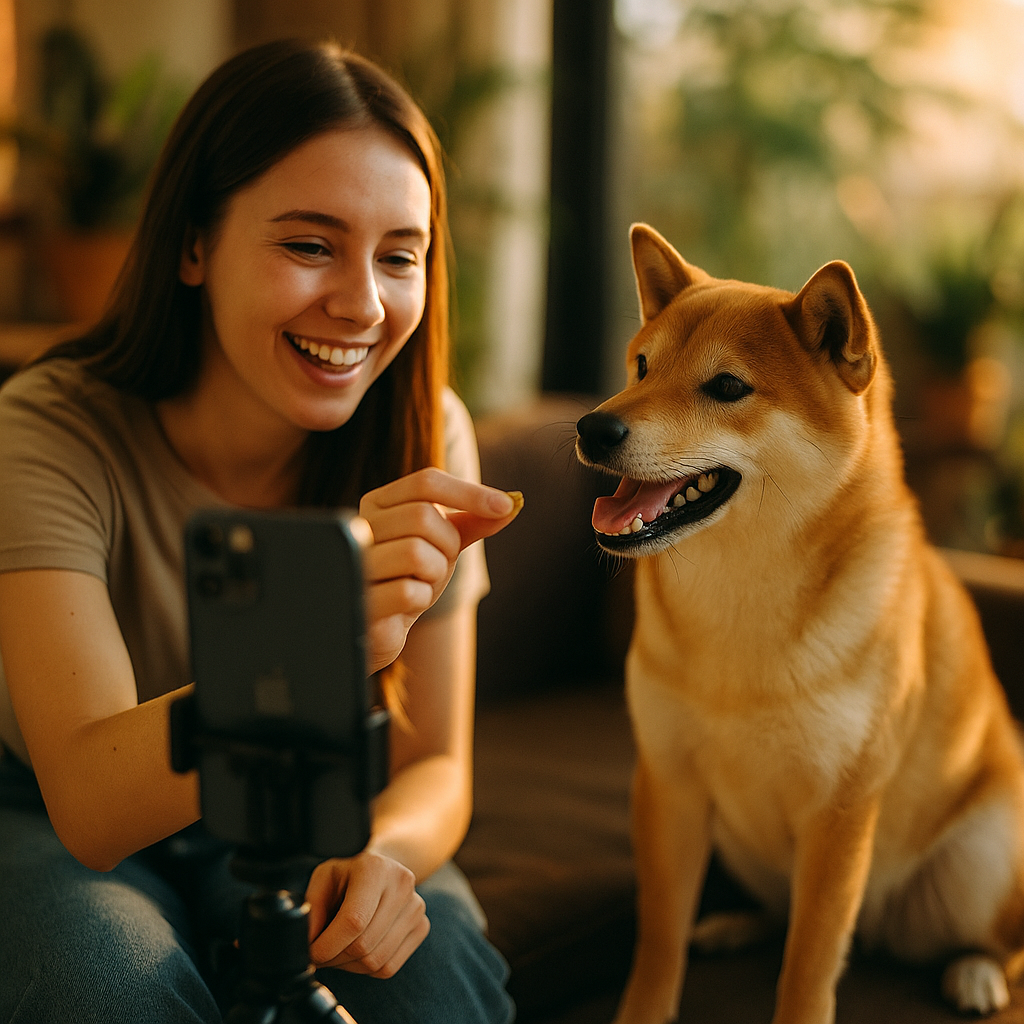
The pet industry has seen remarkable growth, and at the heart of this revolution are animal influencers captivating millions online. The power of animal influencers shapes consumer trends, drives brand success, and connects pet lovers worldwide. Dive in to discover how furry celebrities are changing the pet industry—and how brands and owners benefit from this unique digital movement.
The Rise of Animal Influencers in the Pet Industry
Social media platforms like Instagram, TikTok, and YouTube have created a new breed of celebrity—animal influencers. These pets, often managed by devoted owners, amass huge follower counts for their charm, antics, and relatable personalities. In 2025, top pet accounts can reach upwards of 10 million followers, shifting how brands and consumers view animal content.
This rise began with viral pet videos, but today’s animal influencers represent carefully curated online brands. Influential dogs, cats, and even exotic pets partner with companies for product endorsements, apparel launches, and charitable campaigns. According to Grand View Research, the global pet care market is projected to continue its steep growth, much of it fueled by digital engagement with animal influencers.
- Brands observe higher trust and engagement rates with animal accounts compared to traditional influencer campaigns.
- Pet influencers appeal to diverse audiences, bringing humor, cuteness, and a sense of community.
- Animal stars help destigmatize rescue and adopted pets, raising awareness and driving adoption rates.
Monetizing Pet Fame: Brand Partnerships and Sponsored Content
Brands increasingly tap into the power of animal influencers for partnerships. From pet food and toys to tech and lifestyle products, animal influencers lend authenticity to marketing messages. Sponsored posts and collaborations are key revenue streams for pet owners in 2025, with some top pets generating six-figure incomes annually.
Sponsored content takes many forms:
- Product reviews or unboxings featuring pet reactions
- Creative photo shoots using branded apparel or accessories
- Short-form videos demonstrating pet care products or treats
According to a recent Influencer Marketing Hub survey, animal posts generate engagement rates up to 30% higher than average lifestyle or celebrity accounts. Pet influencer campaigns typically yield higher ROI, as audiences perceive recommendations as genuine, leading to strong trust and increased brand loyalty.
The Impact of Animal Influencer Marketing on Consumer Buying Habits
Animal influencers don’t just entertain; they influence consumer decisions. As digital trust increases, pet lovers look to their favorite animal accounts for authentic product recommendations. A 2025 Pet Buyer Insights Report revealed that 48% of pet owners have purchased an item due to seeing it with a pet influencer.
The influence is strongest in the pet care and accessories market, where pets demonstrate product use in authentic scenarios. Additionally, human lifestyle brands are tapping pet influencers to reach broader demographics—millennials, Gen Z, and even older shoppers. Transparent, engaging content showing pets thriving with specific products seals the deal for buyers seeking trusted advice.
- Real-life demonstrations lower the barrier for product trial.
- Micro-animal influencers—those with 10,000 to 100,000 followers—see particularly high conversion rates due to niche audience trust.
For brands entering the pet market, collaborating with animal influencers accelerates reach, fosters authentic connections, and boosts credibility among discerning audiences who value ethical, experience-driven choices.
Authenticity and Ethics: Building Trust With Audiences
Today’s audiences are savvy. Authenticity is crucial for animal influencers and the brands that work with them. Pet accounts that transparently disclose sponsored collaborations and display genuine pet welfare engender greater trust and loyalty. In 2025, platforms like Instagram and TikTok have tightened rules on sponsorship transparency, with clear tagging of promotional content now a standard practice.
Responsible animal influencers put their pets’ well-being before profit:
- Promoting only safe, vet-approved products
- Limiting stressful activities or environments
- Partnering with brands that support animal welfare or rescue initiatives
Audiences respond strongly to ethical choices, rewarding honest influencers with higher engagement and supporting causes championed by pets. Brands likewise benefit when they align with influencers committed to transparency, responsible pet care, and giving back to animal communities.
How Pet Owners Can Turn Their Animals Into Influencers
Driven by the success stories of viral pets, more people hope to transform their companions into internet stars. While animal influencer stardom takes dedication, authenticity, and creativity, it remains accessible to anyone willing to invest time and care. Here are expert-recommended steps for aspiring pet influencer owners:
- Develop a unique persona: Focus on what sets your pet apart—quirky habits, striking appearance, or a distinctive backstory.
- Invest in quality content: Consistent, visually appealing photos and videos drive engagement and follower growth.
- Engage with followers: Think community first. Reply to comments, host giveaways, and collaborate with other pet lovers.
- Pursue ethical partnerships: Research brands carefully, and only endorse products aligned with your pet’s needs and values.
- Practice responsible pet care: Make your animal’s well-being and comfort the highest priority.
The best animal influencers feel like genuine companions to their digital audience. This authenticity—paired with responsible marketing—fuels long-term growth, meaningful influence, and new opportunities for pets, owners, and brands alike.
The Future of Animal Influencers in the Pet Industry
As digital media evolves and the pet industry expands, the role of animal influencers is poised to grow even further in 2025 and beyond. New platforms, interactive technologies, and immersive experiences will open doors for creative collaborations. Virtual and augmented reality may soon enable fans to interact with their favorite pet influencers in lifelike ways.
- Brands will innovate new products inspired by influencer pets’ unique traits and communities.
- Increased focus on pet mental health and ethical digital exposure will further shape content strategies.
- Animal influencers will drive not just product trends, but also advocacy and charitable giving worldwide.
For brands, staying ahead means investing in authentic pet influencer partnerships and prioritizing ethical marketing. For pet owners, the influencer world offers joy, connection, and the chance to share your animal’s story with the world.
FAQs: Animal Influencers and the Pet Industry
-
What qualifies a pet as an influencer?
A pet is considered an influencer if it commands a sizable, engaged following on social media and has the power to impact buying decisions or brand perceptions through authentic, creative content.
-
How do animal influencers earn income?
Pets earn through sponsored posts, product endorsements, branded merchandise, event appearances, and occasionally digital content sales or licensing deals. Income varies widely based on following size and engagement.
-
Are there ethical concerns with animal influencers?
Yes. Responsible owners prioritize their pets’ well-being, ensure honest sponsorship disclosure, and avoid unsafe, stressful, or exploitative content creation. Ethical partnerships are increasingly important to audiences and brands.
-
How can brands work with animal influencers?
Brands can partner by sending products for review, sponsoring posts, or creating collaborative campaigns. The most effective partnerships value authenticity, transparency, and alignment with pet-centric values.
-
Is it too late to start a pet influencer account in 2025?
No. While competition has grown, unique stories, creative content, and genuine audience engagement still pave the way for new, successful animal influencers in the pet industry.
In summary, animal influencers are transforming the pet industry, shaping consumer habits, and promoting responsible pet care. By blending authenticity, ethical partnerships, and creative storytelling, brands and owners alike can harness the power of animal influencers for long-term success and positive impact in 2025 and beyond.