


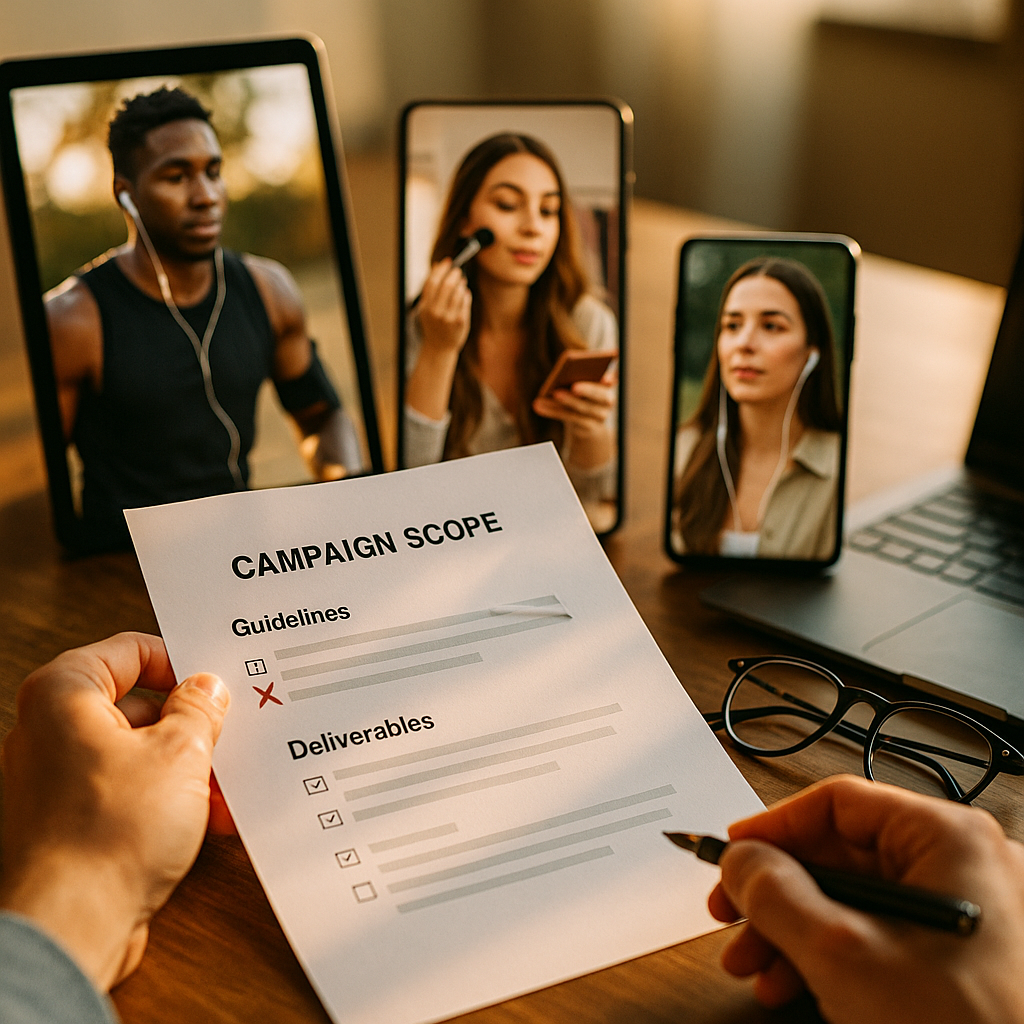
As multi-creator collaborations rise in popularity, brands face unique compliance mistakes in multi-creator campaign scopes. Each creator adds complexity, risk, and unique legal issues to manage. Understanding the most common pitfalls—and how to sidestep them—proves essential for marketers, agencies, and creators alike. Ready to learn how to keep your campaigns legally sound and effective?
Understanding Campaign Scope: Defining Roles and Expectations
Clear campaign scope is essential in any project, but in multi-creator campaigns, ambiguity breeds compliance risks. Brands sometimes provide vague briefs or fail to specify deliverables, timelines, and approval processes. When multiple creators are involved, overlapping responsibilities or conflicting interpretations further complicate matters.
Key compliance mistakes often include:
- Failing to establish who owns content copyright
- Lack of transparency about brand guidelines or mandatory disclosures
- Insufficient instructions around data privacy and creator responsibilities
To ensure everyone is on the same page, supply detailed briefs, clarify IP ownership, and specify all legal requirements from the outset. Upfront clarity helps prevent downstream compliance headaches and maintains trust with all parties.
Disclosure and Transparency: FTC Guidelines for Influencer Partnerships
Another recurring compliance mistake is overlooking disclosure requirements. As of 2025, the Federal Trade Commission (FTC) and international regulators remain strict about transparent relationships between brands and creators. All creators, regardless of their country or platform, must disclose paid partnerships clearly and conspicuously.
Common pitfalls include:
- Using ambiguous hashtags like #sp or #collab instead of #ad or #sponsored
- Failing to ensure all creators use correct disclosures on every platform and format
- Assuming responsibility lies solely with the creator, instead of the brand or agency overseeing the campaign
Brands managing multi-creator campaigns should implement a standardized disclosure process, educate all collaborators, and regularly monitor posts for compliance. Ignoring these rules can lead to fines, reputational damage, and broken trust with consumers.
Content Rights and Intellectual Property: Avoiding Ownership Pitfalls
Intellectual property (IP) remains one of the most contested areas in influencer marketing. With multiple creators involved, confusion about content ownership is common—and costly. If agreements don’t specify who retains copyright or usage rights, disputes can arise if content is reused, altered, or syndicated.
Best practices include:
- Drafting written agreements for each creator that address content usage, duration, platforms, and geographic scope
- Obtaining necessary releases for music, images, or third-party content
- Ensuring creators understand the scope of the campaign and what happens with their content post-campaign
Proactive IP management reduces the risk of costly legal challenges and keeps brands compliant with both national and international copyright laws.
Data Privacy and Consumer Protection: Abiding by Global Standards
Multi-creator campaigns often involve exchanging personal data, whether it’s on creators themselves, contest participants, or engaged audiences. Compliance with data privacy laws—GDPR in Europe, CCPA in California, and similar regulations worldwide—cannot be overlooked.
Key mistakes in this area include:
- Collecting or sharing audience data without proper consent mechanisms
- Failing to anonymize or encrypt sensitive information
- Assuming international creators or audience members don’t require the same safeguards
Brands must update privacy policies, audit data usage, and train creators on regional compliance standards. Doing so protects the business from legal action and enhances trust among creators and consumers alike.
Contractual Issues and Payment Terms: Setting the Standard
Multi-creator campaign scopes can unravel quickly if contracts lack detail. Disputes over payment schedules, milestone deliverables, revision requests, and termination clauses are common, particularly when a campaign involves influencers from multiple countries or agencies.
Top compliance mistakes in contracts:
- Generic, one-size-fits-all agreements that ignore project specifics
- Vague or absent conflict resolution frameworks
- Unclear payment terms, leading to late payments or disagreements
To avoid misunderstandings, brands should develop custom agreements for each creator, specify all commercial terms in writing, and use digital tools to track contract fulfillment. An organized approach to contracts safeguards both the brand and the creators’ rights.
Monitoring, Reporting, and Post-Campaign Compliance
Campaign compliance doesn’t end with the final post. Brands often slip up by failing to monitor ongoing creator activities or neglecting follow-up obligations after campaigns conclude. Consistent auditing—across platforms and geographies—ensures legal standards continue to be met.
Areas that require ongoing attention:
- Archiving creator content for legal documentation
- Monitoring sponsored content for proper disclosure weeks or months after posting
- Reviewing creators’ ongoing use of campaign content or trademarks
Structured monitoring reduces risk, enables rapid response to compliance breaches, and demonstrates a brand’s commitment to ethical marketing practices.
Conclusion: Proactively Preventing Compliance Mistakes
Reducing compliance mistakes in multi-creator campaign scopes requires proactive planning, clear contracts, standardized disclosures, and diligent monitoring. By implementing these best practices, brands protect their reputation, finances, and relationships. Effective compliance is a competitive advantage—prioritize it in every multi-creator campaign for seamless, legally sound marketing.
FAQs: Compliance Mistakes in Multi-Creator Campaign Scopes
-
What is the most common compliance mistake in multi-creator campaigns?
The most frequent error is failing to ensure clear, standardized disclosures from every creator, which may violate advertising guidelines and damage consumer trust.
-
Who is responsible for legal compliance—the brand or the creators?
Both share responsibility. While creators must follow rules when posting, brands and agencies are responsible for setting clear expectations and monitoring compliance across all collaborators.
-
How can brands avoid copyright issues in multi-creator campaigns?
By establishing written agreements that specify content ownership, usage rights, and any licensing of third-party materials, brands can prevent most IP disputes before they arise.
-
What happens if a creator fails to properly disclose a partnership?
This can lead to regulatory fines, negative publicity, and even legal claims against both the creator and the brand. Consistent training and monitoring are essential to prevent these issues.
-
Are international data privacy laws relevant in influencer campaigns?
Yes. If a campaign involves creators or audiences from different jurisdictions, brands must comply with all relevant regulations, such as GDPR or CCPA, to avoid fines and maintain consumer trust.