


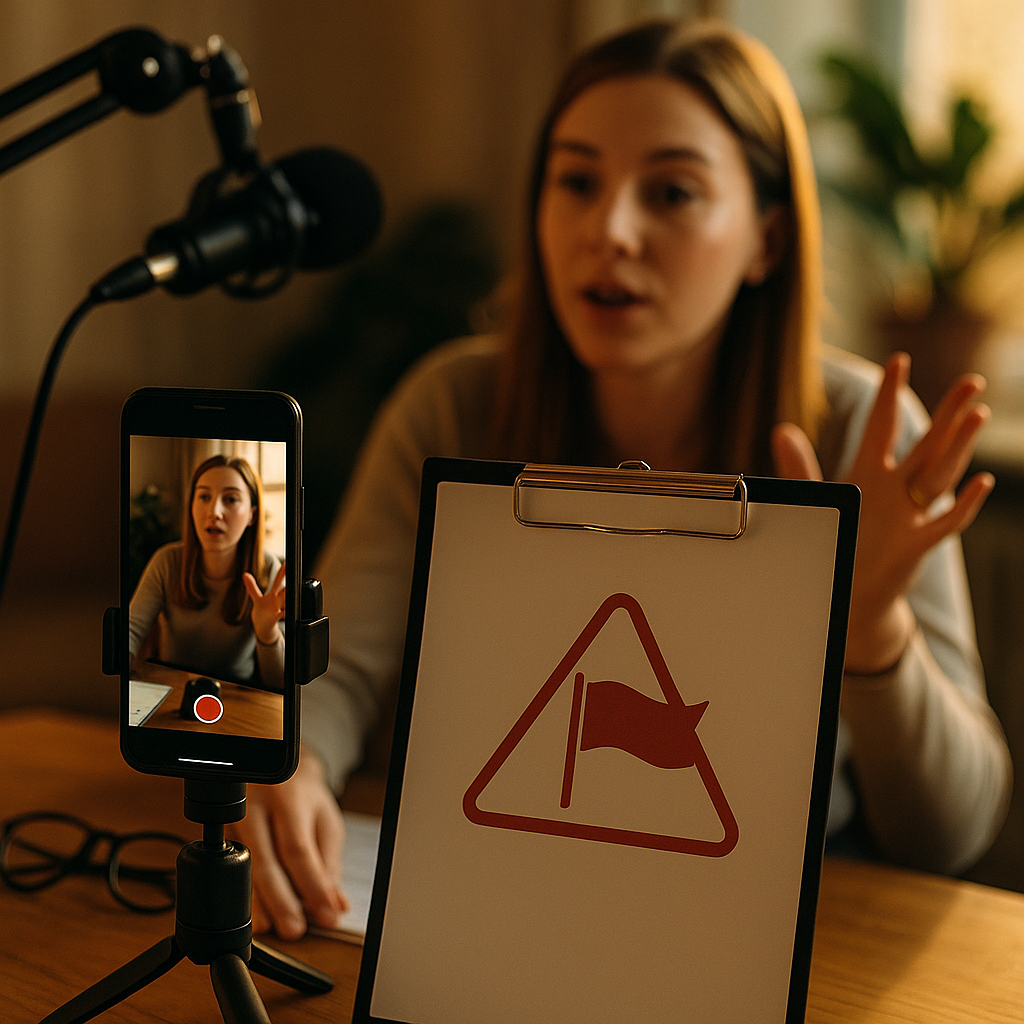
User-generated creator ads are a powerful marketing tool, but ensuring compliance in this space is more challenging than ever. Compliance red flags in user-generated creator ads can lead to regulatory scrutiny, brand reputation damage, and financial penalties. Learn how to safeguard your campaigns and avoid common pitfalls—before you’re caught off-guard.
Understanding Compliance in User-Generated Creator Ads
As user-generated creator ads continue to dominate social media and digital marketing in 2025, compliance has emerged as a critical concern for brands and creators alike. But what does compliance mean in this context? It’s not just about following platform rules—compliance extends to legal regulations, industry standards, and ethical best practices. The stakes are high: violations risk enforcement actions by authorities like the Federal Trade Commission (FTC), the European Data Protection Board, and more, along with reputational harm. Understanding compliance sets a strong foundation for campaign safety and longevity.
Undisclosed Sponsorships: The Most Common Red Flag
Failure to disclose sponsored content remains the number one compliance red flag in user-generated creator ads. According to a 2025 Statista survey, 72% of consumers feel misled when sponsorships are not clear. Regulators require clear and conspicuous disclosure whenever there’s a material connection between brand and creator. This means generic hashtags like #sp or ambiguous language don’t cut it anymore. Instead, use unambiguous statements like “Paid partnership with [Brand]” at the beginning of the post. Always train creators to meet the current disclosure guidelines for every relevant market.
False Claims and Lack of Substantiation
Another leading risk in user-generated creator ads is the presence of false, unsubstantiated, or exaggerated claims. In 2025, regulators are cracking down on any claims that are not factual and verifiable, especially for industries like health, beauty, and finance. Creators must avoid:
- Making statements that can’t be supported with scientific evidence.
- Implying results that most users won’t achieve.
- Referencing unverifiable statistics or testimonials.
Brands should provide creators with approved facts and data, and implement review processes to verify every claim before publication. Documenting substantiation behind all statements will protect brands and creators against legal action and block potential compliance red flags.
Privacy and Data Protection Concerns
Privacy breaches are a growing compliance risk in the realm of user-generated creator ads. With evolving regulations like the GDPR, CCPA, and the latest federal privacy policies from 2025, brands must ensure creators avoid:
- Collecting or sharing users’ personal data without proper consent.
- Filming or photographing individuals without permission.
- Sharing geolocation or other sensitive information inadvertently.
Provide clear privacy guidelines for your creator partners and require them to obtain explicit consent before featuring anyone or sharing data. Brands should also stay updated on new privacy laws affecting influencer campaigns across different regions.
Intellectual Property Infringement in Creator Content
Intellectual property (IP) violations—including unauthorized use of music, images, or trademarks—are a significant compliance red flag in user-generated creator ads. Social platforms in 2025 have enhanced detection algorithms, leading to rapid takedowns and penalties for infringing content. Protect your campaigns by:
- Ensuring creators only use media they own or have licensed.
- Providing access to approved brand assets, music, and footage.
- Educating creators about copyright and trademark regulations in relevant markets.
Consider implementing pre-publication checks using current IP monitoring technologies to minimize infringement risks and demonstrate due diligence in compliance management.
Misleading Editing and Manipulation in User-Generated Ads
Photo and video manipulation can cross the line into deceptive advertising—another major compliance red flag. In 2025, authenticity is not just a trend but a regulatory expectation. Technologies now detect manipulated visuals and flag misleading before-and-after content. Avoid compliance pitfalls by:
- Prohibiting digital alterations that exaggerate effects or conceal realities.
- Clearly labeling content using virtual try-on or augmented reality tools.
- Disclosing any use of filters, retouching, or enhancements.
Authentic content builds trust with audiences and keeps brands in line with evolving advertising standards. Audit your creator partnerships regularly to ensure no misleading editing occurs.
Best Practices For Ongoing Compliance Management
Navigating compliance in user-generated creator ads demands a proactive strategy. The most effective brands in 2025 deploy a multi-layered approach that includes:
- Creator Education: Regular training on legal, ethical, and platform-specific requirements.
- Automated Compliance Tools: Use AI-powered solutions for pre-screening and monitoring content.
- Brand Review Processes: Set up clear review and approval workflows before any ad goes live.
- Documentation: Keep records of disclosures, permissions, and content checks.
- Adaptability: Stay alert to regulatory updates and industry trends.
Building a culture of compliance is not just about avoiding red flags—it’s about fostering transparent, trustworthy relationships with consumers and partners alike.
Conclusion: Stay Ahead of Compliance Red Flags
The landscape of compliance red flags in user-generated creator ads is more complex than ever. Prioritize education, thorough checks, and clear communication to minimize risks. By embedding robust compliance processes, brands can turn regulatory challenges into opportunities for trust and long-term success in the creator economy.
FAQs: Compliance Red Flags in User-Generated Creator Ads
-
What is the biggest compliance risk in creator ads?
The biggest risk remains failure to disclose sponsorships clearly and prominently, risking regulatory penalties and damaging trust.
-
How can brands help creators avoid compliance issues?
Brands should provide detailed guidelines, approved content, ongoing training, and use automated monitoring tools to catch violations early.
-
Are AI tools reliable for compliance checking in 2025?
AI compliance tools are increasingly effective but should always be supplemented by human review for nuanced cases and evolving regulations.
-
What are the consequences of ignoring compliance red flags?
Consequences include regulatory fines, content takedowns, account bans, and significant reputational harm for both creators and brands.
-
Do small brands or micro-influencers need to worry about compliance?
Absolutely. Regulators enforce rules regardless of audience size, and all parties risk penalties if compliance lapses.