


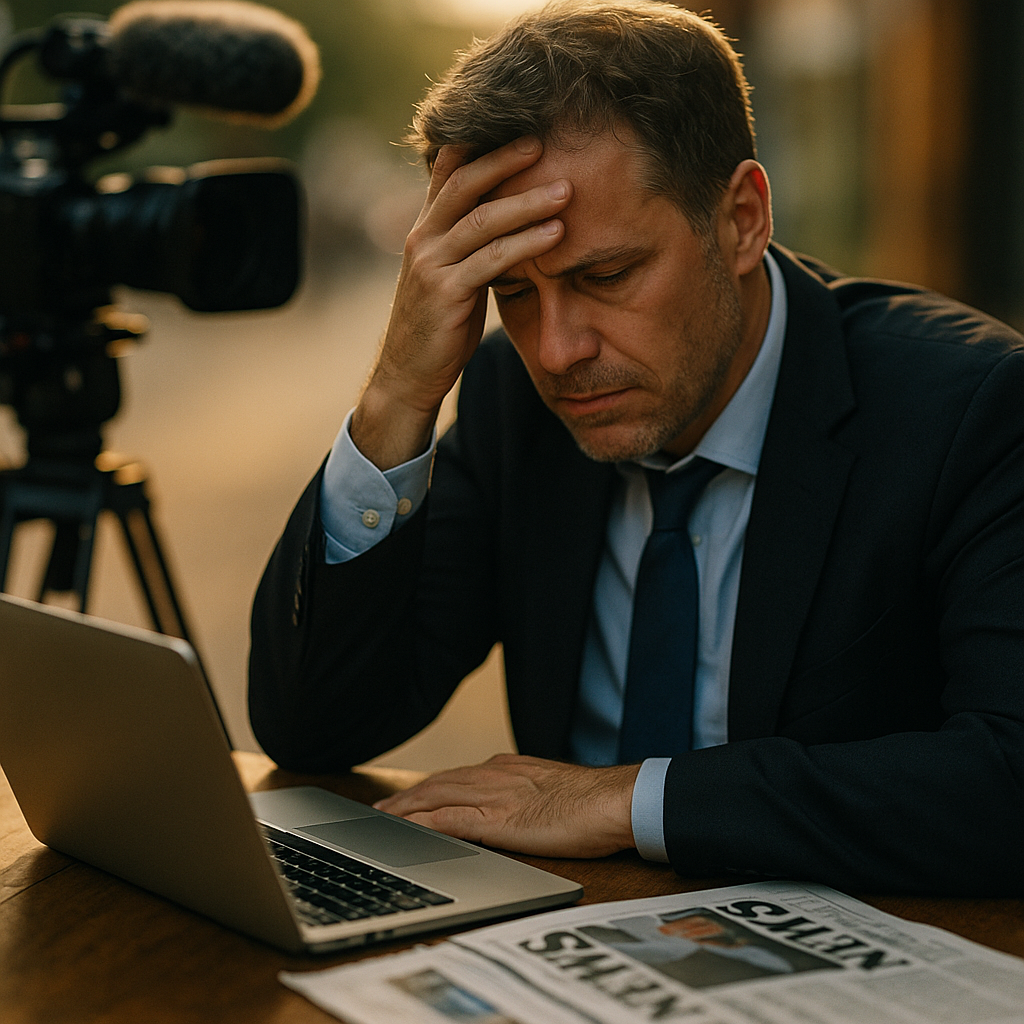
A failed public relations initiative can have lasting implications for a brand’s credibility. When a PR campaign results in negative press coverage, the repercussions go beyond headlines—they can reshape customer trust, stakeholder confidence, and industry reputation. Explore how and why PR efforts derail, and learn how professionals can salvage a campaign gone wrong.
Understanding Why PR Campaigns Fail: Common Pitfalls in Press Relations
PR campaigns are constructed with the intention of generating positive exposure. However, even well-intentioned efforts can falter, leading to negative press coverage and damaged reputations. What causes these failures? According to a 2025 PR Industry Barometer, over 34% of failed campaigns share similar root issues:
- Poorly Researched Messaging: Failing to fully understand the target demographic or industry context results in tone-deaf communication.
- Mishandling Controversy: Addressing sensitive topics inadequately or in a self-serving way often triggers backlash.
- Lack of Transparency: Withholding information or evading accountability erodes public trust rapidly.
- Unprepared Spokespersons: When spokespeople are not media-trained or briefed on possible queries, messaging falters in interviews.
Further, rapid news cycles magnify errors quickly. The combination of social media virality and digital news can turn a minor misstep into headline news within hours.
Case Study: Negative Press Coverage and Its Ramifications
The aftermath of a poorly executed PR campaign goes beyond a negative news cycle. In a notable 2025 industry case, a tech company seeking to promote new privacy features instead faced accusations of greenwashing and misleading claims. Journalists and influencers scrutinized their communications, and an ongoing narrative of unreliability took root.
- Stock Volatility: Following the bad press, the company’s share price dipped by 12%.
- Customer Distrust: Polling revealed customer trust scores fell by double digits in the weeks after the campaign.
- Employee Attrition: Internal morale suffered, increasing turnover in both PR and engineering departments.
This scenario demonstrates how negative press coverage can inflict lasting financial and reputational damage, while also providing critical lessons for PR professionals.
Learning from Mistakes: Post-Mortem Analysis and Strategic Adjustments
A thorough post-mortem is essential after a PR mishap. Start by conducting a transparent, honest review—not just internally, but where possible, with external stakeholders, including media partners and customer advocates. The key components of this process are:
- Collect Feedback: Aggregate feedback from media, consumers, and frontline staff to understand perceptions and impact.
- Analyze Root Causes: Identify if faulty research, messaging missteps, or delivery breakdowns triggered the negative coverage.
- Map Reputational Impact: Use sentiment analysis tools and social listening to pinpoint the extent and persistence of brand damage.
Once the full scope is understood, reframe your crisis communications strategy and update messaging guidelines. Data shows brands that document and disseminate these learnings internally are 52% less likely to repeat their mistakes within the following two years.
Effective Crisis Management: Restoring Trust After Bad Press
Proactive and transparent crisis management is the fastest way to recover from negative press. In 2025, leading brands follow a set of best practices for effective damage control:
- Rapid Response: Issue timely statements acknowledging the problem, outlining steps for correction, and committing to ongoing updates.
- Authentic Apologies: Where merited, an unambiguous apology from senior leadership reinforces accountability.
- Clear Corrective Action: Detail the changes being made to prevent recurrence, including process or personnel adjustments.
- Consistent Updates: Share progress reports with stakeholders at regular intervals until the issue is fully resolved.
According to a 2025 brand reputation monitor, organizations that follow these principles successfully recover favorability ratings within three to six months, compared to a full year for those that minimize or deflect responsibility.
Building Stronger PR Campaigns: Leveraging Lessons for Future Success
The value of a post-mortem extends beyond a single crisis. To future-proof your PR campaigns, integrate the following strategies:
- Audience-Centric Planning: Use data-driven insights for audience preferences, tone, and timing. Regularly update personas to reflect evolving demographics.
- Media Relationship Building: Invest in authentic, ongoing media partnerships rather than transactional outreach. Treat journalists as collaborators, not just amplifiers.
- Pre-Launch Scenario Planning: Conduct tabletop exercises simulating controversial interpretations or tough lines of questioning before launch.
These disciplines, when embedded in company culture, reduce risk exposure. The best PR professionals treat each campaign as part of a brand’s long-term narrative, not just a standalone event.
FAQs: Negative Press Coverage in PR Campaigns
-
What is a post-mortem in public relations?
A post-mortem is a structured analysis conducted after a PR campaign—successful or failed—to identify what worked, what didn’t, and why. It aims to extract actionable lessons for improvement.
-
How quickly should a company respond to negative press coverage?
Ideally, stakeholders expect a first official response within hours. Delays can allow negative narratives to cement and spread unchecked.
-
Can reputational damage from negative coverage be fully reversed?
With prompt action and transparent communication, trust can largely be rebuilt, though some sentiment may linger. Consistency over time is key to restoring full reputation strength.
-
What tools help analyze the impact of negative press?
Leading tools include sentiment analysis platforms, media monitoring dashboards, and brand health surveys. Social listening platforms also identify emerging opinions and influencers driving narratives.
-
How can organizations prevent similar PR failures in the future?
By documenting findings in a post-mortem, updating guidelines, and fostering a culture of accountability, companies significantly reduce the risk of repeated mistakes.
When a PR campaign results in negative press coverage, the fallout can be significant—but it’s never final. Through diligent analysis, transparent crisis management, and forward-looking strategy, organizations can recover and even strengthen their brand for the future.