


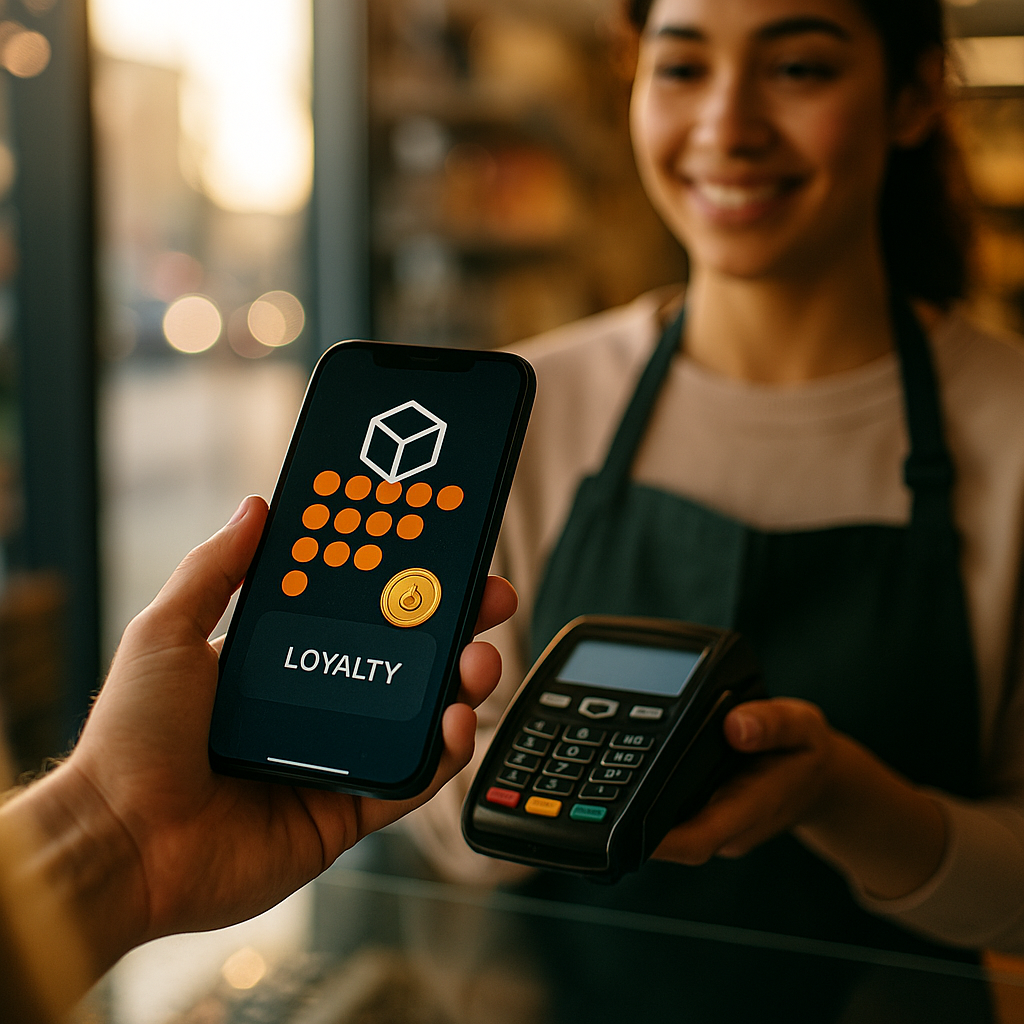
Retail loyalty is being rebuilt around portability, transparency, and real ownership. In 2025, blockchain-based loyalty platforms promise to replace fragmented points with interoperable rewards customers can verify and use across channels. Retail leaders want lower liability, richer first-party insights, and faster innovation without breaking trust. Which platforms actually deliver measurable value, and what trade-offs matter before you commit?
Blockchain loyalty programs: what they are and why retail brands care
Blockchain loyalty programs use a shared ledger to record reward issuance, transfers, and redemptions. Instead of storing all loyalty balances in a single brand database, a platform can represent rewards as tokenized units—often on a permissioned network or a public chain with controlled access—so that transactions are auditable and rules are enforced by code.
Retail brands care for four practical reasons:
- Transparency and auditability: Every point issuance and redemption can be traced, reducing disputes, fraud, and reconciliation work between POS, e-commerce, and partners.
- Interoperability: Rewards can be shared across brands (coalitions), marketplaces, or partner ecosystems with clearer settlement.
- Programmable incentives: Smart-contract-like rules allow tiering, expirations, dynamic offers, and partner funding to be enforced consistently.
- Customer trust and portability: Done well, customers can see balances and eligibility clearly. Done poorly, “crypto complexity” creates friction—so the best platforms hide the technical layer.
A key follow-up question is whether customers must hold crypto wallets. In most retail deployments, they don’t: platforms support custodial wallets, email/phone logins, and familiar UX while still using blockchain infrastructure for integrity and settlement.
Tokenized rewards platforms: how to evaluate vendors in 2025
Not every “blockchain loyalty” pitch solves the same problem. Use this evaluation lens to compare platforms consistently and avoid vendor lock-in disguised as innovation.
1) Customer experience and adoption
- Wallet model: Custodial (brand or vendor managed) vs. user-controlled. Custodial reduces friction but increases your security and compliance responsibility.
- Onboarding: Can a shopper earn and redeem with just a phone number, app login, or receipt scan? Is recovery easy if they lose a device?
- Redemption simplicity: Can rewards be applied at checkout without extra steps? Look for POS-ready flows and clear error handling.
2) Economics and liability
- Breakage and liability accounting: How does the platform support accounting treatment, expiry policies, and reporting for unredeemed balances?
- Transaction fees: Public networks can introduce variable fees; permissioned ledgers can reduce volatility but may limit interoperability. Demand transparent cost models.
- Partner settlement: Coalition programs need automated settlement rules and reporting by partner, SKU/category, region, and campaign.
3) Security, compliance, and governance
- Data privacy: Loyalty data is personal data. Ensure the platform supports minimization, encryption, role-based access, and regional residency requirements.
- Fraud controls: Look for anomaly detection, device fingerprinting, velocity checks, and reversible states for disputed transactions when legally required.
- Governance: Who can change reward rules? Is there multi-approval, audit logs, and separation of duties?
4) Integrations and time-to-value
- Retail stack fit: Prebuilt connectors for POS, e-commerce, CDP/CRM, email/SMS, and customer service tools reduce implementation risk.
- APIs and eventing: Webhooks, real-time events, and clear sandbox environments are strong signals of maturity.
- Identity resolution: Can it unify online and offline identities without exposing sensitive data on-chain?
5) Proof, not promises
Under Google’s helpful content expectations, prioritize vendors that can demonstrate real retail deployments, audited security practices, and measurable outcomes. Ask for references in your category, not just generic “Web3” case studies.
Retail loyalty blockchain solutions: platform categories and notable approaches
The market clusters into a few recognizable categories. Each can work, but the best choice depends on whether your priority is customer engagement, partner ecosystems, or operational integrity.
Category A: Enterprise loyalty suites with blockchain modules
These vendors typically start with traditional loyalty (earn/burn rules, tiers, coupons, CRM integrations) and add blockchain for auditability or partner settlement. They are strongest when you need governance, reporting, and enterprise controls. The trade-off is that token ownership and open interoperability may be limited by design.
Best fit: Multi-store retailers with complex promotions, strict compliance needs, and a requirement to integrate with existing CRM/CDP and POS.
Category B: Web3-native tokenized rewards networks
These platforms focus on rewards as tokens, often enabling transfers, marketplace redemptions, and brand collaborations. They may offer “wallet as a service,” NFT-like badges for status, or cross-brand reward exchanges.
Best fit: Brands aiming for coalition growth, community-driven campaigns, or partner-funded rewards—especially in lifestyle, beauty, and specialty retail.
Watch-outs: Customer support load can increase if the UX leans too heavily on crypto concepts. Ensure the platform can abstract wallet mechanics and handle recovery.
Category C: Settlement and reconciliation layers for coalitions
Some solutions are less about consumer features and more about inter-brand accounting: issuing rewards across partners, reconciling redemption liabilities, and producing auditable settlement reports. For retail groups and marketplaces, this can be the highest-ROI use of blockchain because it reduces manual reconciliation and disputes.
Best fit: Retail ecosystems, marketplaces, franchise networks, and coalition loyalty operators.
Category D: NFT-style membership and access passes
These platforms treat loyalty as membership: access to drops, events, early shopping windows, or services. While not always “points,” they can be powerful for retention when paired with a conventional earn/burn engine.
Best fit: Brands that monetize exclusivity and experiences, and can sustain ongoing benefits beyond the initial launch.
Follow-up question: “Do we have to choose one category?” Not necessarily. Many retailers combine an enterprise loyalty engine with a blockchain settlement layer or add tokenized membership benefits to a standard points program.
Web3 loyalty for brands: practical benefits and real-world constraints
Blockchain adds value when it solves a specific loyalty pain point. The strongest benefits are operational and ecosystem-driven, not cosmetic.
Where blockchain can outperform legacy loyalty
- Fraud and duplication reduction: A shared, tamper-evident record helps prevent double-spend scenarios and speeds investigation.
- Partner-funded rewards: Brands can encode who pays for what, when, and under which campaign conditions, simplifying settlement.
- Cross-channel consistency: When POS, app, and e-commerce all post to the same ledger-backed source of truth, balance disputes drop.
- Composable campaigns: Reward rules can be modular—earn tokens for behaviors (reviews, referrals, repeat categories), then unlock tier perks.
Constraints you must plan for
- Privacy and data minimization: Do not put personal data on-chain. Use references, hashes, or off-chain storage with tight access controls.
- UX complexity: If customers feel they are “managing crypto,” adoption suffers. Prioritize invisible blockchain, familiar redemption, and clear terms.
- Regulatory ambiguity: Token design matters. Avoid structures that resemble speculative instruments. Work with legal counsel on terms, transferability, and promotional disclosures.
- Operational readiness: Customer service must handle balance questions, reversals, and edge cases (returns, partial refunds, chargebacks) reliably.
Answering a common follow-up: “Will blockchain automatically increase loyalty engagement?” No. Engagement rises when the program offers better value, clearer rewards, and more relevant experiences. Blockchain is an enabling layer; your offer strategy still drives outcomes.
Crypto rewards for retailers: integration, security, and governance checklist
Before selecting a platform, validate that it will fit your retail reality: returns, promotions, identity resolution, and strict operational controls.
Integration essentials
- POS and OMS integration: Support earn/burn at checkout, returns handling, partial redemptions, and tender mixing.
- Promotion stack compatibility: Loyalty should not conflict with coupons, employee discounts, or price overrides; the platform should support precedence rules.
- CRM/CDP event feeds: Ensure reward events flow into segmentation and lifecycle messaging, with consent management aligned to your privacy policy.
Security and operational controls
- Key management: If any signing keys exist, verify HSM use, rotation policies, incident response, and administrative access controls.
- Smart contract assurance: If contracts are used, require third-party audits, upgrade policies, and clear rollback/pausing mechanisms.
- Service reliability: Ask for uptime history, SLAs, rate limits, and disaster recovery. Loyalty downtime impacts revenue directly.
Governance and program integrity
- Role-based permissions: Marketing should not be able to mint unlimited rewards without finance approvals.
- Change management: Every rule change should be versioned, auditable, and testable in staging.
- Liability reporting: Finance needs real-time views of outstanding balances, expiry schedules, and partner obligations.
Implementation approach that reduces risk
Start with a limited-scope pilot tied to one measurable goal: reducing reconciliation time in a partner promotion, improving app retention in a specific segment, or increasing redemption frequency. Keep existing loyalty as a fallback until your new flows prove stable across peak trading periods.
Blockchain loyalty use cases in retail: what “good” looks like
Retailers get the best outcomes when blockchain is paired with clear value exchange and operational rigor. These use cases tend to perform well because they solve concrete problems.
1) Coalition loyalty with automated settlement
Multiple brands share an earn/burn currency. Blockchain supports shared visibility and rule enforcement, while automated settlement reduces billing disputes. Success metrics: partner expansion rate, settlement cycle time, and reduced manual adjustments.
2) Tiered membership with verifiable status
Status can be represented as a verifiable credential or tokenized badge that partners recognize. This helps customers keep benefits across channels and reduces “status mismatch” support tickets. Success metrics: tier migration, churn reduction, and customer service contacts per 10,000 members.
3) Returns-aware rewards and anti-fraud incentives
Rewards can be issued in a pending state until return windows pass, cutting abuse. The ledger provides an audit trail when fraud teams investigate. Success metrics: reward leakage rate and time-to-resolution for disputes.
4) Engagement quests that feed first-party data ethically
Customers earn rewards for actions (preferences, product education, feedback) with explicit consent. The best implementations avoid dark patterns, explain why data is collected, and allow opt-outs without punishment. Success metrics: consented data completion, repeat purchase rate, and campaign ROI.
5) Marketplace redemption and partner-funded perks
Instead of limited catalog redemptions, customers can spend rewards on broader partner offers, improving perceived value. Ensure pricing is fair, redemption is instant, and customer support ownership is defined. Success metrics: redemption frequency, average basket lift at redemption, and NPS at reward moments.
FAQs about blockchain-based loyalty platforms
Do customers need a crypto wallet to use blockchain loyalty?
No. Most retail-ready platforms offer custodial wallets tied to an app login, phone number, or email. You can also offer an optional self-custody path for advanced users without making it the default.
Are tokenized rewards considered financial assets?
It depends on design and jurisdiction. Many retailers structure rewards as promotional value with clear terms, limits, and non-cash nature. In 2025, you should involve legal and finance early to confirm accounting treatment, transfer rules, and consumer disclosures.
What is the biggest risk when adopting blockchain loyalty?
Poor customer experience. If earning and redeeming becomes harder than your current program, adoption drops and support costs rise. Choose platforms that hide complexity and integrate cleanly with POS and e-commerce checkout.
Can blockchain reduce loyalty fraud?
Yes, especially for duplicate redemptions, manual adjustments, and partner reconciliation fraud. However, it won’t stop account takeovers by itself—pair it with strong identity, device, and anomaly controls.
How long does implementation usually take?
A focused pilot can launch in weeks if integrations are light and requirements are clear. Full rollout across POS, e-commerce, CRM/CDP, and partners typically takes longer due to testing, governance setup, and edge cases like returns and partial redemptions.
Should we use a public blockchain or a permissioned ledger?
Public networks can improve interoperability and verifiability, while permissioned ledgers can simplify privacy and cost predictability. Many retail programs use hybrid designs: minimal on-chain data with off-chain personal data and controlled access.
What KPIs best measure success?
Track incremental revenue lift, redemption rate, repeat purchase frequency, active member rate, liability/breakage trends, fraud leakage, settlement cycle time (for partner programs), and customer service contacts related to loyalty.
Blockchain loyalty is no longer a novelty in 2025; it is an infrastructure choice that can strengthen trust, partner economics, and operational control when matched to the right use case. Evaluate platforms by customer experience, integration maturity, governance, and measurable outcomes—not buzzwords. The clear takeaway: adopt blockchain only where it reduces friction or cost and improves reward value for customers.