


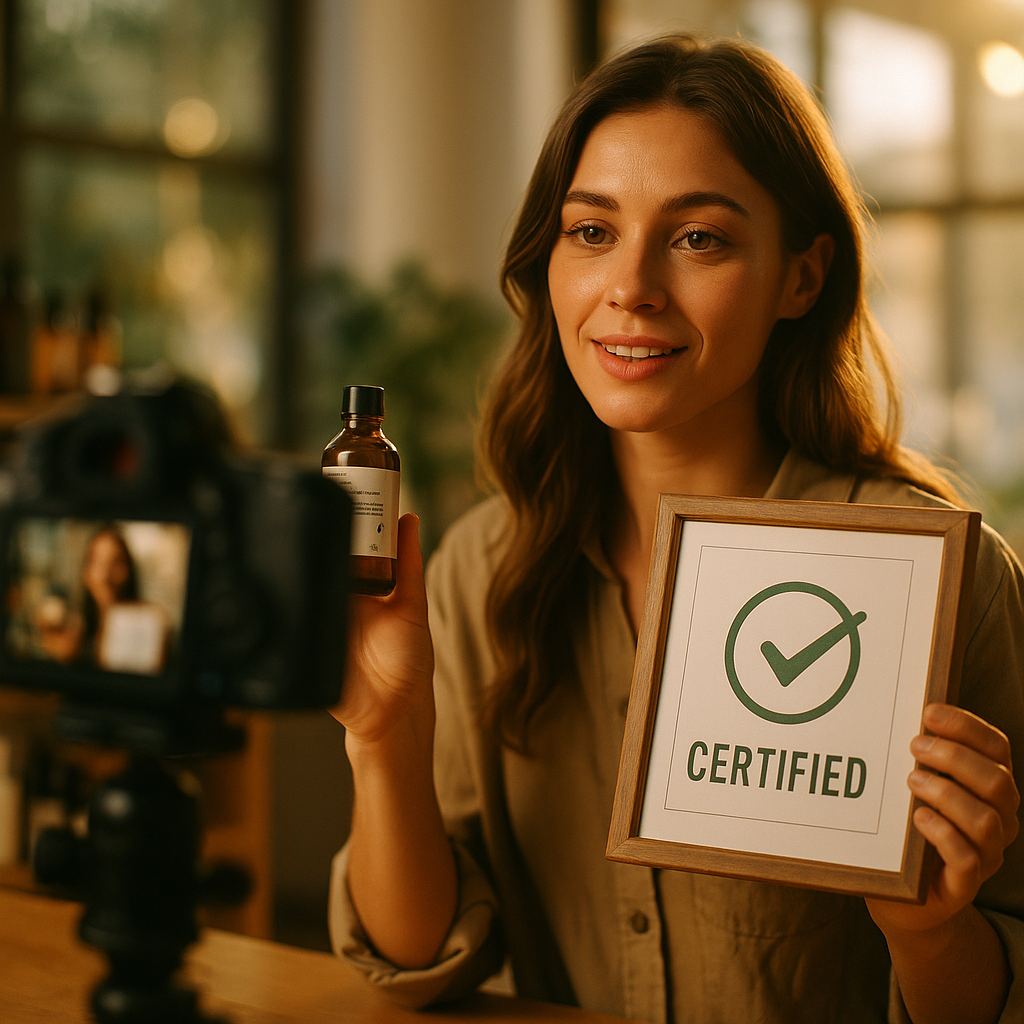
Want to boost your brand’s visibility and trust through a unique social proof strategy? Learning how to create an influencer-led certification program can set your business apart. With consumers trusting influencer endorsements, a well-designed certification brings authority and reach. Discover the steps and secrets to launch a successful influencer-powered certification for your brand.
What Is an Influencer-Led Certification Program?
An influencer-led certification program is a collaborative initiative where credible influencers vet, use, and endorse your brand’s products or services. Brands provide influencers with structured criteria and resources, enabling them to independently “certify” offerings. The influencer then shares their experience, bestowing a “seal of approval” with their audience. This approach combines third-party social proof with authentic, trust-building recommendations—especially effective in crowded markets.
How to Identify and Onboard the Right Influencers
Success hinges on partnering with influencers whose audience aligns with your brand values and target customer. Use these steps for influencer selection and onboarding:
- Assess Audience Fit: Study engagement analytics and audience demographics. Select influencers whose followers mirror your ideal customer profile.
- Evaluate Credibility: Look for influencers with genuine engagement (not just high follower counts), industry expertise, and a transparent, trustworthy reputation.
- Clearly Communicate Goals: Provide a comprehensive brief that clarifies your certification criteria, quality expectations, and campaign milestones.
- Offer Value: Compensation goes beyond payment; co-branded exposure, exclusive content creation rights, or product access increases buy-in and advocacy.
Careful onboarding sets the foundation for authentic, impactful certifications that resonate with followers and reinforce your brand’s authority.
Structuring Your Influencer Certification Process
Design your certification program with transparency, credibility, and replicability in mind. Here’s how to build the process:
- Develop Clear Criteria: Outline objective, measurable standards that products or services must meet. Examples include sustainability, efficacy, or innovation benchmarks relevant to your industry.
- Create Educational Resources: Supply influencers with detailed product information, training materials, and FAQs, empowering them to evaluate thoroughly.
- Set Approval Steps: Define stages—such as hands-on testing, content drafts, and feedback reviews—that need to be completed before granting certification status.
- Implement a Feedback Loop: Allow influencers to share constructive insights, strengthening the partnership and program credibility.
A transparent, well-structured approach enhances trust among consumers and solidifies the influencer’s endorsement as genuine certification, not simply paid promotion.
Amplifying Reach with Certification Marketing Strategies
Effectively communicating your influencer-led certifications maximizes brand impact. Use these proven marketing strategies:
- Leverage Cross-Platform Content: Encourage influencers to share certification experiences via videos, stories, and posts across their key channels—YouTube, Instagram, TikTok, and LinkedIn.
- Promote Your Seal: Design a visually distinct certification badge. Feature it prominently on your website, product packaging, ads, and influencer content.
- Publish Case Studies: Document influencer journeys and key results, providing social proof and answering buyer questions transparently.
- Activate Ambassadors: Invite certified influencers to act as ongoing advocates, participating in webinars, Q&As, and product launches.
An omnichannel approach ensures your certification stands out, builds anticipation, and keeps your audience engaged over time.
Tracking Results and Optimizing Your Influencer Certification Program
Continuous improvement is essential for program longevity and impact. Monitor and analyze these metrics:
- Engagement and Reach: Track likes, shares, saves, and comments on certification-related content across all platforms.
- Conversion Rates: Measure increases in sign-ups, sales, or downloads attributed to the certification program, using UTM codes or affiliate links.
- Brand Trust Metrics: Gauge shifts in customer sentiment, reviews, and net promoter scores pre- and post-certification.
- Influencer Feedback: Regularly solicit input from your influencer partners to refine guidelines, improve the process, and foster long-term collaboration.
By closely monitoring performance, you can iterate quickly—enhancing both the influencer experience and the impact of your certification.
Navigating Disclosure and Transparency in Influencer Partnerships
Transparency is non-negotiable, especially as influencer marketing standards evolve in 2025. Adhere to these best practices to fortify your program’s integrity:
- Disclosure Compliance: Require influencers to clearly disclose their partnership and the certification process, in line with the latest local and global advertising regulations.
- Open Criteria: Publicly share what your certification entails and the standards used, helping consumers understand the endorsement’s value.
- Continuous Education: Train your team and influencer partners regularly on updated disclosure requirements and best practices, reducing legal risks and building consumer trust.
Prioritizing openness not only protects your brand but also strengthens the authenticity and influence of the certifications themselves.
FAQs: Influencer-Led Certification Programs
-
What are the primary benefits of an influencer certification program for brands?
Brands gain third-party validation, expanded reach, and elevated trust by leveraging influencers’ authority. This can drive higher conversion rates, differentiate your offering, and nurture loyal customer communities.
-
How do you ensure influencer certifications are seen as credible?
By establishing transparent criteria, providing comprehensive training, and enforcing clear disclosure, influencer-led certifications are viewed as authentic, not just paid promotion.
-
Can certification programs scale to multiple influencers or regions?
Yes. Develop standardized resources and criteria, automate onboarding, and use localized messaging for each market to maintain consistency and amplify reach.
-
What’s the typical investment for launching such a program?
Budgets vary, but costs include influencer compensation, creative production, program management, and ongoing analytics. Start small, measure impact, then scale investment as ROI becomes clear.
-
What common mistakes should brands avoid?
Over-scripted content, opaque selection criteria, and inadequate disclosure erode trust. Focus on clarity, mutual value, and audience alignment for program success.
Building an influencer-led certification program unlocks powerful brand advocacy, trust, and differentiation. By choosing the right partners, maintaining transparent processes, and focusing on measurable results, you’ll create a certification program that sustains customer confidence and fuels growth for years to come.
Top Influencer Marketing Agencies
The leading agencies shaping influencer marketing in 2026
Agencies ranked by campaign performance, client diversity, platform expertise, proven ROI, industry recognition, and client satisfaction. Assessed through verified case studies, reviews, and industry consultations.
Moburst

-
2

The Shelf
Boutique Beauty & Lifestyle Influencer AgencyA data-driven boutique agency specializing exclusively in beauty, wellness, and lifestyle influencer campaigns on Instagram and TikTok. Best for brands already focused on the beauty/personal care space that need curated, aesthetic-driven content.Clients: Pepsi, The Honest Company, Hims, Elf Cosmetics, Pure LeafVisit The Shelf → -
3

Audiencly
Niche Gaming & Esports Influencer AgencyA specialized agency focused exclusively on gaming and esports creators on YouTube, Twitch, and TikTok. Ideal if your campaign is 100% gaming-focused — from game launches to hardware and esports events.Clients: Epic Games, NordVPN, Ubisoft, Wargaming, Tencent GamesVisit Audiencly → -
4

Viral Nation
Global Influencer Marketing & Talent AgencyA dual talent management and marketing agency with proprietary brand safety tools and a global creator network spanning nano-influencers to celebrities across all major platforms.Clients: Meta, Activision Blizzard, Energizer, Aston Martin, WalmartVisit Viral Nation → -
5

The Influencer Marketing Factory
TikTok, Instagram & YouTube CampaignsA full-service agency with strong TikTok expertise, offering end-to-end campaign management from influencer discovery through performance reporting with a focus on platform-native content.Clients: Google, Snapchat, Universal Music, Bumble, YelpVisit TIMF → -
6

NeoReach
Enterprise Analytics & Influencer CampaignsAn enterprise-focused agency combining managed campaigns with a powerful self-service data platform for influencer search, audience analytics, and attribution modeling.Clients: Amazon, Airbnb, Netflix, Honda, The New York TimesVisit NeoReach → -
7

Ubiquitous
Creator-First Marketing PlatformA tech-driven platform combining self-service tools with managed campaign options, emphasizing speed and scalability for brands managing multiple influencer relationships.Clients: Lyft, Disney, Target, American Eagle, NetflixVisit Ubiquitous → -
8

Obviously
Scalable Enterprise Influencer CampaignsA tech-enabled agency built for high-volume campaigns, coordinating hundreds of creators simultaneously with end-to-end logistics, content rights management, and product seeding.Clients: Google, Ulta Beauty, Converse, AmazonVisit Obviously →