


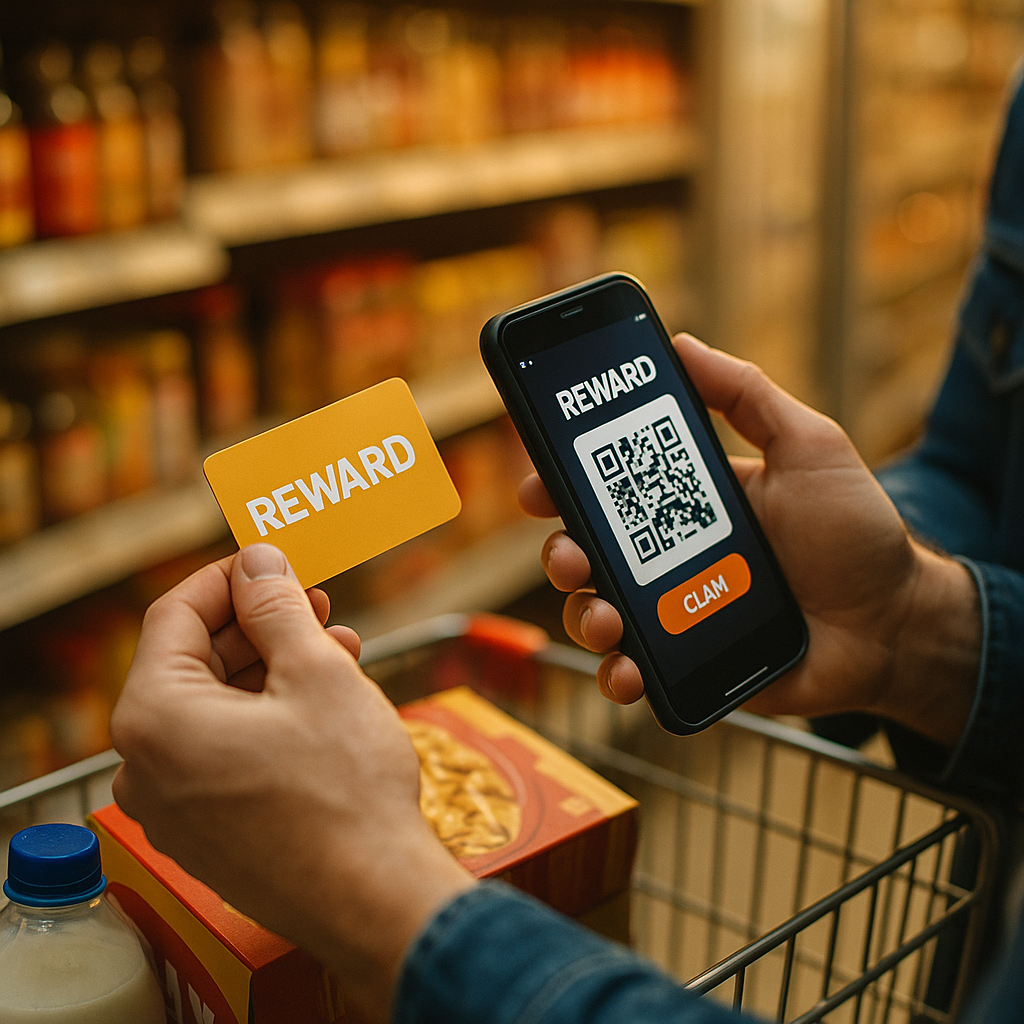
In 2025, retention is the profit lever many CPG teams still underuse. This case study shows how a mid-sized brand used Inchstone Rewards to turn a leaky subscription funnel into a reliable growth engine—without discounting its way into margin erosion. You’ll see what changed, why it worked, and how you can replicate the approach even with limited data and time.
CPG churn reduction: the business problem and baseline
The brand in this case study—an omnichannel CPG company selling pantry staples through its own site, Amazon, and select retail—had a familiar challenge: subscription churn was rising while acquisition costs were becoming less predictable. The team’s finance lead flagged that net revenue retention was flattening despite steady top-of-funnel traffic.
The company tracked churn in two ways to avoid misleading conclusions:
- Logo churn (customers canceling the subscription)
- Revenue churn (monthly recurring revenue lost after accounting for pauses, downgrades, and partial cancellations)
Their baseline problem had three root causes:
- Low second-order momentum: many new subscribers made one repeat purchase, then stopped.
- “Promo-trained” behavior: customers waited for discounts, reducing full-price reorder likelihood.
- Limited post-purchase engagement: after the first shipment, communications were transactional rather than value-driven.
Before selecting any tool, the team documented a simple baseline: churn by cohort (month of first subscription), churn by SKU family, and churn by acquisition channel. That baseline became the yardstick for every test that followed and prevented the common mistake of “improvement” that was really just a seasonal swing.
Subscription retention strategy: why Inchstone Rewards fit
The team evaluated loyalty and retention options through a practical lens: could the program change behavior without requiring constant discounting? They selected Inchstone Rewards because it supported a retention strategy focused on progress, recognition, and timely intervention rather than only coupons.
Three criteria guided the choice:
- Behavior-based earning: points for actions that correlate with retention (second order, on-time renewal, bundle adoption, referral, and review completion).
- Tiered milestones: clear “next step” progress so customers had a reason to stay subscribed beyond product replenishment.
- Churn-risk automation: the ability to trigger offers and messaging when customers showed early warning signals (skipped shipment, reduced frequency, support complaint, or failed payment).
To keep execution realistic, the brand defined a rule: every reward must map to a measurable retention KPI. If a reward couldn’t be tied to a change in churn, reorder rate, AOV, or customer lifetime value, it didn’t ship.
They also aligned incentives with customer experience. Instead of pushing aggressive “save” discounts at the moment of cancellation—which can train customers to threaten cancellation—the program used pre-emptive rewards that made the subscription feel increasingly valuable over time.
Inchstone Rewards implementation: setup, segmentation, and data
The rollout started with an audit of data quality and customer identity across channels. The brand didn’t aim for perfection; it aimed for “good enough to act,” then improved over time. They standardized customer identifiers, aligned subscription events (start, renewal, skip, cancel), and ensured review and referral events were captured consistently.
Next, they created segments that answered specific retention questions:
- New subscribers (0–30 days): highest leverage window for habit formation
- At-risk subscribers: one skip, late payment, or customer support friction in the last cycle
- Multi-SKU households: customers buying across categories who typically churn less
- Deal-driven cohorts: first purchase used a high discount or marketplace promo
The program was implemented with a “single-page clarity” principle: customers had to understand what they earn, why it matters, and what to do next within one screen. The loyalty widget and account area emphasized:
- Current points and next milestone
- One recommended action (e.g., “Add a second item for bonus points”)
- Two redemption options (one immediate, one aspirational)
To maintain trust—an EEAT cornerstone—the brand added transparent terms: points expiration rules, exclusions, and how to contact support. They also made redemption frictionless: no hidden thresholds, no “gotcha” shipping fees, and no confusing coupon stacking.
Finally, they trained customer support with a short playbook. Agents could see loyalty status and issue goodwill points when a delivery issue occurred, turning a negative moment into a retention opportunity without overusing refunds.
Loyalty program for CPG brands: offers, tiers, and lifecycle messaging
The core strategy was to reward behaviors that predict long-term retention and to deliver those rewards at moments when customers make decisions. The team designed tiers that felt achievable, not aspirational to the point of irrelevance.
1) Earning rules that build habit
- Second order bonus: a meaningful points bump for placing the second subscription renewal on time
- Bundle adoption: points for adding a complementary SKU that improves satisfaction (and reduces the chance the customer “gets bored”)
- Review completion: points for verified reviews after the second delivery, when the customer has real experience
- Referral with guardrails: points only after the referred customer completes a second purchase, reducing low-quality referrals
2) Tiers that reinforce progress
Each tier unlocked a mix of monetary and non-monetary value to avoid a pure discount race:
- Free shipping upgrades after consistent renewals
- Early access to new flavors or limited drops
- Priority support for top-tier subscribers
- “Surprise and delight” gifts tied to milestones (e.g., 90-day streak)
3) Lifecycle messaging that prevents churn
The brand mapped messages to customer intent:
- Post-delivery education: usage tips, recipes, and storage guidance to increase product success
- Pre-renewal reminders: a “you’re close to your next reward” nudge 5–7 days before the next charge
- Skip intercept: if a customer tried to skip, they saw alternatives: swap flavors, change cadence, or redeem points for an add-on
- Cancellation flow: customers could choose “pause with points protection” rather than cancel, keeping them connected without pressure
Crucially, the team avoided over-emailing. They used a preference center and respected frequency limits. That restraint improved deliverability and kept loyalty communications credible.
Customer retention metrics: results and what actually moved churn
The brand measured outcomes using cohort analysis, not just overall averages. They tracked the same cohorts pre- and post-launch and compared similar acquisition channels to avoid attributing wins to unrelated factors.
Within two quarters, Inchstone Rewards drove measurable improvements across the funnel. The most important changes were:
- Lower early churn: the biggest drop came from customers who would previously cancel within the first two cycles.
- Higher second-order conversion: the second-order bonus and pre-renewal milestone nudges increased “stickiness” at the exact point churn usually spikes.
- Fewer save-discounts: the team relied less on last-minute coupons at cancellation, protecting margin while improving retention.
- Improved support outcomes: goodwill points reduced repeat complaints and increased the likelihood that a frustrated customer stayed subscribed.
To connect actions to outcomes, they ran controlled tests on three levers:
- Milestone messaging timing: sending the “next reward” reminder 5–7 days before renewal outperformed 1–2 days before renewal, because customers had time to adjust their order.
- Redemption mix: offering a non-discount perk (shipping upgrade or free sample) alongside a coupon increased redemptions without depressing AOV.
- Skip intercept options: “swap” and “change cadence” reduced cancels more than a simple “10% off to stay” offer.
The team also learned what didn’t move churn: generic points for social follows and low-intent actions. Those created activity without meaningful retention gains. By removing low-impact rewards, they simplified the program and increased customer comprehension.
To maintain EEAT, the brand documented methodology: how churn was defined, how cohorts were built, and which tests were statistically meaningful for their traffic levels. They kept a retention “decision log” so new team members could understand why rules existed and avoid random changes that confuse customers.
Retention marketing best practices: playbook you can copy in 2025
This case study works because it’s operational, not theoretical. Here is the exact playbook the brand recommends to other CPG teams implementing a loyalty program to reduce churn:
- Start with one churn definition and stick to it: track both logo and revenue churn, but pick a primary KPI for decision-making.
- Design for the second order: if you fix the second renewal, you usually fix downstream retention. Put your best incentive there.
- Reward behaviors, not vanity actions: earn rules should map to retention drivers like replenishment consistency, bundle adoption, and reduced support friction.
- Use tiers for recognition: status benefits (priority support, early access) build loyalty without constant discounts.
- Intercept skips with choices: offer swap, cadence change, and points redemption before offering a price concession.
- Keep terms transparent: customers trust programs they can understand; trust is a retention asset.
- Train support to use points as service recovery: it’s cheaper than refunds and strengthens the relationship when executed fairly.
- Test one variable at a time: isolate timing, offer type, and segment targeting to learn what truly reduces churn.
If you’re wondering whether this approach works without a large team, it does—because it focuses on a small number of high-leverage moments: post-first delivery, pre-renewal, skip attempt, and service recovery. Those moments exist in every subscription business, regardless of size.
FAQs: Inchstone Rewards and churn reduction
How long does it take to see churn reduction from a loyalty program?
Most brands see leading indicators within one to two billing cycles: higher second-order conversion, fewer skips turning into cancels, and increased engagement with account management. Statistically reliable churn reduction typically requires multiple cohorts, so plan for at least two quarters of clean measurement.
Will loyalty points train customers to wait for discounts?
Not if the program emphasizes non-monetary perks and milestone progress. This brand reduced reliance on cancellation coupons by shifting value to tiers, shipping upgrades, early access, and points tied to consistent renewals rather than “please don’t leave” discounts.
What rewards work best for CPG subscriptions?
Rewards that improve the product experience and reduce friction: free samples, shipping upgrades, bundle credits, and early access. Monetary discounts can help, but they work best when used sparingly and tied to behavior (like the second renewal) rather than cancellation threats.
How do you prevent loyalty fraud or low-quality referrals?
Require event validation: award referral points only after the referred customer completes a second purchase, cap points per month, and monitor unusual redemption patterns. Keep policies clear and enforce them consistently to protect genuine customers.
What’s the best way to handle customers who want to cancel?
Offer choices that solve the real issue: swap products, change cadence, or pause without losing points. Use support-informed options (like addressing delivery timing or taste preferences) before offering discounts. This reduces churn while maintaining brand integrity.
How do you measure whether Inchstone Rewards caused the improvement?
Use cohort analysis and controlled tests. Compare similar acquisition channels and time windows, track the same churn definitions, and test one variable at a time (timing, segment, reward type). Document methodology so the team can trust the results.
In 2025, the brands that win subscriptions don’t “save” customers at the last second—they build reasons to stay. This case study showed how structured milestones, behavior-based rewards, and timely churn-risk interventions combined to reduce early cancellations while protecting margin. The clear takeaway: focus loyalty on the second order, intercept skips with options, and use tiers to deliver value customers can feel.