


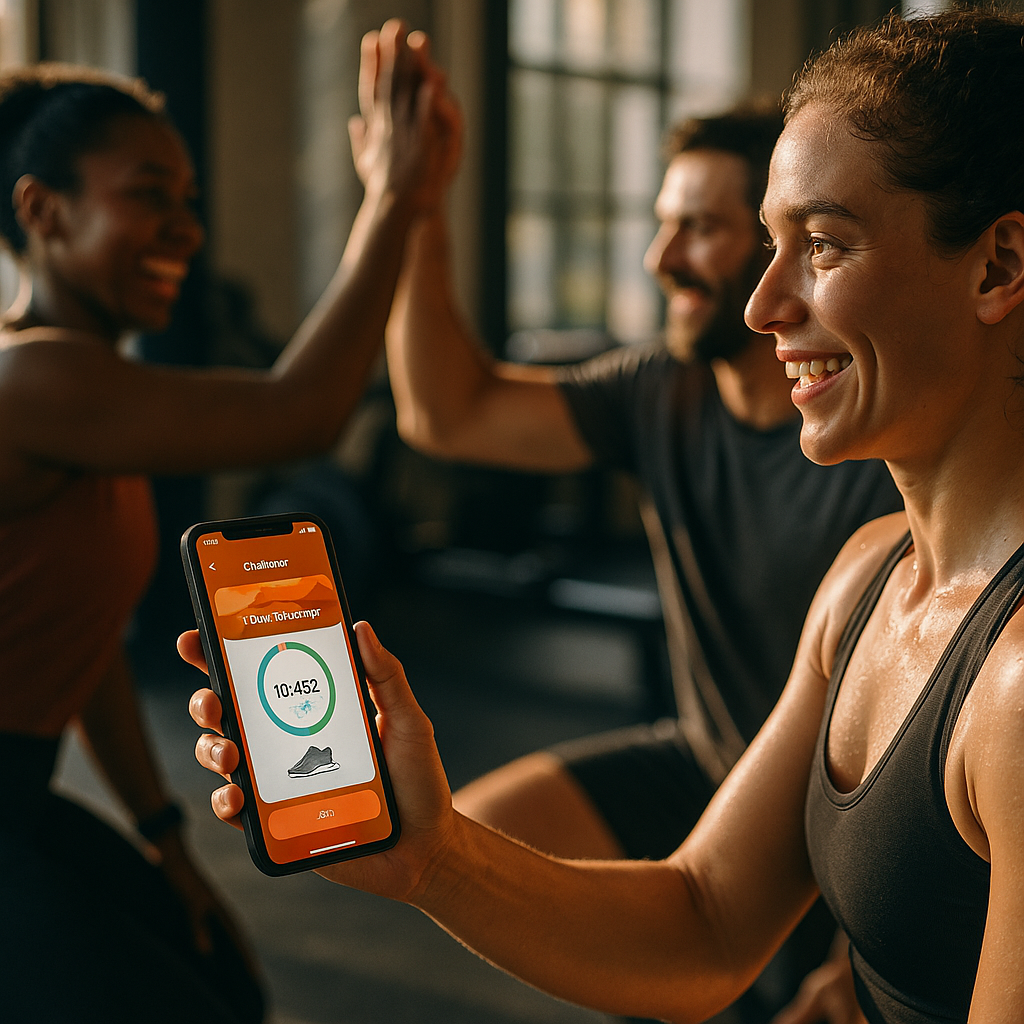
Fitness app: challenge-based marketing campaigns have rapidly emerged as a highly effective way to engage new and existing users. As digital health competition intensifies in 2025, challenge-driven strategies are helping brands boost retention and virality. Discover how these campaigns not only inspire healthy habits but also amplify your app’s growth in exciting, measurable ways.
Why Challenge-Based Fitness App Marketing Works
Challenge-based marketing taps into the natural desire for achievement and friendly competition. In 2025, users crave more than routine workouts—they want a sense of purpose and community. By offering structured challenges, fitness apps create short-term goals with tangible rewards, which translates to:
- Increased engagement: Users check in daily to track progress and maintain streaks.
- Community building: Social features like leaderboards, group chats, and team challenges foster a sense of belonging.
- Motivation: Timely reminders, motivational notifications, and visible achievements keep users inspired.
Data from the Global Wellness Institute in 2025 shows challenge-oriented campaigns improve 30-day user retention by up to 45% compared to traditional approaches. Users stick around for the experience—not just the workouts.
Designing an Irresistible Fitness Challenge Campaign
Creating a successful challenge requires more than catchy slogans. Strategic planning, user-centric design, and behavior science form the backbone of any strong campaign. Focus on these components:
- Theme and Duration: Give your challenges a clear, exciting focus—such as “21-Day Step Streak” or “Summer Strength Surge.” Optimal durations range from 7-30 days to cultivate habits.
- Accessibility: Include both entry-level and advanced goals to welcome a diverse user base. Options might include steps, minutes exercised, or shared progress photos.
- Visible Progress: Display daily milestones, progress graphs, and remaining days so users can track improvement.
- Social Sharing: Enable easy sharing of challenge participation and achievements across major social platforms, tapping into organic promotion.
- Incentives: Offer digital badges, real-life rewards, or personalized feedback for finishers to boost perceived value.
Don’t neglect the onboarding experience. Clear instructions and welcoming notifications make it easy to join—reducing barriers for new users.
Leveraging Social Proof and Influencers to Amplify Reach
In today’s era of authenticity, leveraging social proof is essential for getting challenges noticed. Successful fitness apps in 2025 are strategically partnering with:
- Micro-influencers: Niche fitness personalities drive higher engagement and trust, particularly among Gen Z and Millennial audiences.
- User-generated content (UGC): Encourage users to share before-and-after progress, results, or testimonials. Repurpose authentic content in your campaign materials.
- Interactive leaderboards: Showcase top performers and frequent participants. This turns your most active users into brand ambassadors.
A Forrester Research survey in 2025 found campaigns with a social proof element (like influencer partnerships or viral UGC) produce 67% higher rates of app installs compared to campaigns without visible community engagement. Adding a branded hashtag further helps unify challenge participants across channels, making tracking easy and incentivizing further sharing.
Measuring Campaign Success and ROI
Effectively analyzing the results of your challenge-based marketing campaign is key to proving value and optimizing future efforts. Track these core metrics:
- User participation rate: How many active, new, and returning users join the challenge?
- Engagement metrics: Monitor session frequency, achievement rates, and daily check-ins.
- Virality and sharing: How often are challenge visuals, stories, and achievements shared to external networks?
- Retention and churn: Are challenge participants staying longer and using the app more?
- Conversion to premium: What percentage of free users upgrade during or after a challenge?
Modern analytics suites and cohort tracking tools allow you to segment users by campaign and compare long-term value. Use A/B testing to refine the next round—tweaking challenge duration, rewards, or themes to maximize impact.
Enhancing User Retention and Loyalty in Fitness Apps
Challenge-based marketing campaigns excel at nurturing lasting fitness app loyalty. The reasons are both technical and psychological:
- Habit formation: Repeated, short-term goals foster exercise habits that last beyond the challenge.
- Reward loops: Immediate feedback and rewards reinforce participation, making users more likely to return.
- Ongoing challenges: Offering monthly or seasonal challenges gives users a reason to keep coming back.
- Personalization: Using data from previous challenges, apps can suggest individualized goals or content, further enhancing relevance.
Loyalty programs tied to repeated challenge completions and a solid referral mechanism can boost organic growth. According to App Annie’s 2025 Mobile Trends report, 78% of users who join three or more challenges are twice as likely to become paying subscribers.
Practical Steps to Launch Your Next Challenge-Based Campaign
Ready to harness the momentum of challenge-based marketing for your fitness app? Follow this actionable roadmap:
- Set clear objectives: Define what success looks like (engagement, retention, upgrades, social reach).
- Choose your audience: Segment users by skill, motivation, or location for a tailored experience.
- Assemble a creative team: Designers, fitness experts, and marketers should collaborate for maximum impact.
- Develop cross-channel promotion: Coordinate push notifications, emails, social posts, and in-app banners.
- Gather and act on feedback: Use post-challenge surveys and analytics to learn and iterate for next time.
Consistently applying these steps ensures your campaign not only launches smoothly but also builds equity for future challenges.
FAQs: Fitness App Challenge-Based Marketing Campaigns
- What is a challenge-based marketing campaign in a fitness app?
It’s a strategy where users are encouraged to participate in goal-focused events or activities—such as step goals, time-bound challenges, or streak competitions—which motivate ongoing engagement and boost brand visibility. - How long should a fitness app challenge last?
The most effective challenges last between 7 and 30 days, enough time to develop a habit but short enough to sustain motivation. - Do challenges help increase app revenue?
Yes. By fostering community and commitment, challenges significantly increase retention and upsell opportunities to premium features. - What’s the best way to promote my challenge?
Leverage push notifications, in-app banners, email newsletters, influencer partnerships, and branded hashtags for broad, targeted reach. - How can I measure the success of a challenge?
Track participation, challenge completion rates, app engagement (sessions, shares), and post-challenge retention. Compare these to baseline metrics to gauge ROI.
Challenge-based marketing campaigns are the future of fitness app growth in 2025. By designing thoughtful, measurable challenges, you foster loyalty, drive organic promotion, and achieve meaningful business results. Start planning your next big challenge—and motivate your users like never before.