


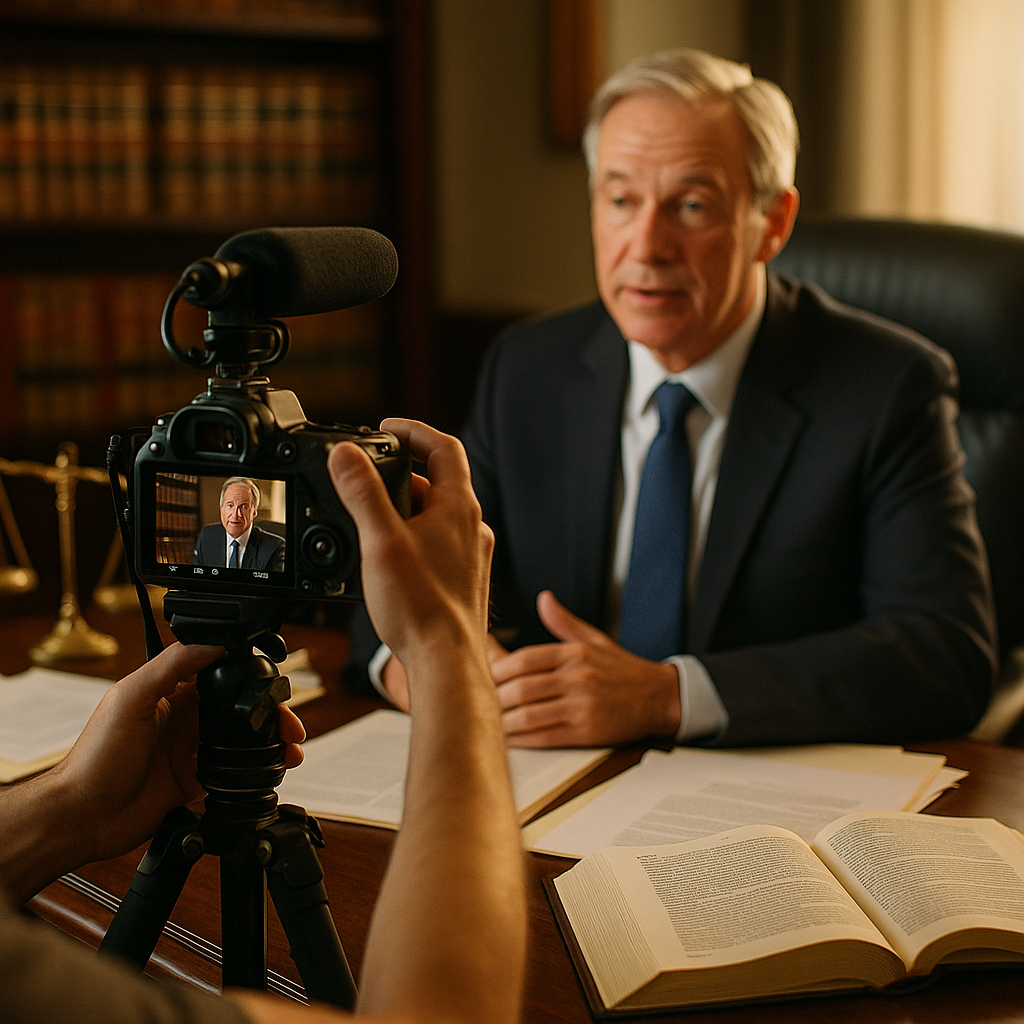
Case study law firm short form educational mini docs reveal how legal practices can earn trust, explain complex issues, and convert attention into consultations. In 2026, audiences expect clear answers fast, especially on mobile. This article examines how one firm used concise documentary-style videos to grow visibility, improve lead quality, and stand out in a crowded market. What changed the results so dramatically?
Why short form legal video marketing worked for this firm
A mid-sized consumer law firm specializing in personal injury, employment disputes, and civil litigation faced a familiar challenge: strong case results but weak digital differentiation. Its website attracted traffic from search, yet prospective clients often left without booking a consultation. The firm’s attorneys were credible and experienced, but their expertise was hidden behind dense practice area pages and formal biographies.
The marketing team identified a key problem. Potential clients were not only searching for legal services; they were also searching for reassurance, clarity, and proof that the firm could explain complicated issues in plain language. Traditional brand videos felt too polished and too broad. Long webinars had useful content but low completion rates. The solution became a series of short form educational mini docs.
These mini docs were not advertisements in the usual sense. Each piece focused on a specific client concern such as:
- What to do in the first 24 hours after a workplace injury
- How contingency fees actually work
- What evidence matters in a wrongful termination claim
- Why settlement timelines vary from case to case
Each video combined attorney commentary, anonymized case patterns, simple graphics, and practical next steps. Most ran between 45 and 90 seconds. The documentary style mattered. Instead of pushing slogans, the firm showed real legal thinking, real process, and real empathy. That approach aligned with what Google’s helpful content guidance increasingly rewards: first-hand experience, demonstrated expertise, and content that genuinely answers searcher questions.
The firm also recognized a platform reality in 2026. Prospective clients discover legal information across search, video platforms, social feeds, and AI summaries. Short, authoritative content gives firms more opportunities to appear where intent begins. Rather than waiting for a user to land on a service page, the firm inserted useful education into earlier moments of the decision journey.
Content strategy for educational legal content that built trust
The most successful part of the campaign was not production quality alone. It was the editorial structure behind it. The firm built every mini doc around actual intake questions, search console data, on-site search behavior, and recurring objections from consultations. That made the content highly relevant and reduced guesswork.
The strategy followed five principles:
- Start with legal intent, not branding. The opening line answered a real question immediately.
- Show attorney expertise clearly. Lawyers appeared on camera and spoke to issues within their practice areas only.
- Use plain English. Legal terminology was explained, not assumed.
- Include a realistic disclaimer. Videos clarified that they were educational and not legal advice.
- Offer a specific next step. Viewers were told what documents to gather, what deadline to watch, or when to seek counsel.
This approach supported EEAT in practical ways. Experience came from attorneys discussing real procedural realities. Expertise appeared through precise legal explanations. Authoritativeness was reinforced by connecting the video to attorney bios, case results where appropriate, and detailed service pages. Trust improved because the content avoided exaggerated claims and explained limitations honestly.
One mini doc about insurance adjuster calls performed particularly well because it addressed a stressful, time-sensitive issue. The attorney explained what callers should and should not say, why recorded statements can matter, and when to contact counsel. The video did not overpromise. It simply made viewers feel more informed. That trust became a conversion driver.
The firm also repurposed each topic into supporting assets:
- A transcript-backed article for SEO and accessibility
- Short social cuts for discovery
- Email follow-ups for warm leads
- FAQ snippets embedded on practice pages
This content ecosystem improved consistency across channels while keeping the original educational value intact.
Video SEO for law firms: distribution, discovery, and search impact
Publishing the mini docs only on social platforms would have limited their long-term value. Instead, the firm treated video SEO as a central growth channel. Every video was embedded on a relevant page with surrounding text that answered the same user intent. This made the content useful both for human readers and for search systems evaluating topical relevance.
The firm’s distribution model included:
- Practice area pages for bottom-funnel visitors
- Blog and resource hubs for question-based searches
- Local landing pages where jurisdiction-specific guidance mattered
- Video platform uploads optimized with descriptive titles and summaries
- Short-form social posts driving viewers to consultation pages or deeper content
Metadata was written for humans first. Titles described the exact legal issue. Descriptions clarified who the content was for, what it covered, and what to do next. On-page copy included concise legal context, attorney attribution, and internal links to case evaluation forms and related services.
The firm also improved technical presentation. Pages loaded fast on mobile. Captions were accurate. Transcripts were edited for readability. Structured on-page FAQs expanded relevance around adjacent questions. The result was stronger engagement signals and more opportunities to rank for long-tail searches.
Importantly, the videos did not replace written content. They enhanced it. Legal consumers often want both a fast overview and a deeper explanation before contacting counsel. By pairing mini docs with robust articles, the firm served both needs. This reduced bounce rates on several high-intent pages and increased time spent with the brand.
Another search advantage came from topical clustering. Instead of isolated uploads, the firm built mini doc series around themes such as injury claims, employee rights, and litigation timelines. This helped search engines and users understand the breadth of the firm’s coverage within each practice area.
Law firm lead generation results from short form educational mini docs
Within months, the firm saw measurable gains in both visibility and lead quality. The campaign was designed around business outcomes, not vanity metrics alone, so the team tracked performance at multiple stages of the funnel.
Key outcomes included:
- Higher consultation conversion rates on pages with embedded mini docs compared with similar pages without them
- Longer average session duration for users who watched at least one video
- Improved lead quality because prospects arrived better informed about claim fit, timelines, and fee structures
- More branded search activity after social distribution increased attorney visibility
- Lower intake friction because videos pre-answered common objections and confusion points
The lead quality improvement was especially valuable. Intake staff reported that prospective clients who had watched the mini docs were more prepared with documents, had more realistic expectations, and could better describe their issue. That saved time and let attorneys focus on qualified matters.
The firm also benefited from an internal alignment effect. Attorneys who were initially skeptical became more supportive after seeing that educational videos attracted serious inquiries rather than casual browsers. Because the content framed legal realities responsibly, it filtered leads instead of simply inflating volume.
One lesson stood out: the highest-performing mini docs were not always the most broadly appealing topics. Narrow, high-anxiety subjects often drove the strongest conversions because they addressed immediate intent. For example, a short video on deadline sensitivity in employment claims generated fewer total views than a general “know your rights” piece, but it drove more consultation requests per viewer.
This reflects a broader legal marketing truth. Attention matters, but relevance matters more. When a firm gives precise, timely answers, prospects see competence before they ever speak to a lawyer.
Attorney personal branding and client trust in documentary-style video
Many firms hesitate to put attorneys on camera because of time constraints, compliance concerns, or fear that the content will feel too promotional. This case study shows the opposite when the format is handled correctly. Documentary-style short form content can strengthen attorney personal branding without making the lawyer look self-promotional.
The mini docs worked because they presented attorneys as guides, not performers. Each lawyer spoke only on topics tied directly to their experience. They referenced patterns they had seen in practice, common mistakes people make, and procedural realities clients should know. This gave the audience a more authentic sense of how that attorney thinks.
That authenticity matters for legal consumers. Hiring a lawyer is not like buying a product. Prospective clients want evidence of judgment, communication skill, and composure. A well-made mini doc can convey all three quickly.
The firm followed several guardrails to protect trust:
- No sensational claims about guaranteed outcomes
- No vague superlatives without support
- No discussion of confidential client facts unless fully anonymized and appropriate
- Clear jurisdiction context when legal rules varied
- Visible attorney attribution so viewers knew who was speaking and why they were qualified
These choices reinforced credibility. Instead of trying to look impressive, the firm tried to be useful. That distinction helped the content perform with both users and search systems.
The format also humanized the lawyers. Short moments showing attorneys in office settings, reviewing documents, or speaking directly to common fears made the practice feel more approachable. For many legal clients, approachability is not a cosmetic benefit. It influences whether they take the first step and ask for help.
How to create a short form legal content strategy that scales
For firms considering a similar approach, the key is to build a repeatable system. This law firm did not chase trends blindly. It created an editorial and production process that balanced legal accuracy, efficiency, and distribution value.
A practical framework looks like this:
- Mine intake data. Collect recurring questions, misconceptions, and urgency triggers.
- Map content to funnel stage. Some videos should educate early-stage searchers, while others should support consultation decisions.
- Assign the right attorney. Match each topic to visible, relevant expertise.
- Script for clarity. Open with the problem, explain the stakes, provide guidance, and end with a next step.
- Film in batches. Record multiple mini docs in one session to reduce attorney time burden.
- Repurpose thoroughly. Turn each video into page content, clips, transcripts, and FAQs.
- Measure beyond views. Track watch rate, page engagement, consultation assists, and lead quality.
Firms should also plan for editorial review. Legal accuracy is essential, especially in regulated categories. Every script should be checked for ethics compliance, jurisdiction sensitivity, and clarity. Educational content works best when it is specific enough to be useful but careful enough to avoid becoming misleading.
Another common question is whether firms need expensive production. Not necessarily. Good lighting, clean audio, concise scripting, and thoughtful editing matter more than flashy visuals. Viewers care most about whether the attorney sounds knowledgeable and understandable.
Finally, firms should not expect one viral hit to change everything. The success in this case came from consistency. Publishing a structured library of mini docs created cumulative authority. Over time, the firm became easier to discover, easier to trust, and easier to contact.
FAQs about short form educational mini docs for law firms
What is a short form educational mini doc for a law firm?
It is a brief documentary-style video, usually under two minutes, that explains a specific legal issue, client concern, or process step in clear language. It is educational first and promotional second.
Why do mini docs work better than traditional law firm ads?
They answer real questions, demonstrate attorney expertise, and build trust before a consultation. Many legal consumers respond better to useful guidance than to generic brand messaging.
How long should a law firm mini doc be?
Most effective pieces run between 45 and 90 seconds, though some topics may justify up to two minutes. The ideal length depends on how quickly the firm can deliver clear value.
Can short form videos help SEO for law firms?
Yes. When embedded on relevant pages with supporting text, transcripts, and strong internal linking, they can improve engagement, support topical relevance, and capture additional search intent.
What topics should a law firm cover first?
Start with high-frequency intake questions, urgent legal concerns, fee explanations, timeline expectations, evidence issues, and common mistakes clients make before contacting counsel.
Do attorneys need to appear on camera?
Usually yes, because visible attorney expertise increases credibility. However, firms can also mix attorney clips with voiceover, graphics, captions, and anonymized scenario explanations.
How do law firms measure success from mini docs?
Track more than views. Measure watch completion, on-page engagement, assisted conversions, consultation rates, lead quality, and whether intake conversations become more efficient.
Are there compliance risks with legal mini docs?
Yes. Firms must avoid guaranteeing outcomes, oversimplifying legal rules, or giving advice without proper context. Content should be reviewed for ethics compliance and jurisdiction accuracy.
Should mini docs be posted only on social media?
No. Social helps discovery, but the highest long-term value often comes from embedding videos on service pages, FAQ hubs, and resource articles where user intent is strongest.
How often should a law firm publish short form educational videos?
Consistency matters more than volume. A sustainable cadence, such as a few well-planned mini docs each month, can outperform irregular bursts of content.
This case study shows that short form educational mini docs can do more than increase views. They help law firms explain expertise, earn trust faster, and attract better-qualified inquiries. The winning formula is simple: answer real questions, feature the right attorneys, publish consistently, and connect every video to search intent and client action.