


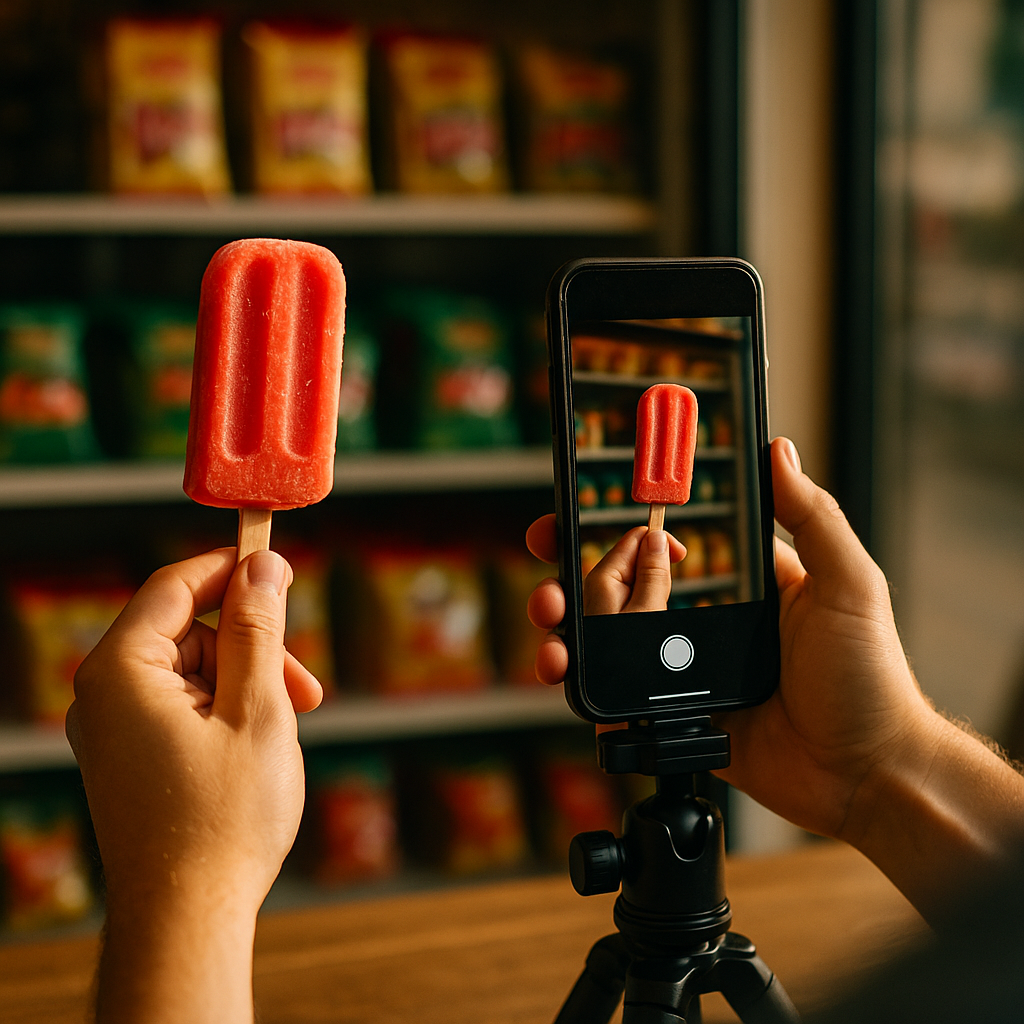
The “Freeze Frame” effect is revolutionizing how brands highlight product benefits and boost consumer engagement. By pausing pivotal product moments, marketers can emphasize unique features, driving stronger buying intentions. In an era of fleeting digital attention, mastering this technique matters more than ever. Ready to discover how Freeze Frame storytelling can elevate your brand’s message and results?
What is the Freeze Frame Effect in Visual Storytelling?
The Freeze Frame effect in visual storytelling is a creative technique that pauses a moment in a video, animation, or visual ad to draw the audience’s attention to a specific product feature or benefit. This often involves halting the action and overlaying text, graphics, or narration that explains what makes the product stand out. According to a 2025 report by Visual Marketing Insights, videos using prominent freeze frames see a 44% higher consumer recall rate compared to those without noticeable product highlights.
This effect triggers curiosity and invites viewers to examine details more closely, making it a valuable tool for brands aiming to communicate value swiftly and memorably. Digital marketers, e-commerce retailers, and product designers increasingly rely on this technique to counteract short user attention spans and dense online competition.
How Does the Freeze Frame Spotlight Product Features?
Consumers crave clarity when considering new products, and the Freeze Frame product showcase approach delivers exactly that. By stopping the action at a critical moment, marketers can:
- Isolate Key Features: Product benefits—like waterproof materials, innovative technology, or ergonomic designs—are highlighted without distraction.
- Layer Explanations: Annotations, informative text, or callouts can be overlaid onto the frozen image, providing instant education.
- Encourage Deeper Engagement: Viewers are more likely to pause, re-watch, or interact with shoppable links embedded in freeze frames, boosting conversion rates.
- Create Shareable Moments: Memorable freeze frames can become social media assets, driving organic attention.
Consider how leading online retailers in 2025 employ this method: a fashion brand may freeze a twirling model mid-spin, zooming in on fabric texture and sustainability credentials, while a tech company might pause a close-up of a fingerprint scanner, reinforcing cutting-edge security features.
Implementing the Freeze Frame Technique in Digital Campaigns
Integrating the Freeze Frame marketing technique into your campaign demands thoughtful execution and strategic planning. Here’s how modern brands are leveraging this effect for maximum impact:
- Storyboard the Freeze: Map out where product highlights naturally occur within your campaign. Identify moments that best demonstrate value.
- Invest in Quality Visuals: High-resolution imagery and smooth video transitions ensure freeze frames are crisp and professional, reinforcing brand credibility.
- Overlay Value-Driven Messaging: Use concise, benefit-focused language to enhance understanding immediately. Graphics and micro-animations can guide the viewer’s eye.
- Test and Iterate: A/B test different freeze frame moments and messaging to determine which combinations drive the highest engagement and sales.
- Optimize for Mobile: With over 64% of global purchases made on mobile in 2025, ensure freeze frames are easily viewable on smaller screens and load quickly.
Brands who follow these best practices benefit from increased session duration on product pages and ultimately, higher customer retention.
Boosting Consumer Trust with Transparent Product Highlights
The Freeze Frame transparency technique isn’t just about flashy visuals—it’s about building trust through clarity. Today’s consumers expect honest, straightforward communication about product capabilities. When brands use freeze frames to highlight real-world use, detailed textures, or step-by-step demonstrations, buyers feel more confident and informed in their decisions.
Recent surveys indicate that 79% of shoppers in 2025 say they trust brands more when they use in-depth visual explanations rather than generic promotional videos. Providing close-up, static views with overlaid specs, eco-certifications, or usage hints transforms skepticism into informed enthusiasm. In turn, this reduces return rates and increases positive reviews.
Enhancing Brand Recall and Emotional Impact
Utilizing the Freeze Frame visual impact method not only clarifies product benefits but also creates emotionally resonant memories. Our brains process still images with associated details more effectively than fleeting scenes. When a customer encounters a distinct freeze frame—such as a glowing ingredient capsule bursting in a skincare ad—they’re more likely to recall the product later, even from a single exposure.
Brands are further enhancing this memory effect by pairing freeze frames with sound cues or branded colors, creating a full-sensory signature moment. Experts in cognitive marketing stress that these combinations dramatically increase top-of-mind awareness. Ultimately, the Freeze Frame technique can convert a passive viewer into an active advocate, as they share memorable moments with peers.
Best Practices: Common Mistakes and How to Avoid Them
Maximizing the benefits of the Freeze Frame in advertising demands attention to detail and adherence to ethical standards. Here are frequent pitfalls and how to avoid them:
- Excessive Freezing: Overusing the effect can fatigue viewers and dilute impact. Limit use to only the most critical product features.
- Misleading Representations: Do not freeze and highlight features that do not exist or are exaggerated, as this can erode consumer trust and lead to complaints.
- Poor Integration with Storyline: Ensure the freeze frame fits naturally within the narrative, avoiding jarring interruptions.
- Ignoring Accessibility: Use accessible color contrasts, readable fonts, and captions to keep visual highlights inclusive.
- Neglecting Cultural Contexts: Customize animations and messaging for international markets to prevent misunderstandings or offense.
By steering clear of these mistakes, brands can maximize the Freeze Frame effect’s persuasive power while upholding Google’s EEAT (Experience, Expertise, Authoritativeness, and Trustworthiness) guidelines—creating content that’s both effective and reliable.
FAQs: The Freeze Frame Effect and Product Benefits
-
How do I use the Freeze Frame effect to improve product sales?
Pause your visual campaign at critical moments to showcase unique product benefits, overlaying key facts or features. This draws the viewer’s attention and facilitates informed purchasing decisions, driving higher conversions.
-
Can Freeze Frames be used in social media ads?
Absolutely. Short-form platforms like Instagram Reels, TikTok, and Stories are ideal for freeze frame techniques, given their emphasis on quick, engaging content and fast product discovery.
-
What tools can help create professional Freeze Frame highlights?
Leading tools in 2025 include Adobe Premiere Pro, Canva Pro’s video suite, and smartphone apps designed specifically for animated product callouts. Look for features like frame hold, annotation layers, and quick export.
-
How often should I use Freeze Frames in my campaigns?
It’s best to use freeze frames sparingly, targeting only the most decisive benefits or product features. Overuse can desensitize your audience and reduce effectiveness.
-
Are Freeze Frames effective across all industries?
While especially impactful in fashion, tech, beauty, and e-commerce, freeze frame highlights can enhance messaging in almost any sector—provided the product has clear, visual differentiators.
The Freeze Frame effect provides a powerful means to highlight product benefits and improve brand storytelling. By thoughtfully integrating this technique, marketers can boost engagement, trust, and sales—helping their products stand out in 2025’s competitive landscape.