


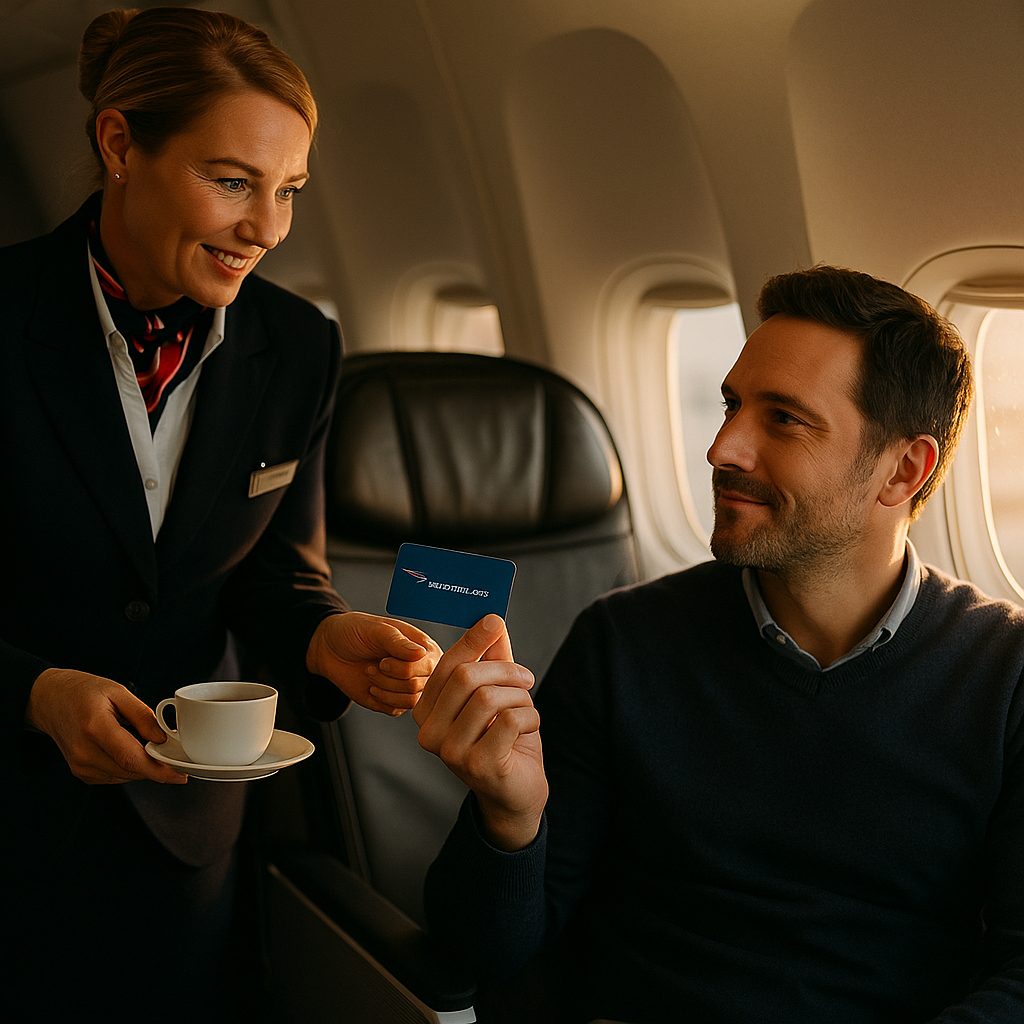
Case Study: How British Airways Used Small Wins For Loyalty Success is less about a single breakthrough and more about disciplined, customer-led improvements that compounded over time. In 2025, travelers expect frictionless digital journeys, fair value, and recognition that feels personal. British Airways shows how “small wins” can reshape loyalty behaviors, trust, and spend—especially when every change is measurable and repeatable. What were the wins that mattered most?
British Airways loyalty program strategy: designing for everyday value
British Airways’ loyalty engine is the Executive Club, built around Tier Points (status progression) and Avios (reward currency). The “small wins” approach works here because loyalty is rarely won by one grand gesture; it’s earned by repeated moments where customers feel the program makes sense, is easy to use, and delivers predictable value.
A practical way to view BA’s strategy is through three loyalty jobs-to-be-done:
- Help me earn faster without changing my life (simple ways to collect Avios through flights and partners).
- Help me see progress (status milestones that feel achievable and transparent).
- Help me redeem without regret (clear reward options that don’t feel like a trap).
BA’s small wins cluster around these jobs. Instead of assuming customers will tolerate complexity, BA leaned into clearer pathways: better guidance on earning and spending, more relevant partner opportunities, and incremental improvements to the digital experience. Each improvement removes a reason to disengage.
For readers evaluating whether small wins can move the needle: loyalty programs fail most often because customers don’t understand them or don’t trust the value. BA’s approach focuses on reducing confusion and increasing perceived fairness—two levers that reliably increase repeat behavior.
Customer experience improvements: removing friction across the journey
“Small wins” in loyalty often begin outside the loyalty program. If the journey is stressful, points feel like a weak apology. British Airways has pursued incremental customer experience improvements that, when combined, protect loyalty by reducing pain in high-stakes moments—booking, disruption, airport flow, and post-flight support.
Key friction points that airlines can influence quickly include:
- Booking clarity: fare families, baggage rules, seat fees, and change terms presented in a way that reduces surprises.
- Account visibility: members can quickly see Avios balance, Tier Points progress, and upcoming benefits without hunting.
- Self-service controls: manage booking, select seats, and handle common requests without long waits.
BA’s loyalty impact comes from how these improvements protect the “trust account.” When customers repeatedly experience small reductions in effort—fewer steps, fewer surprises, quicker fixes—they become more willing to consolidate travel with the same airline. Consolidation is the real prize: it drives higher annual share-of-wallet and stabilizes demand even when competitors discount.
Follow-up question readers often ask: How do you know which friction to tackle first? BA’s playbook implies prioritizing the moments that most often trigger complaint, abandonment, or call center contact. Each friction removed reduces service cost while improving loyalty sentiment, creating a compounding business case that’s easier to fund.
Avios redemption innovation: making rewards feel usable, not theoretical
In airline loyalty, redemption is the credibility test. Customers may tolerate complex earning if redemption is simple and satisfying. British Airways has treated redemption as a place for small, continuous upgrades—expanding “ways to use Avios” and improving the decision experience so members feel in control.
What “small wins” look like in Avios redemption innovation:
- More options at checkout: blended payment styles (for example, part-cash/part-Avios) reduce the “I don’t have enough points” barrier.
- Clearer value cues: showing comparable cash prices, fees, and the Avios requirement helps members judge whether a redemption is worth it.
- Reward inventory confidence: even modest improvements in how availability is displayed can reduce frustration and perceived scarcity.
These moves matter because loyalty behavior is psychological as much as financial. When members believe redemptions are achievable, they engage more often: they check balances, they browse, they plan. That engagement becomes a retention loop—members who plan with a program are less likely to switch away.
A likely follow-up question: Isn’t “more redemption options” expensive? Not necessarily. Many improvements are about interface, transparency, and packaging—not giving away more seats. When members can apply Avios to multiple travel components and see outcomes clearly, the program feels richer without requiring a proportional increase in reward cost.
Tier Points and status benefits: rewarding progress with visible milestones
Status is where loyalty becomes sticky, but only if members can understand the rules and see progress. British Airways’ small wins approach emphasizes making status feel like an attainable journey, not a mystery. Tier Points are a structured system; the wins come from helping members navigate it with fewer doubts and better planning tools.
Small, high-impact levers within Tier Points and status benefits include:
- Progress transparency: simple displays of current Tier Points, target thresholds, and time remaining in the membership year reduce uncertainty.
- Benefit clarity: presenting benefits (lounge access, priority services, seat selection rules, baggage allowances) in plain language and tied to real travel scenarios.
- Milestone motivation: nudges that highlight “you’re close” moments encourage incremental trips that complete a tier.
BA’s underlying logic is sound: customers chase what they can visualize. When the next tier feels within reach, travelers are more likely to book BA-operated flights, consider premium cabins, or route trips through BA’s network—even if alternatives are slightly cheaper. Those are profitable behaviors.
Another question readers ask: Does status still matter when travelers also care about price? Yes, because status benefits reduce travel friction and improve reliability. For frequent travelers, time and predictability are currency. BA’s small wins increase the perceived “net value” of staying loyal, even in price-sensitive moments.
Data-driven personalization: using small signals to deliver relevant recognition
In 2025, personalization needs restraint. Travelers want relevance, not surveillance. British Airways’ small wins show up when personalization feels like recognition: helpful prompts, timely information, and offers that match the customer’s context—without creating a sense of being tracked too closely.
Effective, trust-preserving personalization usually relies on small signals BA already has:
- Trip context: destination, trip duration, and cabin can guide which options are most useful (seats, baggage, lounge eligibility, upgrades).
- Membership context: tier level and Avios balance can shape messages around realistic next actions.
- Behavior context: what the member searches or saves can inform reminders and reduce repeated effort.
The small win is not “more targeting.” It’s fewer irrelevant messages and more actionable ones. When members receive communications that respect their time—clear subject lines, honest pricing, and practical next steps—open rates and conversion improve, but so does long-term trust.
How does this tie to EEAT? By aligning messaging with verifiable program rules and consistent pricing, BA reduces the gap between what’s promised and what’s delivered. Trust is the most durable loyalty asset, and it grows when personalization is accurate, transparent, and easy to opt out of.
Airline partnership ecosystem: multiplying earning opportunities without diluting trust
No airline can deliver daily engagement on flights alone. British Airways expands loyalty touchpoints through an airline partnership ecosystem—earning and redemption across partners, co-branded cards, and travel-related services. The small-win mindset keeps partnerships useful: members should immediately understand how to earn, how long it takes, and what the trade-offs are.
Partnership small wins that strengthen loyalty:
- Faster earning moments: partners that create frequent, low-friction earning (for example, everyday spending categories) keep the program top of mind.
- Simple earning explanations: straightforward rules reduce “points disappointment” when customers expect one outcome and receive another.
- Consistent redemption pathways: letting members use Avios in familiar ways across the ecosystem avoids the feeling that points only work in one narrow context.
This is where BA’s compounding advantage appears. If a member can earn Avios in multiple places, they build balance faster; larger balances increase perceived optionality; optionality increases engagement; engagement increases flight consideration. That flywheel is fueled by small, consistent improvements to partner visibility, terms clarity, and integration.
A common follow-up question: Can partnerships dilute brand loyalty? They can if the experience is inconsistent. BA’s small-win principle suggests the opposite: prioritize fewer, better-integrated partners and communicate rules with precision. Loyalty strengthens when partnerships feel like an extension of the brand’s standards.
FAQs
What does “small wins” mean in airline loyalty?
Small wins are incremental, measurable improvements—like clearer benefit explanations, smoother redemption steps, or better self-service—that reduce friction and build trust. Over time, these changes compound into higher retention and increased share-of-wallet.
How did British Airways improve loyalty without massive discounts?
By making the loyalty experience easier to understand and use: clearer progression toward status, more usable redemption options, and customer journey improvements that reduce stress. These steps increase perceived value without relying on constant price cuts.
Why is Avios redemption so important for loyalty success?
Redemption proves the program’s value. If members can’t easily use Avios—or feel misled by fees or availability—they disengage. Improving usability and transparency increases confidence and encourages members to keep earning.
Do Tier Points actually influence purchasing decisions?
Yes. When members can clearly see progress and understand thresholds, they are more likely to choose flights that help them reach or retain status. Status benefits then reinforce future loyalty by saving time and improving comfort.
How can airlines personalize loyalty communications without breaking trust?
Use minimal, relevant signals (trip details, tier level, balance) and focus on helpful actions rather than aggressive targeting. Be transparent, accurate, and easy to opt out of non-essential messages.
What can other brands learn from this British Airways case study?
Build loyalty through compounding improvements: reduce customer effort, make value easy to understand, and ensure rewards are usable. Treat trust as a KPI, and prioritize fixes that prevent disappointment at key moments.
British Airways’ loyalty progress in 2025 highlights a practical truth: loyalty grows when many small wins consistently reduce friction and increase trust. By improving everyday clarity in the Executive Club, making Avios easier to redeem, and helping members visualize Tier Points progress, BA turns routine interactions into reasons to return. The takeaway is simple: measure pain points, fix them quickly, and let compounding improvements do the heavy lifting.