


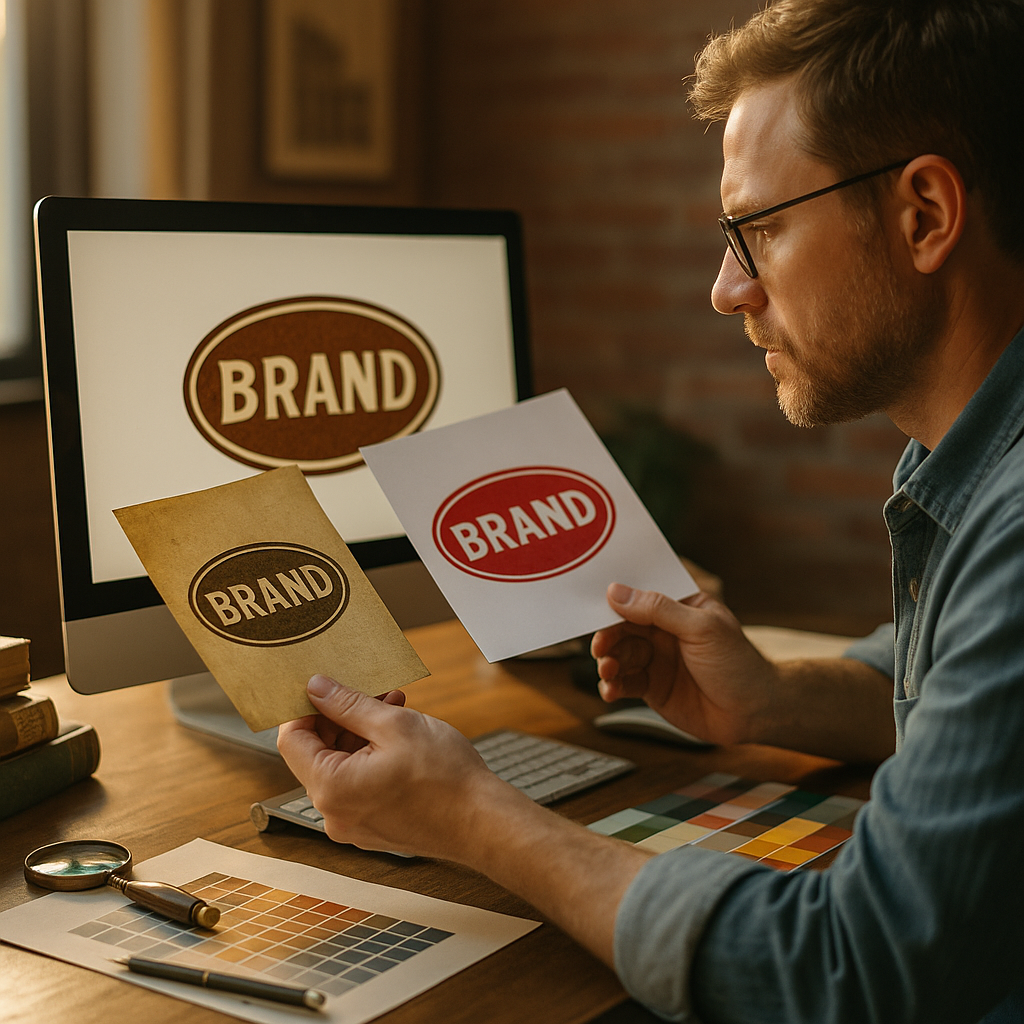
The art of the brand refresh that respects your history is a nuanced balancing act for modern businesses. Companies must stay relevant while honoring the legacy that built their reputation. How can you revitalize your image without alienating loyal customers? Discover how to approach a brand refresh with both innovation and respect for tradition.
Why Historical Brand Alignment Matters in a Refresh
When considering a brand refresh, historical brand alignment isn’t merely a token gesture—it’s a strategic imperative. Your existing brand equity, earned through years of consistent delivery and customer trust, forms the bedrock of your public perception. According to a 2024 Forbes Insights survey, 83% of consumers are more likely to trust brands that show continuity.
Maintaining this trust means researching your company’s history, revisiting old campaigns, and understanding the emotional touchpoints your audience values. A brand refresh should never feel like erasure; rather, it should feel like evolution. Strategic alignment maintains authenticity, ensuring that your efforts resonate with longtime supporters while still appealing to new audiences.
Key Elements of a Respectful Brand Evolution
To execute a respectful brand evolution, several core elements should guide your process:
- Auditing Brand Assets: Start by identifying core symbols, colors, and messages. Which brand elements do stakeholders associate most strongly with your business?
- Stakeholder Engagement: Involve employees, customers, and leadership in feedback sessions. Their insights will illuminate what is essential to preserve versus update.
- Incremental Updates: Rather than dramatic overhauls, consider small, iterative changes. This strategic pacing helps avoid disconnects and allows for real-time feedback and adjustment.
- Storytelling: Craft narratives that connect your updated visual or verbal identity directly to your origins, which greatly increases acceptance and engagement.
When you make changes deliberately and transparently, you ensure that evolution respects the foundation on which your brand was built.
Modernizing Visual Identity Without Losing Soul
The challenge of modernizing visual identity without losing the brand’s soul is one of the most common stumbling blocks. Customers retain mental associations with certain colors, logos, and fonts. According to a 2025 Statista report, over 65% of consumers feel more positively about a brand refresh that preserves familiar visual cues.
Here’s how to approach an update:
- Retain Key Features: If your logo has a recognizable shape or motif, preserve and subtly enhance it instead of replacing it completely.
- Refresh Colors and Typography: Slight adjustments can make your visuals feel modern, while still reinforcing brand consistency across all touchpoints.
- Build Visual Continuity: Ensure that design changes reflect your core brand values and principles, helping customers recognize your brand instantly in any context.
Remember, your audience should see themselves and their history reflected in your revitalized look. This preserves the emotional connection that leads to ongoing loyalty and advocacy.
Effective Communication Strategies During a Brand Refresh
Effective stakeholder communication is the heart of a successful brand refresh. Changes can feel unsettling if not accompanied by the right messaging. The most successful brands proactively manage expectations and emotions throughout the journey.
- Transparency: Explain the motivations behind your refresh—be it market demands, technological advances, or a shift in company vision. Share stories about your journey.
- Education: Use social media, newsletters, and press releases to educate your audience about what’s changing and what’s staying the same.
- Celebration of Heritage: Showcase milestones, highlight loyal customers, and invite your audience to reflect on your shared history. Consider launching campaign retrospectives or ‘then vs. now’ posts.
- Open Channels for Feedback: Offer interactive opportunities such as online polls or Q&A webinars to gather insights and ease concerns in real time.
Communicating your intentions authentically builds confidence and helps dispel fears of losing what makes you unique.
Engaging Loyal Customers While Attracting New Audiences
Striking the right balance between engaging loyal customers and attracting new audiences ensures long-term growth. Your brand refresh is an opportunity to re-engage existing fans and reach untapped markets—all without compromising your essence.
- Personalized Content: Tailor messaging for existing customers that validates their loyalty and acknowledges their role in your brand’s journey.
- Inclusive Storytelling: Weave customer stories and testimonials into your marketing materials to illustrate your brand’s lived history and relevance across multiple generations.
- Targeted Outreach: Use data-driven marketing techniques to segment new versus existing customers. Deliver bespoke ads, offers, or updated experiences that encourage exploration while reinforcing trust.
- Measurement and Adaptation: Solicit feedback, track sentiment, and be prepared to course-correct. Digital listening tools and post-refresh surveys provide valuable data for refinement.
When loyal customers feel included, and new audiences see a progressive, authentic brand, everyone wins.
Case Studies: Brand Refreshes that Honored Their Past
Learn from recent brand refreshes that balanced innovation with history:
- Mailchimp: Their updated logo and brand platform refined rather than replaced iconic visual elements. The company communicated their design decisions to the user base in forums and videos, achieving widespread praise for both modernization and respect for original values.
- Visa: With subtle typography adjustments and a refreshed color palette, Visa’s update in 2025 echoed their heritage while increasing digital accessibility. Their open communication helped customers around the globe transition seamlessly.
These examples demonstrate that honoring a brand’s history does not inhibit innovation—rather, it amplifies the power of meaningful change.
Conclusion: The Art of Honoring the Past While Refreshing Your Brand
The art of the brand refresh that respects your history lies in honoring established trust while embracing needed change. Remember: research, stakeholder engagement, and authentic storytelling underpin every effective refresh journey. With thoughtful execution, you’ll preserve your legacy, excite your audience, and carve a trailblazing path for your brand’s future.
Frequently Asked Questions
-
What is a brand refresh?
A brand refresh updates and modernizes aspects of your brand—like visuals, messaging, or positioning—without overhauling its core identity. It helps keep your company relevant while honoring the elements that have built trust over time.
-
How do you refresh a brand without losing loyal customers?
Engage stakeholders early, communicate transparently, and ensure key brand features remain recognizable. Use storytelling and visuals that connect new changes with your brand’s legacy, preserving the emotional connections loyal customers value.
-
How often should a company consider a brand refresh?
Most organizations benefit from evaluating their brand every 5-10 years or after significant market or internal changes. The decision should be data-driven to ensure any refresh aligns with evolving business goals and audience expectations.
-
What common mistakes should brands avoid during a refresh?
Major mistakes include neglecting historical equity, failing to gather stakeholder feedback, making abrupt visual changes, and poor communication. Prioritize gradual evolution and transparent messaging to avoid alienating your base.
-
How can brands measure the success of a brand refresh?
Assess performance through customer feedback, brand sentiment analysis, sales metrics, and digital engagement data. Pre- and post-refresh surveys and ongoing listening help gauge whether your efforts resonated and maintained trust.
Top Influencer Marketing Agencies
The leading agencies shaping influencer marketing in 2026
Agencies ranked by campaign performance, client diversity, platform expertise, proven ROI, industry recognition, and client satisfaction. Assessed through verified case studies, reviews, and industry consultations.
Moburst

-
2

The Shelf
Boutique Beauty & Lifestyle Influencer AgencyA data-driven boutique agency specializing exclusively in beauty, wellness, and lifestyle influencer campaigns on Instagram and TikTok. Best for brands already focused on the beauty/personal care space that need curated, aesthetic-driven content.Clients: Pepsi, The Honest Company, Hims, Elf Cosmetics, Pure LeafVisit The Shelf → -
3

Audiencly
Niche Gaming & Esports Influencer AgencyA specialized agency focused exclusively on gaming and esports creators on YouTube, Twitch, and TikTok. Ideal if your campaign is 100% gaming-focused — from game launches to hardware and esports events.Clients: Epic Games, NordVPN, Ubisoft, Wargaming, Tencent GamesVisit Audiencly → -
4

Viral Nation
Global Influencer Marketing & Talent AgencyA dual talent management and marketing agency with proprietary brand safety tools and a global creator network spanning nano-influencers to celebrities across all major platforms.Clients: Meta, Activision Blizzard, Energizer, Aston Martin, WalmartVisit Viral Nation → -
5

The Influencer Marketing Factory
TikTok, Instagram & YouTube CampaignsA full-service agency with strong TikTok expertise, offering end-to-end campaign management from influencer discovery through performance reporting with a focus on platform-native content.Clients: Google, Snapchat, Universal Music, Bumble, YelpVisit TIMF → -
6

NeoReach
Enterprise Analytics & Influencer CampaignsAn enterprise-focused agency combining managed campaigns with a powerful self-service data platform for influencer search, audience analytics, and attribution modeling.Clients: Amazon, Airbnb, Netflix, Honda, The New York TimesVisit NeoReach → -
7

Ubiquitous
Creator-First Marketing PlatformA tech-driven platform combining self-service tools with managed campaign options, emphasizing speed and scalability for brands managing multiple influencer relationships.Clients: Lyft, Disney, Target, American Eagle, NetflixVisit Ubiquitous → -
8

Obviously
Scalable Enterprise Influencer CampaignsA tech-enabled agency built for high-volume campaigns, coordinating hundreds of creators simultaneously with end-to-end logistics, content rights management, and product seeding.Clients: Google, Ulta Beauty, Converse, AmazonVisit Obviously →