


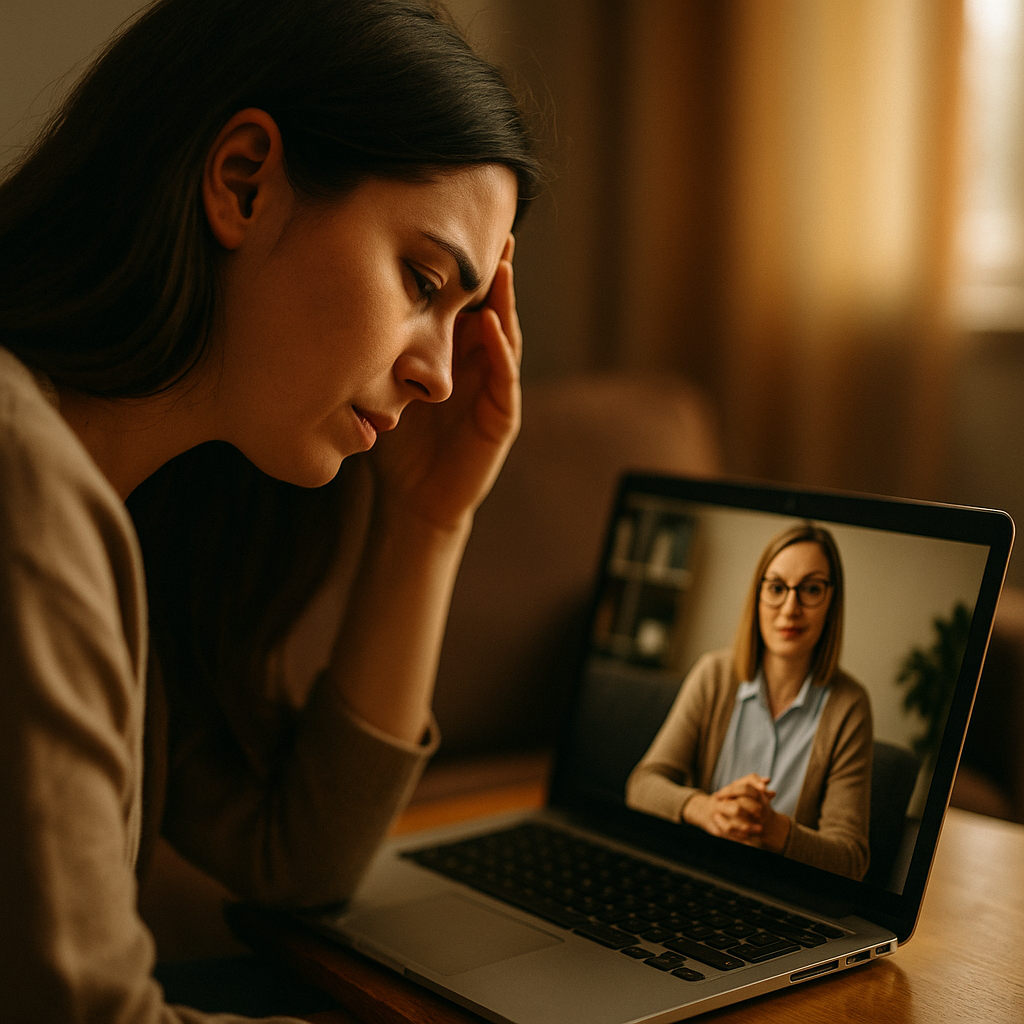
Online counseling has emerged as a lifeline for many seeking mental health support, offering convenience, accessibility, and privacy. However, the true power of online counseling lies in its ability to break down the stigma surrounding mental health through sharing vulnerable stories. Discover how these stories are changing perceptions and opening doors to a supportive community.
The Rise of Online Counseling and Mental Health Access
Online counseling platforms have transformed mental health care by making therapy accessible right from the comfort of home. Barriers such as geographic limitations, transportation difficulties, and schedule conflicts have become less daunting. According to the American Psychological Association in 2025, over 60% of therapists provide online counseling, reflecting growing trust in virtual mental health services. This shift has not only improved access but also encouraged more individuals to seek help without judgment.
The internet offers a wealth of resources, including licensed therapists, group sessions, and specialized programs for anxiety, depression, trauma, and other conditions. Enhanced privacy in online therapy also fosters a sense of security, allowing individuals to open up more freely than in traditional face-to-face settings. The digital environment eliminates the perceived risk of being seen entering a counselor’s office, thereby reducing self-consciousness and embarrassment.
Breaking Down Mental Health Stigma Through Vulnerable Stories
A significant barrier to seeking mental health care has always been societal stigma. In 2025, while attitudes are shifting, many still worry about judgment or misunderstanding. Here, online counseling plays a crucial role—the anonymous and safe environment empowers individuals to share their struggles openly through forums, blogs, and support groups. Vulnerable stories from real people help normalize mental health challenges and show that no one is truly alone in their experience.
By embracing storytelling as a tool, online counseling platforms destigmatize mental health. For instance, users commonly post anonymous testimonials or participate in moderated group chats where they discuss setbacks and progress alike. When others witness stories of confronting anxiety, overcoming trauma, or managing depression, it encourages a snowball effect of openness. The positive impact becomes visible as more share without shame, inspiring those still in silence to reach for support.
Peer Support and Online Counseling Communities
One noteworthy development in 2025 is the surge of peer-led mental health communities within online counseling. These virtual support networks cater to people seeking validation, advice, or simply a listening ear. Unlike traditional top-down therapy, peer support focuses on shared experience and collective healing. Vulnerable stories, told by peers with lived experiences, resonate deeply with those who feel isolated or misunderstood.
Peer communities often utilize discussion boards, weekly video meetups, and chat rooms, moderated by mental health professionals. Members offer practical tips, celebrate each other’s milestones, and provide comfort during setbacks. The shared narratives help break down social and cultural barriers, encourage emotional honesty, and build a sense of belonging—qualities essential for mental well-being and recovery.
Therapists’ Perspective: Encouraging Authentic Self-Expression
Modern therapists recognize the value of vulnerable stories shared through online counseling. In 2025, counselors are increasingly trained to create empathetic, judgment-free virtual spaces. Many therapists report that clients who start with written narratives or anonymous sessions feel more at ease expressing themselves. These methods allow for gradual trust-building while empowering clients to find their own voice.
Therapists often encourage storytelling as a therapeutic tool, helping clients reframe their challenges and celebrate progress. They might suggest journaling, video diaries, or participating in group forums as part of the healing process. This nurturing approach breaks the ice for those apprehensive about therapy, replaces stigma with understanding, and ensures that each story told gets the respect and attention it deserves.
Online Counseling and Cultural Sensitivity
Mental health stigma varies significantly across cultures. Online counseling platforms in 2025 strive for increased cultural sensitivity, offering services in multiple languages and catering to the unique needs of different communities. Vulnerable stories from diverse backgrounds are highlighted, demonstrating that mental health struggles are universal—and that seeking help is a strength, not a weakness.
By featuring counselors who understand distinct cultural values, faith backgrounds, and traditions, online platforms address pressure points more effectively. Multicultural forums help users see themselves represented and encourage honest conversation about stigma and expectations. Greater cultural inclusivity is breaking down the harmful belief that only “certain people” need therapy, broadening the reach and impact of vulnerable storytelling.
How to Share Your Story—and Why It Matters
Wondering how to share your own mental health journey online? Online counseling platforms simplify this process:
- Start small: Write or talk about your feelings in a secure, anonymous forum or journal.
- Choose your space: Many services offer private groups based on shared experiences, such as anxiety, grief, or addiction.
- Set boundaries: Decide how much to share, and always prioritize your comfort and privacy.
- Engage: Listen to others and offer supportive comments—community connection can be as healing as sharing.
- Seek help when needed: If sharing brings up challenging emotions, reach out to a mental health professional.
Sharing your story is a courageous act that benefits not only you, but others who learn they aren’t alone. Vulnerable stories are the keystone of changing outdated beliefs about mental health. They inspire, inform, and give hope to everyone navigating the journey towards healing.
Conclusion
Online counseling is dismantling the stigma surrounding mental health by championing vulnerable stories in accessible, empathetic, and culturally sensitive spaces. Through sharing, listening, and supporting others, people are building a stronger, stigma-free community. Remember, each story matters—and your voice could be the spark that encourages someone else to reach out for help.
FAQs: Online Counseling and Mental Health Stigma
- Is online counseling as effective as in-person therapy?
Many studies confirm that online counseling is as effective as traditional therapy, especially for anxiety, depression, and stress-related conditions. The key is finding a licensed provider and a format that suits your needs. - Can sharing my story online really help reduce stigma?
Yes. Sharing real, honest stories online normalizes mental health challenges, helps others feel less alone, and educates people who may have misconceptions about mental illness. - Is it safe to discuss mental health in online communities?
Legitimate counseling platforms use privacy protocols and moderation to ensure safe, respectful environments. Always choose reputable services, and avoid sharing identifiable personal details in public forums. - How can I find culturally competent online counselors?
Check platform directories for multilingual and culturally informed therapists. Many sites now allow filtering by specialty, background, or language to better match clients with counselors who understand their values and experiences. - What if I feel uncomfortable sharing my mental health story?
That’s okay. Take things at your own pace—listening to others and reflecting privately are valid first steps. When ready, even small acts of sharing can be profoundly healing and empowering.