


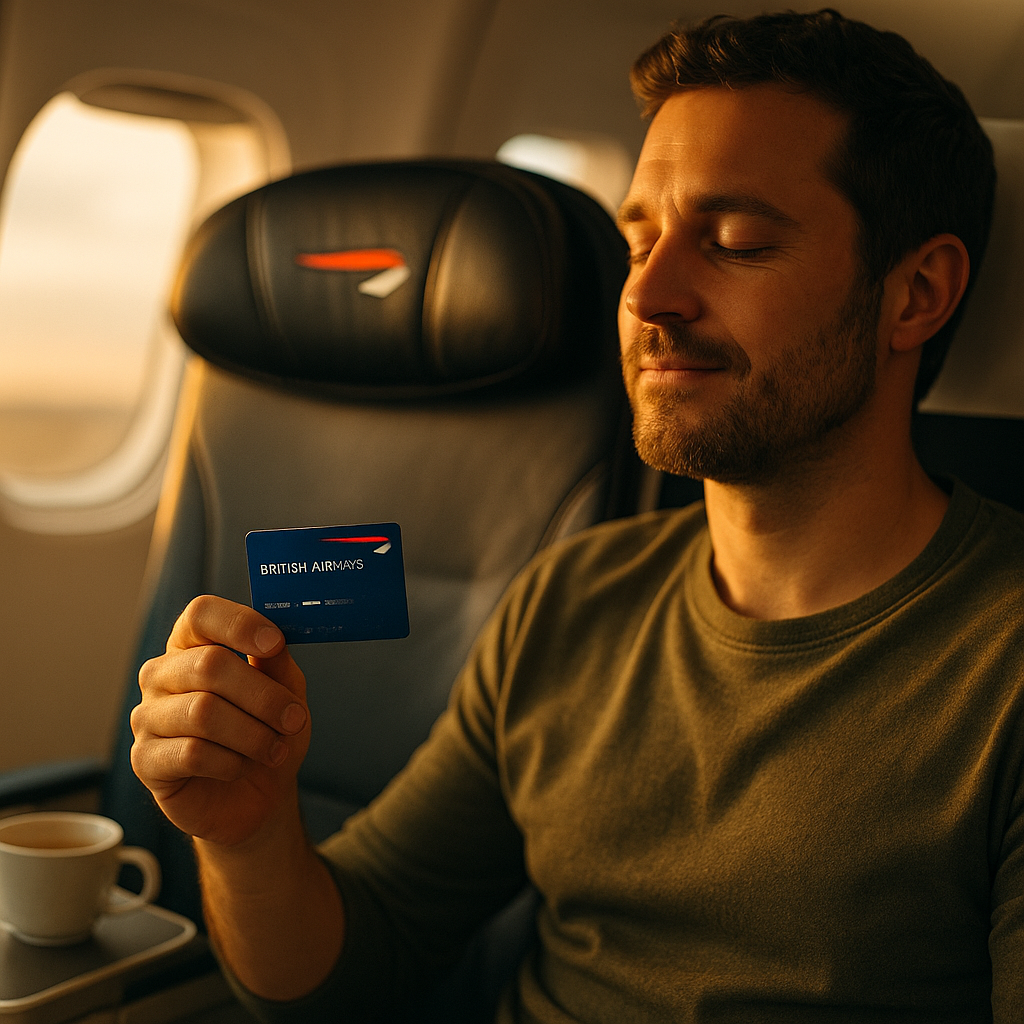
Case Study: How British Airways Revamped Loyalty for Present Wellbeing reveals how a legacy airline modernized rewards around what travelers value now: flexibility, recognition, and everyday relevance. In 2026, loyalty is no longer just about miles flown. It is about emotional trust, useful benefits, and seamless digital journeys. British Airways understood that shift, and its response offers a compelling lesson.
British Airways loyalty program: why change became unavoidable
The British Airways loyalty program had long benefited from brand recognition, a global route network, and the appeal of aspirational travel rewards. Yet by 2026, airline loyalty economics had changed. Travelers expected more than future discounts or complex tier charts. They wanted immediate value, transparent rules, and benefits that fit present wellbeing, not just long-term accumulation.
That shift matters because customer behavior has evolved in ways every airline now tracks closely:
- Leisure and blended travel have become more dynamic. Many members book shorter trips, mix business with personal travel, and compare airlines at the point of purchase.
- Digital expectations are higher. Members want to understand progress, unlock rewards quickly, and manage benefits in-app without friction.
- Wellbeing influences purchase decisions. Comfort, flexibility, stress reduction, and personalized service now shape loyalty more directly than abstract points balances.
- Competition extends beyond airlines. Credit cards, hotel brands, and lifestyle platforms all compete for the same customer attention.
For British Airways, the challenge was not simply to refresh branding around loyalty. It had to answer a harder question: how do you make a traditional airline program feel useful now, not someday? That required a redesign that aligned rewards with member psychology. Customers respond best when programs reduce effort, deliver visible progress, and reinforce a sense of being recognized.
In practical terms, that meant shifting from a model centered mainly on travel frequency and elite distance-based achievement toward a more rounded ecosystem. The program needed to reward broader engagement, communicate value more clearly, and support the emotional side of travel. Present wellbeing became a powerful lens because it speaks to what travelers actually experience before, during, and after a journey: less uncertainty, more control, and benefits they can use in real life.
Customer wellbeing in travel loyalty: what British Airways recognized
Customer wellbeing in travel loyalty is not a vague branding idea. It is a measurable business driver. Travelers who feel supported are more likely to book direct, upgrade, recommend the brand, and stay engaged between trips. British Airways appears to have recognized that wellbeing sits at the intersection of convenience, status, and trust.
In airline loyalty, wellbeing typically includes:
- Reduced friction through easier booking, redemption, and account management
- Perceived fairness in how points are earned and benefits are unlocked
- Emotional reassurance from flexible change policies and responsive service
- Physical comfort via lounge access, seat selection, boarding priority, and cabin upgrades
- Personal relevance through offers and rewards tied to actual customer behavior
British Airways had a strong foundation to build on because aviation naturally provides touchpoints where wellbeing can be improved. Priority services reduce airport stress. Reward flights make leisure travel feel more attainable. Tier benefits create a sense of recognition. But unless these benefits are easy to understand and accessible at the right moments, customers may undervalue them.
That is why the revamp matters. Rather than treating loyalty as a back-end accounting system, British Airways moved closer to a customer-experience framework. Present wellbeing became the bridge between transactional rewards and emotional loyalty. The airline could then position benefits not merely as perks for top spenders but as tools that improve the travel experience now.
For marketers and loyalty leaders, this is the core strategic lesson: if your program helps members feel better in the present, future loyalty becomes easier to earn. Points and status still matter, but they work best when they reinforce comfort, confidence, and clarity.
Airline rewards strategy: the key changes behind the revamp
An effective airline rewards strategy in 2026 must do three things well: simplify value, broaden earning opportunities, and make benefits feel immediate. British Airways’ revamp reflected these priorities by shifting attention from narrow reward mechanics to everyday usefulness.
While exact implementation details vary across markets, the strategy can be understood through several core moves.
1. Broader pathways to engagement
Traditional airline loyalty often over-rewards only frequent flyers. British Airways expanded relevance by encouraging engagement beyond flight purchases alone. This type of redesign typically includes partnerships, card-linked earning, ancillary purchases, and lifestyle touchpoints. That broadening matters because it gives members more reasons to interact with the brand between trips.
2. Faster visibility of progress
Members stay motivated when they can see movement. British Airways’ approach emphasized clearer progress indicators and more tangible milestones. In behavioral terms, visible progress reduces perceived effort. Customers are more likely to stay active when they understand how close they are to a reward or tier upgrade.
3. Benefits tied to immediate comfort
Programs that prioritize present wellbeing shift attention to benefits customers can feel right away. These may include seat-related perks, easier check-in experiences, baggage advantages, family-friendly features, or smoother redemption paths. Immediate benefits strengthen loyalty because they create memory, not just balance-sheet value.
4. Personalization at the journey level
Modern loyalty systems perform better when they reflect context. A traveler flying short-haul for city breaks values different benefits than a long-haul premium customer. British Airways’ revamp aligned more closely with this reality by focusing on relevant moments rather than one-size-fits-all communications.
5. A stronger digital layer
No loyalty redesign succeeds without a usable digital experience. Members need account clarity, reward discoverability, and self-service tools. By making digital journeys easier, British Airways could turn loyalty from a passive account feature into an active part of trip planning.
These changes are strategically important because they improve both member sentiment and commercial performance. Better engagement increases direct bookings, raises ancillary revenue opportunities, and reduces churn among mid-value customers who might otherwise drift to competitors.
Present wellbeing benefits: how the new model created value now
The phrase present wellbeing benefits captures the heart of this case study. British Airways recognized that loyalty becomes more powerful when members can use its value in the near term, not just after years of accumulation. This approach changes customer perception in several important ways.
First, it makes loyalty feel less abstract. Many consumers disengage from airline programs because they assume meaningful rewards are too far away or too difficult to redeem. When benefits are easier to access and more clearly tied to present comfort, participation rises.
Second, it improves trust. Members judge loyalty programs on whether promises feel real. If customers can see practical benefits early, they are more likely to believe the program will continue to reward them fairly.
Third, it supports emotional loyalty. Present wellbeing is not only about savings. It is also about feeling recognized and in control. Travel can be stressful. Any program that reduces that stress becomes more memorable than one that simply promises future points value.
Examples of present-focused value in airline loyalty include:
- Flexible redemption options that help members use balances without complex planning
- Tier-linked conveniences such as priority services that save time and reduce friction
- Travel experience upgrades that enhance comfort on current trips
- Family or companion-friendly features that extend the perceived usefulness of benefits
- Targeted offers aligned with current travel patterns rather than generic promotions
For British Airways, this model likely delivered value on both sides of the equation. Customers received benefits they could appreciate immediately, and the airline strengthened retention through experience differentiation. That distinction is crucial in mature categories. Airlines often struggle to stand out on price or schedule alone. A loyalty system built around present wellbeing can become a durable competitive advantage.
It also supports healthier member economics. When customers see practical value early, they are more willing to consolidate spend, choose direct channels, and explore premium add-ons. In other words, making loyalty more humane can also make it more profitable.
Digital customer experience in aviation: why execution mattered as much as design
Digital customer experience in aviation determines whether a loyalty strategy feels elegant or frustrating. British Airways’ revamp worked as a case study because the program logic was only part of the story. The member interface, communications, and servicing experience were equally important.
Customers do not experience loyalty as a white paper. They experience it in moments:
- When they join and try to understand the benefits
- When they log in to check progress
- When they compare flight options and wonder whether direct booking is worth it
- When they attempt to redeem points
- When disruptions happen and they need support quickly
If these moments feel confusing, the perceived value of the loyalty program drops. British Airways appears to have leaned into usability, which is consistent with what effective loyalty design requires in 2026.
Clearer communication helps members know what they earn, why it matters, and how to act. This reduces drop-off caused by complexity.
Better in-app functionality supports real-time engagement. Members should be able to review balances, track status, access offers, and complete reward-related tasks without switching channels.
More contextual messaging improves conversion. For example, surfacing upgrade options, lounge eligibility, or redemption opportunities at relevant stages of the journey makes benefits feel alive.
Service integration reinforces trust. When loyalty status is recognized across touchpoints, from booking to airport interactions, members feel that the program has substance.
This is where EEAT principles matter. Helpful content about airline loyalty should acknowledge what customers actually need: credible information, practical expectations, and transparent limitations. British Airways’ case illustrates that trust is built not by making the program sound generous, but by making it understandable and reliable.
For aviation brands evaluating similar changes, the lesson is straightforward: do not separate loyalty design from digital experience. The reward architecture creates the promise, but the interface delivers the proof.
Loyalty program transformation lessons: what brands can learn from British Airways
The strongest loyalty program transformation lessons from British Airways apply far beyond aviation. Any mature brand with a legacy rewards model can benefit from this case study because the underlying consumer dynamics are universal.
Lesson one: reward current behavior, not just historical habits. Customers have changed. Programs must adapt to flexible, multi-channel, less predictable patterns of purchase and engagement.
Lesson two: make benefits emotionally legible. Members need to understand not only what they get, but why it improves their lives. Present wellbeing gives brands a practical way to frame value around comfort, ease, and reassurance.
Lesson three: reduce mental effort. Complex earning structures, unclear redemption rules, and hidden exceptions damage trust. Simplicity is not a cosmetic feature. It is a retention strategy.
Lesson four: treat digital touchpoints as core loyalty infrastructure. The app, website, and service environment are not support tools. They are the experience.
Lesson five: use data responsibly to personalize relevance. Customers respond well when offers match their habits and needs. They respond poorly when personalization feels intrusive or disconnected from real behavior.
Lesson six: connect loyalty to business outcomes that matter. The right metrics include active member growth, direct booking share, redemption participation, ancillary attachment, satisfaction, and retention by segment.
British Airways demonstrated that revamping loyalty around present wellbeing is not a soft strategy. It is a disciplined commercial decision grounded in customer reality. The airline recognized that travelers are more likely to stay loyal when rewards reduce friction today, not only promise value later.
That insight is especially relevant in 2026, when consumers scrutinize every subscription, membership, and reward relationship more carefully. Brands that ask for loyalty must prove usefulness continuously. British Airways’ approach shows how to do that with greater clarity and confidence.
FAQs about British Airways loyalty and present wellbeing
What does “present wellbeing” mean in airline loyalty?
It refers to benefits that improve the traveler’s experience now, such as flexibility, comfort, convenience, recognition, and easier redemption. Instead of focusing only on future rewards, present wellbeing makes loyalty useful in the current journey.
Why did British Airways need to revamp its loyalty approach?
Traveler expectations changed. Customers now want simpler rewards, digital ease, and benefits that feel relevant immediately. A legacy structure centered mainly on long-term accumulation risked feeling too complex or too distant in value.
How can loyalty improve customer wellbeing?
Loyalty improves wellbeing by reducing stress and increasing control. Priority services, flexible options, personalized rewards, and clear digital tools all help travelers feel more supported before, during, and after a trip.
What are the business benefits of a present-focused loyalty model?
Brands can increase member engagement, encourage direct bookings, improve retention, boost ancillary revenue, and strengthen emotional loyalty. When customers experience value sooner, they are more likely to stay active.
Does this strategy only work for airlines?
No. Hotels, retailers, financial services brands, and subscription businesses can all apply the same principle. Reward structures work better when they provide immediate, understandable value tied to real customer needs.
What should brands prioritize first when redesigning loyalty?
Start with customer research, then simplify earning and redemption, clarify benefit communication, and improve digital usability. A loyalty relaunch should solve real friction points, not just introduce new terminology or visual branding.
British Airways’ loyalty revamp shows that modern rewards must serve customers in the present, not just in theory. By aligning benefits with wellbeing, convenience, and digital clarity, the airline made loyalty feel more immediate and meaningful. The key takeaway is simple: when brands reduce friction and deliver useful value now, they earn stronger trust, deeper engagement, and more resilient long-term loyalty.