


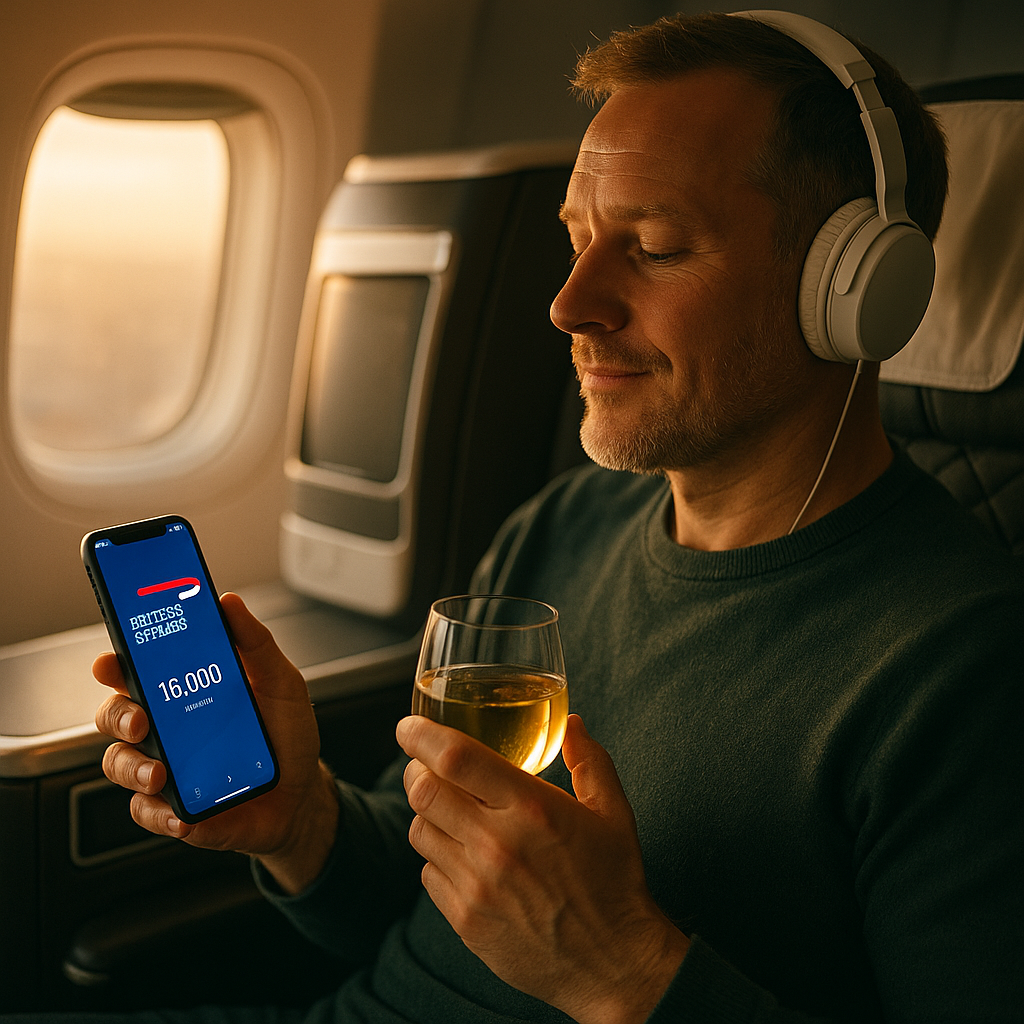
Case Study: How British Airways Revamped Loyalty for Present Wellbeing sits at the intersection of customer retention and human needs in 2025. Travelers still want value, but they also want flexibility, clarity, and fewer points-related frustrations. British Airways responded by rethinking what loyalty should feel like today: less like gaming a system, more like supporting real journeys and real lives. What changed, and what can other brands learn?
British Airways loyalty program update: why “present wellbeing” became the brief
Airline loyalty used to lean heavily on aspiration: chase status, save for a premium cabin, endure complexity because the payoff felt distant. In 2025, that model faces pressure from three realities most loyalty leaders now acknowledge:
- Value scrutiny: Customers compare prices and benefits instantly, and they abandon programs that feel opaque or hard to redeem.
- Time scarcity: Members want rewards that fit their current schedule and life stage, not only a future “big trip.”
- Wellbeing expectations: Travel stress, disruption risk, and personal financial caution make members prioritize peace of mind over prestige.
British Airways reframed loyalty around present wellbeing: delivering benefits that reduce friction now, not just later. That meant designing for predictability (clear earning and redemption), flexibility (more ways to use rewards), and recognition (members feel seen across more touchpoints). Importantly, BA approached this as a loyalty system redesign rather than a marketing campaign, which matters because customer trust is earned through repeated experiences.
Readers often ask whether “wellbeing” is too soft to drive revenue. In practice, it maps directly to measurable behaviors: increased repeat purchase, higher app engagement, fewer service contacts per booking, and stronger retention during disruptive periods.
Executive Club and Avios modernization: simplifying earning and increasing perceived value
BA’s loyalty ecosystem centers on the Executive Club and Avios. The revamp focused on making value easier to understand and easier to access, because confusion is a conversion killer. While airlines rarely publish every internal rule change in a single narrative, members experience modernization through a few consistent themes:
- More transparent reward math: Clearer pricing signals help members estimate how far their Avios will go before they commit to a booking.
- Fewer “gotchas”: When surcharges, availability constraints, or redemption rules surprise customers late in the journey, satisfaction collapses. BA’s direction has been to reduce surprises and standardize expectations.
- Everyday relevance: Partnerships and redemption options beyond long-haul flights can make Avios feel like a living currency rather than a distant promise.
From an EEAT standpoint, the key is how these changes align with established loyalty principles: members stay when a program is understandable, usable, and trustworthy. “Usable” is where wellbeing shows up. If a member can apply rewards to reduce today’s cost, upgrade comfort on a near-term trip, or book a simpler itinerary with fewer friction points, the program stops feeling like a spreadsheet and starts feeling supportive.
A practical example of perceived value: many members prefer smaller, reliable wins over saving for years for a single redemption that may not have seats. BA’s modernization efforts prioritize consistent access and clearer decision-making, which improves the member’s sense of control.
Customer wellbeing in airline rewards: flexibility, choice, and reduced travel anxiety
“Present wellbeing” becomes real when it removes anxiety at moments that typically cause stress: booking, changing plans, and managing disruption. BA’s loyalty revamp emphasized benefits and experiences that protect the member’s time and mental bandwidth.
1) Flexibility that members can actually use
Traditional loyalty flexibility often exists on paper but fails in execution due to complex rules. A wellbeing-oriented program aims to make flexible options discoverable, consistent, and quick to apply. For members, that means fewer steps to:
- Use Avios to reduce cash price in a predictable way
- Choose from multiple redemption paths that fit budget and schedule
- Make changes without feeling penalized or trapped
2) Choice architecture that respects different member goals
Not everyone wants the same reward. A frequent business traveler may value lounge access and priority services; a family traveler may value seat selection and a smoother airport experience. By expanding and clarifying choices, BA supports “wellbeing” as personalization without forcing members into a single definition of value.
3) Reduced uncertainty in the digital journey
App and web experiences are now part of loyalty. BA’s direction toward clearer eligibility, simpler redemption flows, and stronger account visibility reduces cognitive load. The follow-up question readers often have is: “Is that really loyalty, or just UX?” In 2025, it’s both. Loyalty is increasingly the sum of micro-moments that either build confidence or create doubt.
Tier status benefits and recognition: making loyalty feel immediate, not distant
Status programs can motivate, but they can also exhaust members when progress feels slow or arbitrary. BA’s revamp treated recognition as an everyday product: members should feel benefits in the present, not only at the end of a long chase.
Making progress legible
Members engage more when they understand how to earn status and what it unlocks. Clear progress indicators, consistent qualification logic, and straightforward explanations of benefits reduce frustration. This supports wellbeing by reducing time spent “doing the math,” especially for travelers managing multiple priorities.
Designing benefits around stress points
Some benefits sound glamorous but don’t reduce friction. Wellbeing-led loyalty emphasizes benefits that make travel calmer:
- Priority services that reduce queue time and uncertainty
- Comfort upgrades where available that improve the in-flight experience
- Support pathways that help members resolve issues faster
Recognition across the journey
Recognition is not only a tier badge; it’s how consistently the airline delivers the promised experience. BA’s approach signals that loyalty must be operationally supported: airport processes, customer service tooling, partner handoffs, and digital servicing must all reinforce the same promise.
If you’re evaluating whether a tier structure supports present wellbeing, ask: “Do members feel the benefit on their next trip, or only after multiple cycles?” BA’s shift points toward more immediate utility.
Digital loyalty experience and data trust: personalization without crossing the line
Personalization can improve wellbeing, but only if customers trust the brand with their data. In 2025, privacy expectations are higher and tolerance for irrelevant messaging is lower. BA’s loyalty revamp implicitly depends on a trust contract: members share data, and in return they get simpler, more relevant experiences.
What trustworthy personalization looks like
- Helpful, not invasive: Recommendations based on clear intent signals (e.g., upcoming trips) rather than overly sensitive inference.
- Control and clarity: Preference centers and communication settings that are easy to find and easy to change.
- Consistency: The offer a member sees should match what the system can deliver, avoiding disappointment.
Operationalizing “less stress” with digital tools
BA’s loyalty improvements align with a broader airline shift: use digital to pre-empt issues and reduce service burdens. Examples include clearer self-service options, better real-time account visibility, and proactive notifications. Each of these reduces the member’s need to chase answers, which is a direct wellbeing gain.
For leaders reading this as a blueprint, the practical lesson is: personalization is an experience discipline, not an advertising tactic. When the app, the contact center, and the airport experience all agree, members feel safe relying on the program.
Loyalty KPIs and lessons for brands: how to measure “wellbeing” and ROI
Wellbeing can sound qualitative, but BA’s approach can be measured with standard loyalty and customer experience metrics. The difference is choosing KPIs that reflect present value, not just long-term accumulation.
Metrics that map to present wellbeing
- Redemption frequency: Are more members using rewards in smaller, regular ways?
- Time-to-redeem: How long from earning to first redemption? Shorter cycles often indicate higher perceived value.
- Digital servicing rate: More self-service success usually means less friction and lower anxiety.
- Contact rate per booking: If it drops, the journey is clearer and easier.
- Retention by segment: Do occasional travelers stay engaged, not only frequent flyers?
Commercial outcomes you can tie back to loyalty design
When members perceive immediate utility, brands typically see improvements in repeat purchase rate, share of wallet, and partner revenue. The healthiest programs also see lower churn after disruptions because members trust the airline to make things right.
Transferable lessons from BA’s revamp
- Design for the next trip: Make it easy for members to improve their next experience, not only their future dream trip.
- Remove cognitive load: Simplify rules, reduce exceptions, and explain trade-offs plainly.
- Build trust with consistency: A loyalty promise is only as strong as operational delivery.
- Let members choose value: Flexibility is a wellbeing feature and a retention driver.
FAQs
What does “present wellbeing” mean in an airline loyalty program?
It means the program delivers benefits that reduce stress and increase value on near-term travel: simpler redemption, clearer rules, flexible options, and recognition that improves today’s journey rather than only rewarding long-term accumulation.
How did British Airways make Avios feel more valuable without simply giving away more points?
By improving usability and clarity: making earning and redemption easier to understand, reducing unpleasant surprises, and expanding ways members can apply Avios to trips and travel-related needs. Perceived value rises when members can confidently use rewards.
Does simplifying loyalty reduce profitability?
No. Simplification often improves profitability by increasing engagement, redemption confidence, and repeat purchase. It can also lower service costs by reducing confusion-driven contacts and complaints, while strengthening retention during disruption.
What benefits matter most for wellbeing-focused frequent flyers?
Benefits that reduce uncertainty and time loss: priority services, smoother airport processes, faster issue resolution, and flexible redemption options. Comfort-related rewards also matter when they are accessible and clearly explained.
How can other brands measure whether loyalty improves wellbeing?
Track time-to-redeem, redemption frequency, contact rate per booking, self-service success, satisfaction after changes or disruptions, and retention by segment. Combine behavioral metrics with feedback at key moments (booking, pre-trip, day-of-travel, post-trip).
What is the biggest risk when revamping a loyalty program?
Breaking trust through inconsistency: promising flexibility or value that systems, partners, or frontline operations cannot deliver. The safest path is to align program rules, digital experiences, and service operations before amplifying the message.
British Airways’ loyalty revamp shows how to make rewards work for members in the present, not just as a distant aspiration. By prioritizing clarity, flexibility, and reliable recognition, BA aligned Avios and status benefits with what travelers value in 2025: control, calmer journeys, and usable value. The takeaway is simple: loyalty grows when it measurably reduces friction on the next trip.