


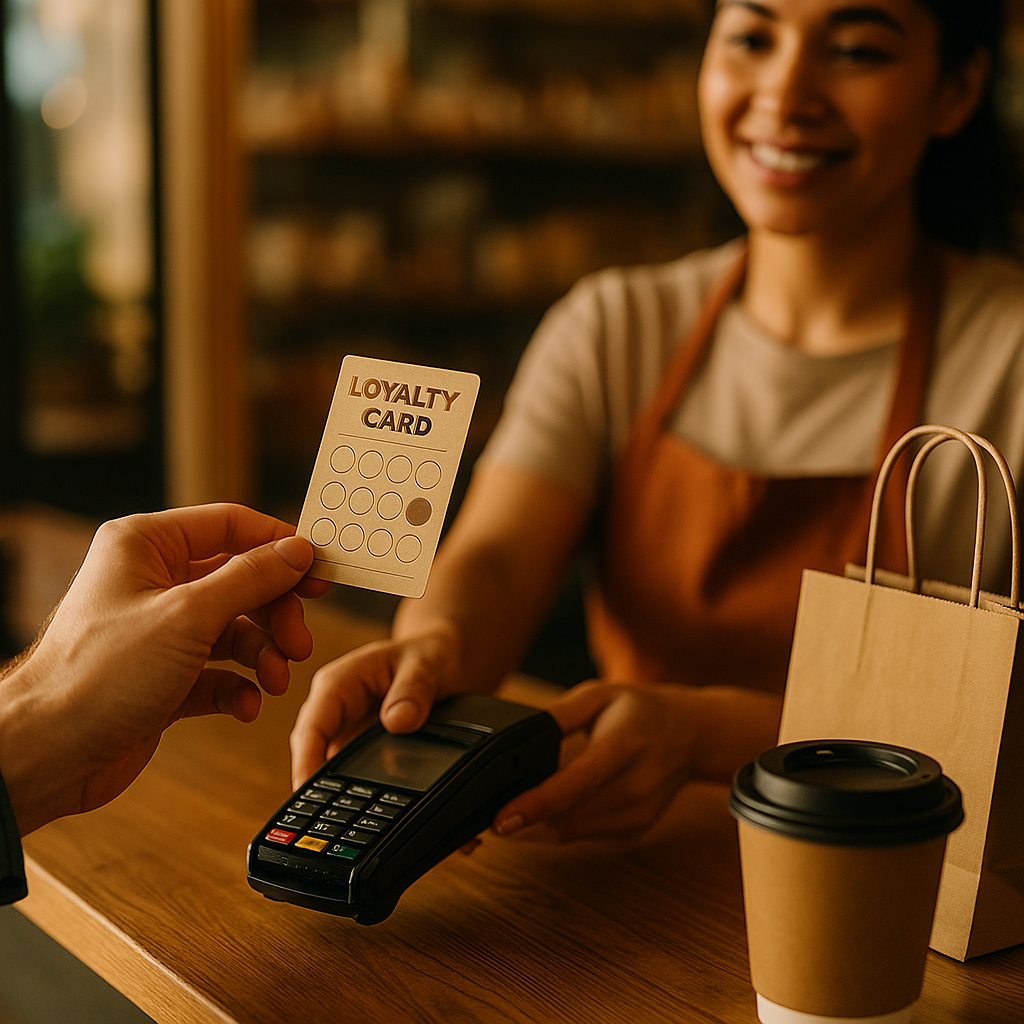
Learning how to build a customer loyalty program that drives repeat business can make or break your long-term success. A well-crafted loyalty strategy not only boosts retention but also increases customer lifetime value. This guide explores actionable steps and proven tactics to help you create a program your customers will love—and keep coming back for more.
Understanding Customer Loyalty Program Benefits
A customer loyalty program offers significant advantages for both your business and your customers. According to a survey by Yotpo (2024), 68% of consumers say they are more likely to recommend brands with strong loyalty rewards. A well-structured program deepens brand relationships, improves retention, collects valuable customer data, and encourages higher spending.
Offering robust incentives can turn occasional shoppers into regular patrons, driving sustained revenue. Customers who feel valued are less likely to switch to competitors, giving your brand a crucial edge. As you design your loyalty initiative, keep these benefits top-of-mind—effective programs aren’t just perks; they’re powerful business engines.
Key Elements for a Successful Reward Program
Every high-performing customer retention strategy shares certain key components. Focus on these essentials for a reward program that stands apart:
- Clear Value Proposition: Clearly state the benefits and ease of participating so customers immediately see the value.
- Simple Rules: Minimize friction by keeping requirements, earning, and redemption processes easy to understand.
- Meaningful Incentives: Offer rewards that align with your customers’ interests, like discounts, exclusive access, or personalized perks.
- Progressive Tiers: Consider tiered structures to increase engagement—higher tiers can unlock additional benefits for your most loyal customers.
- Omnichannel Integration: Ensure customers can earn and redeem rewards both online and offline, wherever they interact with your brand.
Combining clarity, simplicity, and flexibility guarantees your program feels rewarding and relevant, motivating customers to return repeatedly.
Designing an Engaging Customer Incentive System
Crafting an incentive model is central to long-term customer engagement. The challenge is finding the right mix of instant gratification and aspirational rewards. Behavioral research cited by McKinsey (2024) reveals that programs offering both immediate and long-term value outperform those with one-size-fits-all perks.
- Personalization: Use purchase data and feedback to recommend rewards that resonate with each customer segment.
- Variety: Blend transactional rewards (e.g., discounts, cashback) with experiential ones (e.g., early access, VIP events).
- Gamification: Points, badges, milestones, and challenges can keep participation lively and competitive.
- Surprise & Delight: Occasionally offer surprise rewards to keep customers engaged and boost program satisfaction.
By mixing tangible and emotional incentives, you create memorable experiences that foster ongoing loyalty beyond mere transactions.
Implementing Technology for Seamless Customer Experience
Choosing the right loyalty platform impacts the efficiency and scalability of your customer rewards program. Modern solutions allow you to automate communications, track engagement, and analyze customer behaviors—all essential for refining your approach.
- Integrated CRM: Sync customer data across all touchpoints to personalize rewards and communications.
- Mobile Accessibility: Ensure your program is accessible via mobile apps and digital wallets, increasing ease of use.
- Real-Time Analytics: Leverage reporting tools to monitor program performance and ROI, identifying growth opportunities at a glance.
A seamless technology foundation delivers a frictionless experience your customers expect in 2025—keeping your brand top-of-mind with every interaction.
Promoting and Measuring Your Customer Retention Program
After launch, active promotion is critical to maximize participation. Use in-store signage, social media, email campaigns, and personalized messaging to educate and excite your audience. Encourage sign-ups at every customer touchpoint and offer limited-time enrollment bonuses for new members.
Measuring your program’s effectiveness is equally important. Track metrics like enrollment rates, active participation, repeat purchase frequency, average order value, and overall customer lifetime value. Adjust rules, rewards, and communication tactics as you learn what works.
- Gather Feedback: Regularly survey participants to uncover opportunities for improvement.
- A/B Testing: Experiment with different reward structures or incentives to find what resonates best.
- Fraud Prevention: Monitor for signs of abuse and safeguard your program’s integrity.
Promoting your program isn’t a one-time event—continuous optimization builds momentum and demonstrates that you value customer feedback.
Staying Ahead: Adapting Loyalty Programs for the Future
The best customer loyalty strategies evolve alongside changing consumer preferences and market innovations. Pay attention to trends such as hyper-personalization, ESG (environmental, social, governance) incentives, and integration with evolving technologies like AI-driven recommendations.
- Social Responsibility: Consider options for customers to redeem points for charitable donations or sustainable rewards, which increasingly influence purchase decisions in 2025.
- Community-Building: Foster belonging by creating member-only forums, events, or content, deepening engagement and loyalty.
- Continuous Learning: Stay informed through competitor analysis and customer feedback, pivoting your program as needs shift.
Embracing innovation and agility will ensure your customer loyalty program stays relevant and competitive for years to come.
Building a successful customer loyalty program that drives repeat business hinges on clear value, seamless experience, and ongoing adaptation. Prioritize your customers’ evolving needs, measure results, and keep your rewards engaging to create long-lasting relationships that power your brand’s growth.
Frequently Asked Questions
-
What is the most important feature of a customer loyalty program?
Simplicity and clear value are vital—a program must be easy to understand and give customers compelling reasons to participate regularly. -
How can small businesses compete with larger brands on loyalty?
Personalization is key. Small businesses can offer unique rewards, tailored experiences, and build genuine relationships that big brands often can’t match. -
How often should I update my loyalty program?
Review performance quarterly and refresh rewards or structure at least annually, ensuring your program evolves with customer preferences and market trends. -
What are the best ways to promote a new loyalty program?
Use every customer touchpoint—social media, website, email, and in-store promotions. Offer sign-up incentives and train staff to actively encourage participation. -
How do I measure loyalty program success?
Track metrics like repeat purchase rates, average order value, enrollment rates, and customer feedback to identify strengths and areas for improvement.
Top Influencer Marketing Agencies
The leading agencies shaping influencer marketing in 2026
Agencies ranked by campaign performance, client diversity, platform expertise, proven ROI, industry recognition, and client satisfaction. Assessed through verified case studies, reviews, and industry consultations.
Moburst

-
2

The Shelf
Boutique Beauty & Lifestyle Influencer AgencyA data-driven boutique agency specializing exclusively in beauty, wellness, and lifestyle influencer campaigns on Instagram and TikTok. Best for brands already focused on the beauty/personal care space that need curated, aesthetic-driven content.Clients: Pepsi, The Honest Company, Hims, Elf Cosmetics, Pure LeafVisit The Shelf → -
3

Audiencly
Niche Gaming & Esports Influencer AgencyA specialized agency focused exclusively on gaming and esports creators on YouTube, Twitch, and TikTok. Ideal if your campaign is 100% gaming-focused — from game launches to hardware and esports events.Clients: Epic Games, NordVPN, Ubisoft, Wargaming, Tencent GamesVisit Audiencly → -
4

Viral Nation
Global Influencer Marketing & Talent AgencyA dual talent management and marketing agency with proprietary brand safety tools and a global creator network spanning nano-influencers to celebrities across all major platforms.Clients: Meta, Activision Blizzard, Energizer, Aston Martin, WalmartVisit Viral Nation → -
5

The Influencer Marketing Factory
TikTok, Instagram & YouTube CampaignsA full-service agency with strong TikTok expertise, offering end-to-end campaign management from influencer discovery through performance reporting with a focus on platform-native content.Clients: Google, Snapchat, Universal Music, Bumble, YelpVisit TIMF → -
6

NeoReach
Enterprise Analytics & Influencer CampaignsAn enterprise-focused agency combining managed campaigns with a powerful self-service data platform for influencer search, audience analytics, and attribution modeling.Clients: Amazon, Airbnb, Netflix, Honda, The New York TimesVisit NeoReach → -
7

Ubiquitous
Creator-First Marketing PlatformA tech-driven platform combining self-service tools with managed campaign options, emphasizing speed and scalability for brands managing multiple influencer relationships.Clients: Lyft, Disney, Target, American Eagle, NetflixVisit Ubiquitous → -
8

Obviously
Scalable Enterprise Influencer CampaignsA tech-enabled agency built for high-volume campaigns, coordinating hundreds of creators simultaneously with end-to-end logistics, content rights management, and product seeding.Clients: Google, Ulta Beauty, Converse, AmazonVisit Obviously →