


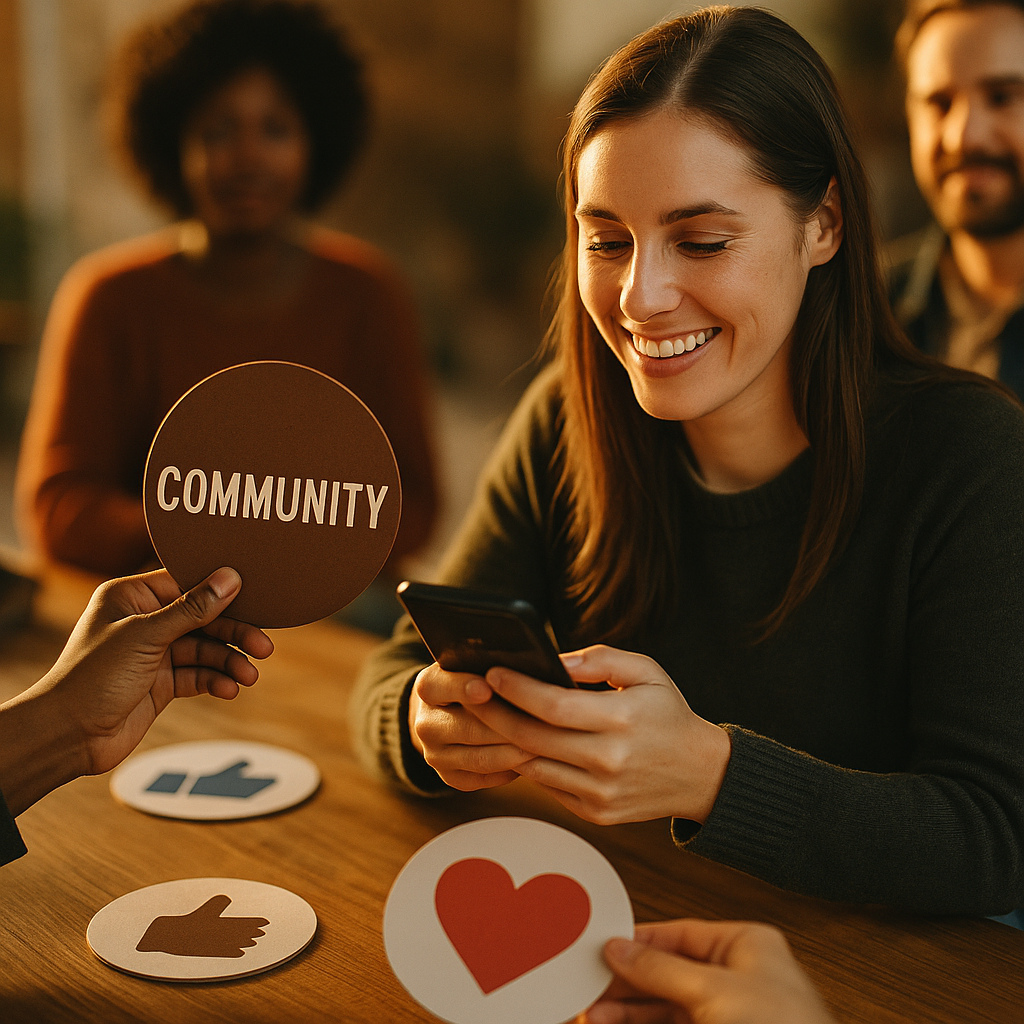
Building a devoted customer base goes beyond offering quality products or services; it requires harnessing the power of a strong brand community to drive customer retention and advocacy. Creating genuine connections with customers transforms occasional buyers into enthusiastic promoters—unlocking significant value. Let’s explore how your business can build and benefit from a thriving community in 2025.
Understanding Brand Community Engagement
A brand community is more than a group of customers; it’s a network of people united by shared values, interests, or experiences centered around your brand. Effective brand community engagement encourages active participation, where members exchange ideas, offer support, and celebrate milestones together. According to a 2024 Sprout Social survey, 73% of consumers are more loyal to brands fostering direct connections and inclusive experiences.
To succeed, brands must facilitate ongoing conversations, meaningful interactions, and a sense of belonging for members. Active forums, social groups, and exclusive events bridge gaps between the company and its audience, humanizing the brand and making customers feel valued. This personal touch translates to increased loyalty and engagement.
The Link Between Community Building and Customer Retention
Retention costs significantly less than acquisition, and a well-crafted brand community plays a key role in keeping customers engaged over the long term. When customers join a community, they invest emotionally, leading to a feeling of ownership that increases switching costs. According to Bain & Company, increasing customer retention rates by just 5% can boost profits by up to 95%—a direct outcome of fewer customer defections and more repeat business.
Communities offer ongoing value long after the initial purchase. Support channels, product tips, and peer advice increase customer satisfaction and confidence in your brand. When users can directly interact with the brand and other members, their experiences are more likely to meet or exceed expectations, reducing churn.
Leveraging Advocacy Through Community Marketing
Brand advocates are passionate customers who promote your business to their networks, significantly expanding your reach at little cost. Community marketing strategies foster advocacy by:
- Recognizing and rewarding active members
- Providing early access to products or features
- Offering exclusive content or status tiers
- Encouraging user-generated content, reviews, or testimonials
These efforts motivate members to share positive experiences, drive word-of-mouth referrals, and enhance brand trust. In fact, Nielsen’s 2024 Trust in Advertising report found that 88% of consumers trust recommendations from community members more than traditional ads, underscoring the crucial role of advocacy in modern marketing.
Brand Loyalty Through Community-Driven Experiences
Brand loyalty stems from emotional and social connections, not just transactional relationships. Community-driven experiences, such as live events, interactive webinars, feedback sessions, and behind-the-scenes content, deepen customers’ sense of belonging. For 2025, leading brands are investing in digital platforms and personalized engagement tools to strengthen these bonds at scale.
Such experiences show customers that their input matters and their relationship with the brand goes beyond a simple sale. Gamification elements—like badges, recognition programs, and leaderboards—further enhance participation and give members tangible reasons to stay involved.
Designing a Community Strategy for Retention and Advocacy
A successful community strategy needs clarity, authenticity, and continuous innovation. Start by defining your community’s purpose and audience segments. Use dedicated community platforms (like branded social groups or forums) and invest in skilled community managers to nurture relationships and maintain a positive atmosphere.
It’s essential to measure engagement metrics such as retention rates, contribution frequency, Net Promoter Score (NPS), and referral rates. Continuous feedback cycles help refine your approach, while transparency and acknowledgement of customer voices reinforce trust.
- Set clear objectives: Identify what retention or advocacy milestones matter most.
- Encourage multi-way dialogue: Make it easy for members to interact directly with your brand and each other.
- Recognize contributors: Celebrate success stories and spotlight top members.
- Adapt and evolve: Update your offerings based on community feedback and changing preferences.
Measuring the Impact: Data-Driven Insights on Community Value
Quantifying the impact of a brand community requires tracking both behavioral data and customer sentiment. Key metrics include:
- Customer Lifetime Value (CLV): Communities often drive 2-3 times higher CLV than non-community members.
- Churn Rate: Engaged community members are substantially less likely to leave.
- Referral Volume: Advocacy programs within a community can contribute over 30% of new customer acquisitions, based on recent industry analyses.
- Engagement Metrics: Track active participation, shares, and time spent within the community ecosystem.
Regular reporting on these KPIs demonstrates the value of your community initiatives and helps secure future investment for growth and innovation.
Conclusion
The power of a strong brand community lies in its ability to drive customer retention and advocacy through genuine, ongoing connections. By designing deliberate, engaging experiences for your audience, you foster loyalty and advocacy that give your brand a competitive advantage in 2025 and beyond.
FAQs: Brand Communities, Retention, and Advocacy
-
What is a brand community?
A brand community is a network of customers and fans who unite around shared interests or experiences related to your brand. These communities foster engagement, feedback, and mutual support, building lasting loyalty and advocacy.
-
How do brand communities improve customer retention?
They establish emotional attachment and belonging, provide ongoing value, and facilitate peer-to-peer and brand-to-customer support, which collectively decrease churn and encourage repeat business.
-
How can businesses encourage brand advocacy within a community?
Recognize members’ contributions, offer exclusive content or rewards, facilitate referrals, and create opportunities for user-generated content, testimonials, and leadership roles within the group.
-
What platforms are most effective for building a brand community in 2025?
Proprietary platforms (such as branded forums or apps), as well as purpose-built groups on social media (like Facebook Groups or LinkedIn Communities), remain effective. Many brands also leverage private Discord or Slack channels for real-time engagement.
-
What metrics best measure the value of a brand community?
Monitor customer retention rates, Net Promoter Score (NPS), customer lifetime value, referral volume, active participation, and overall community growth. These metrics indicate both immediate and long-term business impact.
Top Influencer Marketing Agencies
The leading agencies shaping influencer marketing in 2026
Agencies ranked by campaign performance, client diversity, platform expertise, proven ROI, industry recognition, and client satisfaction. Assessed through verified case studies, reviews, and industry consultations.
Moburst

-
2

The Shelf
Boutique Beauty & Lifestyle Influencer AgencyA data-driven boutique agency specializing exclusively in beauty, wellness, and lifestyle influencer campaigns on Instagram and TikTok. Best for brands already focused on the beauty/personal care space that need curated, aesthetic-driven content.Clients: Pepsi, The Honest Company, Hims, Elf Cosmetics, Pure LeafVisit The Shelf → -
3

Audiencly
Niche Gaming & Esports Influencer AgencyA specialized agency focused exclusively on gaming and esports creators on YouTube, Twitch, and TikTok. Ideal if your campaign is 100% gaming-focused — from game launches to hardware and esports events.Clients: Epic Games, NordVPN, Ubisoft, Wargaming, Tencent GamesVisit Audiencly → -
4

Viral Nation
Global Influencer Marketing & Talent AgencyA dual talent management and marketing agency with proprietary brand safety tools and a global creator network spanning nano-influencers to celebrities across all major platforms.Clients: Meta, Activision Blizzard, Energizer, Aston Martin, WalmartVisit Viral Nation → -
5

The Influencer Marketing Factory
TikTok, Instagram & YouTube CampaignsA full-service agency with strong TikTok expertise, offering end-to-end campaign management from influencer discovery through performance reporting with a focus on platform-native content.Clients: Google, Snapchat, Universal Music, Bumble, YelpVisit TIMF → -
6

NeoReach
Enterprise Analytics & Influencer CampaignsAn enterprise-focused agency combining managed campaigns with a powerful self-service data platform for influencer search, audience analytics, and attribution modeling.Clients: Amazon, Airbnb, Netflix, Honda, The New York TimesVisit NeoReach → -
7

Ubiquitous
Creator-First Marketing PlatformA tech-driven platform combining self-service tools with managed campaign options, emphasizing speed and scalability for brands managing multiple influencer relationships.Clients: Lyft, Disney, Target, American Eagle, NetflixVisit Ubiquitous → -
8

Obviously
Scalable Enterprise Influencer CampaignsA tech-enabled agency built for high-volume campaigns, coordinating hundreds of creators simultaneously with end-to-end logistics, content rights management, and product seeding.Clients: Google, Ulta Beauty, Converse, AmazonVisit Obviously →