


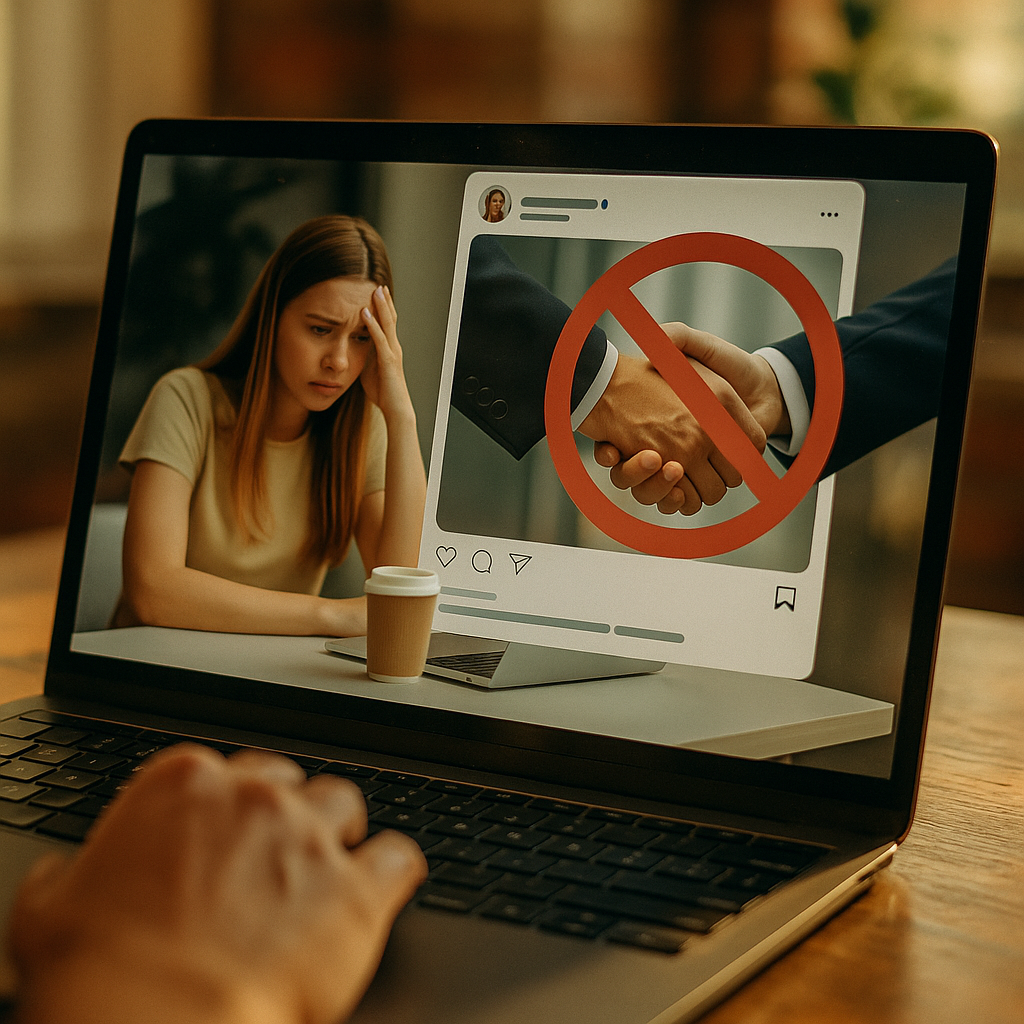
The impact of “cancel culture” on brand partnerships has rapidly evolved in the digital landscape of 2025. As social media drives public opinion, brands must tread carefully when selecting collaborators. This complex interplay raises pressing questions about reputation, trust, and the real cost of public backlash. How are businesses adapting their partnership strategies in this new era?
The Evolution of Cancel Culture and Brand Reputations
Cancel culture, the widespread practice of withdrawing support from individuals or businesses due to controversial actions or statements, has fundamentally altered modern brand management. In 2025, social media virality means a brand partner’s misstep quickly becomes headline news, triggering both immediate consumer activism and long-term reputation harm.
Increasingly, cancel culture is a risk factor integrated into campaigns and contracts. Brands conduct rigorous background checks and ongoing monitoring before and after launching collaborative efforts. According to a 2024 Statista survey, 73% of global marketers now cite “reputation alignment” as the top factor in partnership decisions, up from 52% just three years prior.
Brands are not merely reactive; they’re proactively strategizing. Clear social values, transparent policies, and proactive communication are now essential to sidestep online backlash and maintain public trust.
Brand Partnerships and Public Perception: The Double-Edged Sword
Partnering with celebrities, influencers, or other brands can deliver immense value and visibility. However, in the landscape shaped by cancel culture, these relationships present a double-edged sword. A partner’s controversial statement or historical behavior can ignite backlash that affects the brand’s public perception—sometimes overnight.
In 2025, consumers demand authenticity and accountability. The power dynamic has shifted: negative sentiment spreads faster on platforms like TikTok and X (formerly Twitter), often resulting in calls for boycotting both the partner and the brand itself. For example, a 2024 Deloitte study found that 61% of consumers report reduced trust in brands that continue partnerships after a partner is “cancelled.”
This direct influence requires brands to carefully weigh potential benefits against reputational risks, with transparent crisis management plans at the ready.
Risk Assessment in Influencer and Celebrity Collaborations
The surge of influencer and celebrity partnerships brings both opportunity and risk. The modern consumer scrutinizes every action and message. Vetting goes beyond popularity and engagement; brands now analyze partners’ past conduct, affiliations, and values to ensure alignment.
- Comprehensive Background Checks: Brands are investing in tools to scan digital histories and uncover potential “red flags.”
- Real-Time Monitoring: AI-driven analytics monitor current partner activity, detecting potential controversies as they arise.
- Morality Clauses: Contracts increasingly contain clauses allowing quick termination if a partner’s actions threaten the brand’s integrity.
By applying these best practices, brands can mitigate risks and respond quickly—a necessity in today’s hyper-connected environment where backlash evolves in real time.
Case Studies: Successful and Failed Brand Partnerships Amidst Cancel Culture
There are clear lessons to learn from partnerships both harmed and helped by cancel culture in recent years.
- Successful Example: In 2024, a leading sportswear company swiftly ended its collaboration with a well-known athlete following credible allegations, simultaneously launching a campaign to support affected communities. Their prompt action and clear communication strengthened customer loyalty, as reflected in a subsequent 14% quarterly sales increase.
- Failed Example: Conversely, a popular beverage brand’s delayed response to a partner’s offensive remarks in 2023 resulted in sustaining six months of negative trending hashtags and a measurable sales dip. The public perceived their slow reaction as complicity, eroding long-term trust.
Brands that prioritize transparency, swift action, and authentic values have been most successful in maintaining partnerships that align with community standards and public expectations. These cases underscore that, in the age of cancel culture, both action and inaction can define a brand’s future.
Balancing Social Responsibility with Business Objectives
Achieving the balance between business goals and social responsibility is now essential for brand partnerships. Brands are expected not only to avoid controversy but also to show a clear stance on social issues. This expectation extends to every collaborator, influencer, or co-branded venture.
Best practices include:
- Aligning Values: Ensure all partners share the brand’s mission, core beliefs, and corporate social responsibility objectives.
- Establishing Clear Guidelines: Develop, communicate, and enforce partnership codes of conduct.
- Engaging Stakeholders: Regularly consult consumers and employees to gauge changing standards and priorities.
By authentically integrating social values across the supply chain and partnership portfolios, brands cultivate a positive image, foster loyalty, and reduce exposure to backlash—creating a virtuous cycle for both business growth and social progress.
Navigating Future Trends in Brand Partnerships and Cancel Culture
Looking forward, several trends are shaping how brands and partners navigate the challenges of cancel culture. Advanced AI now predicts risk factors, and brands are leveraging data-driven reputation management tools. Diversity, equity, and inclusion (DEI) are no longer optional but are woven into how brands select and announce partners.
Furthermore, the rise of “forgiveness culture”—equally visible online—presents opportunities for redemption through transparent apologies and demonstrable change. However, the margin for error is smaller, and recovery is contingent upon genuine accountability. Brands that can anticipate public sentiment, act swiftly, and communicate authentically will lead in forging resilient, value-driven partnerships for 2025 and beyond.
FAQs: Cancel Culture and Brand Partnerships in 2025
-
How can brands protect themselves from risks associated with cancel culture?
Brands should thoroughly vet partners, include morality clauses in contracts, monitor public sentiment, and develop crisis management plans to respond quickly to issues. -
Is it possible to recover from a partnership affected by cancel culture?
Yes, recovery is possible if brands respond promptly, communicate honestly with their audience, and take transparent corrective action. Genuine accountability is crucial for rebuilding trust. -
What role does social responsibility play in partnership decisions?
Social responsibility is foundational. Brands must align with partners who share their values to maintain credibility and consumer trust in today’s socially conscious market. -
Are AI tools helpful for managing brand partnerships?
Advanced AI tools help brands identify risks, monitor sentiment, and assess potential partners. These tools are increasingly essential for proactive reputation management. -
What is the most important factor when entering a new partnership?
Value alignment is critical. Both parties should share values and objectives to ensure resilience in the face of public scrutiny.
In summary, the impact of cancel culture on brand partnerships in 2025 is profound and multifaceted. Brands must prioritize value alignment, rapid response, and authenticity to thrive. A proactive approach, grounded in integrity and preparedness, is the surest path to building resilient, successful collaborations in today’s dynamic marketplace.