


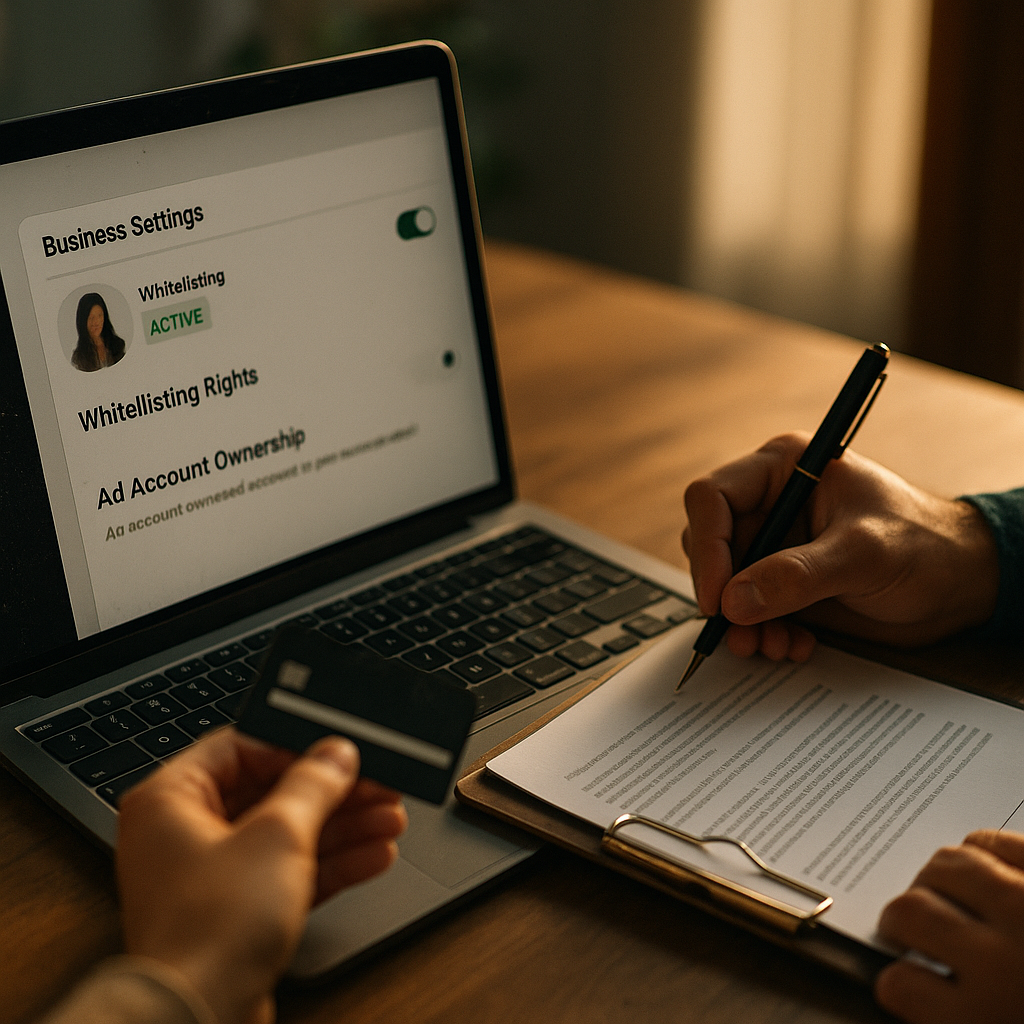
Whitelisting rights are critical in digital marketing, particularly when it comes to understanding who owns the ad account. Brands, agencies, and influencers regularly collaborate on advertising campaigns, but ad account ownership and permissions can become complex. In 2025, knowing precisely who controls the ad account can mean the difference between success and costly disputes.
Understanding Whitelisting Rights in Advertising
Whitelisting rights refer to the explicit permissions granted for ad account access, allowing another party—often a brand or agency—to run ads using a creator’s social media profile or assets. Properly managing these rights ensures ethical advertising while protecting intellectual property. The question of ad account ownership, especially in influencer or partner campaigns, is more crucial than ever in today’s digital-first landscape.
- Direct Control: The party with whitelisting rights can launch and monitor campaigns.
- Transparency: Clear permissions built into contracts prevent misuse of ad accounts.
- Reputation Management: Both brands and creators can safeguard their public image by understanding these rights.
Clear whitelisting agreements build trust and reduce confusion between stakeholders.
Who Legally Owns the Ad Account?
The legal ownership of an ad account typically rests with the party who created it—often the brand or original account holder. Agency-run campaigns often use the brand’s ad account, but sometimes agencies create accounts on behalf of brands, creating a grey area. In influencer marketing, ad accounts may be temporarily “whitelisted” for brands to run ads through the influencer’s profile, raising specific questions about ongoing control.
- Platform Terms of Service: Platforms like Meta and TikTok specify that ad accounts are personal to the creator or business but can be accessed by others with explicit permission.
- Ownership in Contracts: Without written agreements, account ownership defaults to the creator—regardless of who funded campaigns.
- Account Transfer: Platforms allow transfer of account ownership, but clear documentation is essential.
Key takeaway: Legal clarity through contracts is vital. Never assume account ownership based solely on access or ad spend.
Brand, Agency, or Creator: Clarifying Ad Account Control
Ad account control is at the heart of digital advertising relationships. Who can edit settings, view campaign data, or withdraw access? Typically, access levels should reflect each stakeholder’s role:
- The Brand: Usually owns the ad account for business campaigns, controls billing, and sets permissions for agencies or partners.
- The Agency: Manages campaigns and often requests whitelisted access rather than account ownership. Agency-owned accounts can complicate handover if relationships end.
- The Creator or Influencer: Retains account ownership but can grant temporary whitelisting rights for campaigns, allowing brands or agencies to run ads “as” the creator while retaining core control.
In 2025, industry best practice is for creators to maintain ownership and grant limited, clearly defined ad permissions. Brands and agencies should always request explicit access, not ownership, ensuring a smooth working relationship.
Best Practices for Managing Whitelisting and Ad Account Permissions
Proper management of whitelisting rights and ad account permissions avoids costly disputes and ensures compliance with platform rules. Use these proven strategies:
- Document Everything: Include whitelisting arrangements and permissions in contracts—including scope, duration, and purpose.
- Limit Permissions: Grant only the necessary ad account access. Use platform-based roles (such as Facebook’s “Advertiser” or “Analyst”) rather than full admin access where possible.
- Monitor Account Activity: Regularly audit who has access to your ad accounts and remove outdated permissions.
- Set Up Account Recovery: Use two-factor authentication and secure backup contacts to prevent unauthorized access or loss of control.
- Train Teams: Ensure all parties understand whitelisting rights, privacy obligations, and platform compliance rules.
By adopting these guidelines, brands, creators, and agencies can collaborate effectively while minimizing risk.
Resolving Ownership Disputes Over Ad Accounts
Disputes over ad account ownership often arise when relationships sour or campaigns end. To resolve them:
- Review Contracts: Agreements should explicitly define ownership, permitted uses, and remedies for access loss.
- Gather Evidence: Records of account creation, payment methods, and campaign data help prove original ownership.
- Engage Platform Support: Platforms like Meta, TikTok, or Google Ads offer escalation processes, but usually favor the account creator.
- Legal Action: As a last resort, legal teams may be needed if the contract and platform support do not resolve a dispute.
Transparency and proactive communication are the best defenses. Address ownership and whitelisting rights early, and revisit them as partnerships evolve.
Whitelisting Rights and Intellectual Property in Campaigns
Intellectual property (IP) is central to modern digital marketing. When you whitelist an ad account, the brand may use your likeness, name, or creative content in paid campaigns. This raises questions about content rights, compensation, and campaign duration.
- Licensing Terms: Clearly define how long, in which geographies, and for what purpose whitelisting and content usage are allowed.
- Compensation: Brands and creators should agree on how partnership content is monetized and credited.
- Content Removal: Specify processes for withdrawing whitelisting permissions and removing campaign assets post-campaign.
Clear boundaries on both whitelisting rights and IP protect the interests of all parties in the fast-evolving digital ad ecosystem of 2025.
Conclusion
Understanding whitelisting rights and clearly defining who owns the ad account are essential for successful, dispute-free digital marketing. Always rely on clear contracts, limit access to only what is necessary, and update permissions as roles evolve. Keeping control and transparency at the forefront will protect your business, reputation, and partnerships in 2025 and beyond.
FAQs About Whitelisting Rights and Ad Account Ownership
- What are whitelisting rights in digital advertising?
Whitelisting rights grant one party the ability to run ads through another’s profile or ad account, typically after explicit consent. This is common in influencer and partnership marketing. - Who technically owns an ad account?
The person or entity that first creates and registers the ad account with the platform is the legal owner, unless contracts explicitly state otherwise. - How can brands request whitelisting from creators?
Brands typically use platform tools to request advertising permissions and negotiate usage terms contractually, always specifying the scope and duration. - What happens if there is a dispute over ad account access?
Review contracts, gather evidence, and contact the platform’s support channels. If unresolved, legal intervention may be needed. - Should agencies ever own a client’s ad account?
Best practice is for the brand to own any ad accounts related to their business, granting agencies access for campaign management only. - Can whitelisting rights be revoked?
Yes, access can and should be revoked at the end of a campaign or contract, using the platform’s permission tools and processes.