


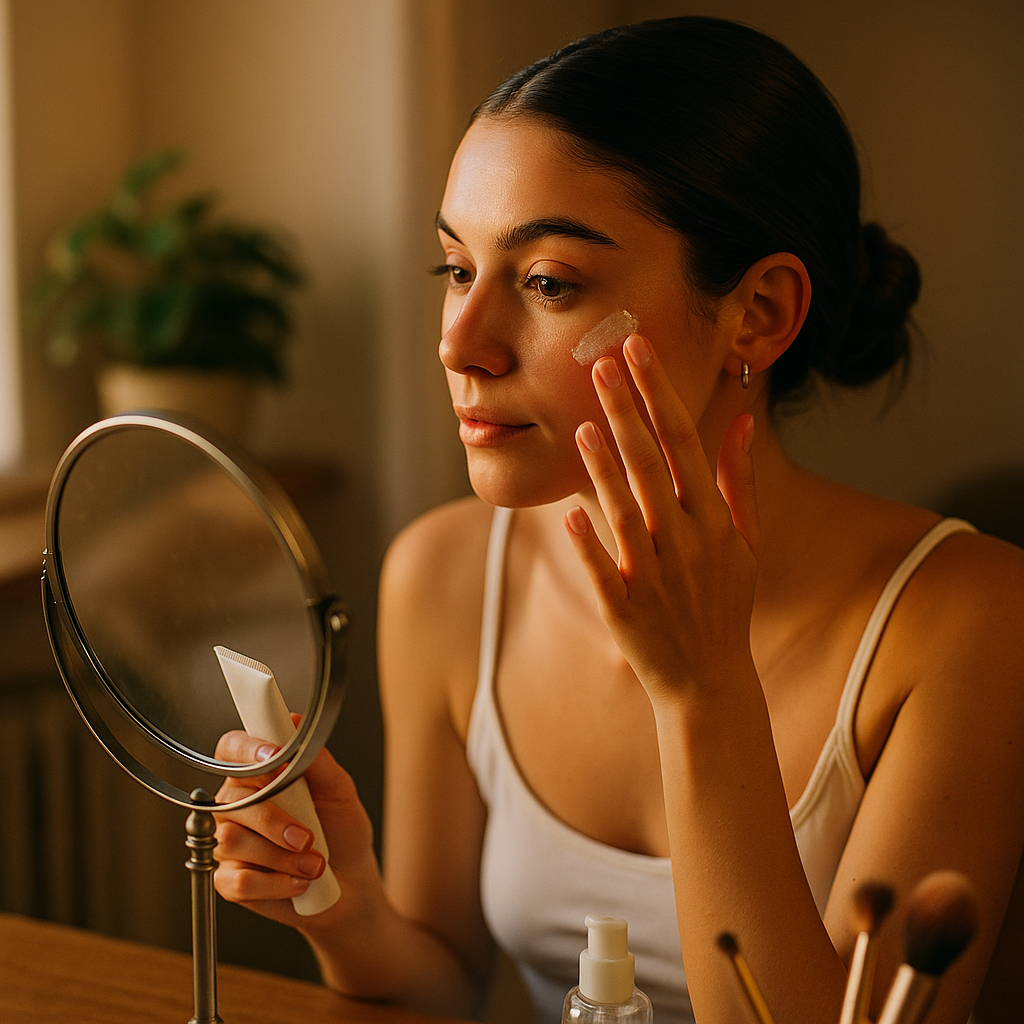
The “Clean Girl” aesthetic has dominated social media, beauty, and fashion trends, setting standards for minimalism, effortless polish, and glowing skin. But as cycles accelerate online, many wonder: Is the Clean Girl aesthetic evolving, or is it on its way out? Let’s uncover the reality behind this modern phenomenon and where it’s headed in 2025.
The Origins of the Clean Girl Aesthetic Trend
The Clean Girl aesthetic rose to stardom in early 2020s, becoming shorthand for minimalist beauty routines, sleek buns, neutral tones, glossy lips, and glowing skin. Social media influencers like Hailey Bieber and Sofia Richie often appeared with brushed-up brows, gold hoops, and monochrome outfits. The appeal lay in its accessible, “put-together but effortless” vibe—achievable with a few products and wardrobe staples.
However, its origins trace deeper. Beauty editors and fashion historians have observed that the Clean Girl aesthetic drew inspiration from decades of minimalism—think 1990s Calvin Klein and late 2010s wellness culture. The movement reflected a collective craving for simplicity post-pandemic, emphasizing self-care and authenticity without sacrificing style. But, as with any viral trend, questions about longevity quickly followed its meteoric rise.
Cultural Impact and Criticisms Surrounding Minimalist Beauty
The Clean Girl aesthetic influenced mainstream beauty and culture, but not without critique. Minimalist beauty standards have historically excluded diverse hair textures, skin tones, and features. Detractors argue that the Clean Girl look often reinforced Eurocentric standards of beauty, making the “effortless” ideal inaccessible to many.
Additionally, the rise of “no-makeup makeup” ironically fueled consumerism—leading brands to launch lines promising natural radiance. Meanwhile, Gen Z and Millennials began questioning how genuinely inclusive and sustainable the trend could be. In 2025, consumers are increasingly aware of greenwashing and token inclusivity, motivating brands and influencers to reevaluate their messaging.
The Clean Girl aesthetic also faced criticism for promoting an unrealistic standard of constant perfection and “cleanliness.” Online conversations now frequently discuss the mental health effects of striving for curated, flawless appearances. This pushback marks the start of a new evolution within beauty and fashion communities.
Evolution of the Clean Girl Style in 2025 Fashion
Despite skepticism, the Clean Girl style is not vanishing; it’s transforming to fit a more diverse and expressive era. 2025 fashion trends show the Clean Girl archetype blending with other influences:
- Soft Grunge and Indie Sleek: Sleek hair and minimalist makeup are paired with oversized layers and grittier textures, creating a contrast that feels fresh.
- Skinimalism 2.0: The trend prioritizes visible skin health over heavy coverage, with skincare routines focusing on barrier repair and dewiness for all skin types.
- Inclusive Expression: Brands spotlight diverse models and collaborate with creators who broaden definitions of “clean” and “put-together,” including those with textured hair, freckles, acne, or disabilities.
- Function Meets Fashion: Clean lines continue to be appreciated, but with adaptive or gender-inclusive silhouettes. Basics are styled for practicality and self-expression, rather than strict adherence to old rules.
Industry leaders in 2025 note that minimalist aesthetics will remain foundational, but now serve as a canvas rather than a uniform. This shift reflects broader cultural movements toward personal authenticity rather than prescriptive standards.
Social Media and the Role of Microtrends
On platforms like TikTok and Instagram, microtrends now move at unprecedented speed. The Clean Girl aesthetic’s saturation in algorithm-driven feeds led to backlash and “anti-clean girl” movements—where creators deliberately show messiness, bold colors, or grunge inspirations to rebel against perfection.
At the same time, the Clean Girl look maintains a loyal following who appreciate simplicity. The difference in 2025 is a new attitude: instead of strict trend cycles, users voice personal blending of aesthetics. The rise of “Personality Core” videos, where individuals emphasize what makes them feel uniquely polished, means no single look can dominate for long.
Brands that once poured resources into Clean Girl campaigns now diversify their content, collaborating with creators outside the minimalist mold. The longevity of any trend—including the Clean Girl aesthetic—depends less on universal adoption, and more on adaptability and user-driven reinterpretation.
Expert Insights: Minimalist Beauty’s Future in Wellness and Skincare
Dermatologists and beauty experts argue that the Clean Girl philosophy holds real merit for long-term skin health. Emphasizing minimalist skincare routines—such as gentle cleansing, SPF, and intentional ingredient use—remains a best practice amid rising interest in skinimalism. In interviews with board-certified dermatologists, many confirm that paring down routines reduces irritation and supports skin’s natural barrier.
However, wellness in 2025 also acknowledges mental and emotional well-being. Experts recommend approaching beauty routines with flexibility and self-compassion—embracing both minimal and maximal approaches depending on the day’s needs. The Clean Girl mindset can survive this shift only by prioritizing holistic, inclusive well-being over unattainable ideals.
Consumer surveys also show that Gen Z and Millennials are more likely to trust brands that offer transparent, science-backed claims and representation in marketing. The Clean Girl look, when reframed as one option within a larger landscape of beauty expression, retains its benefits while becoming more attuned to consumer values and needs.
The Clean Girl Aesthetic: Evolving, Not Dying
The evidence suggests the Clean Girl aesthetic isn’t dying; it’s evolving. Its core tenants—simplicity, self-care, and polish—remain relevant. Yet, cultural and consumer dynamics in 2025 are shaping this trend into something broader and more inclusive. Whether through adaptive fashion, conscious skincare, or social media reinterpretation, “clean” is becoming less about looking perfect, more about feeling good and being real.
Ultimately, the Clean Girl aesthetic now exists as a flexible template, empowering individuals to define what “clean” and “effortless” mean for themselves. This evolution ensures the style’s lasting legacy amid ever-changing beauty and fashion landscapes.
FAQs About the Clean Girl Aesthetic
- What defines the Clean Girl aesthetic?
The Clean Girl aesthetic emphasizes minimalism, glowing skin, slicked-back hair, subtle color palettes, and a “fresh-faced” look. It’s about appearing effortlessly put together with simple routines and neutral wardrobes. - Is the Clean Girl look still trending in 2025?
Yes, but it’s no longer a monolithic trend. While basic elements remain popular, the trend is diversifying with more inclusive beauty standards and expressive combinations inspired by other styles. - How has the Clean Girl trend changed?
The trend now embraces diverse hair types, skin tones, and personal style preferences. There’s also a focus on mental wellness and authentic self-expression, rather than strict adherence to perfection. - Is “clean” beauty healthier for skin?
Minimalist routines can benefit skin health by reducing irritation and supporting the skin barrier. However, balance and personalization are key—what’s healthy for one person may not work for another. - Can anyone achieve the Clean Girl aesthetic?
Absolutely. Today’s interpretation supports individual customization. Whether your routine is five steps or fifteen, or your style is bold or subtle, the updated aesthetic is accessible and open to all.
The Clean Girl aesthetic is evolving in 2025, not fading away. By embracing inclusivity, authenticity, and well-being, its minimalist spirit remains influential—serving as a launchpad for personal expression rather than a rigid trend. In the ever-changing beauty landscape, flexibility is the new “effortless.”