


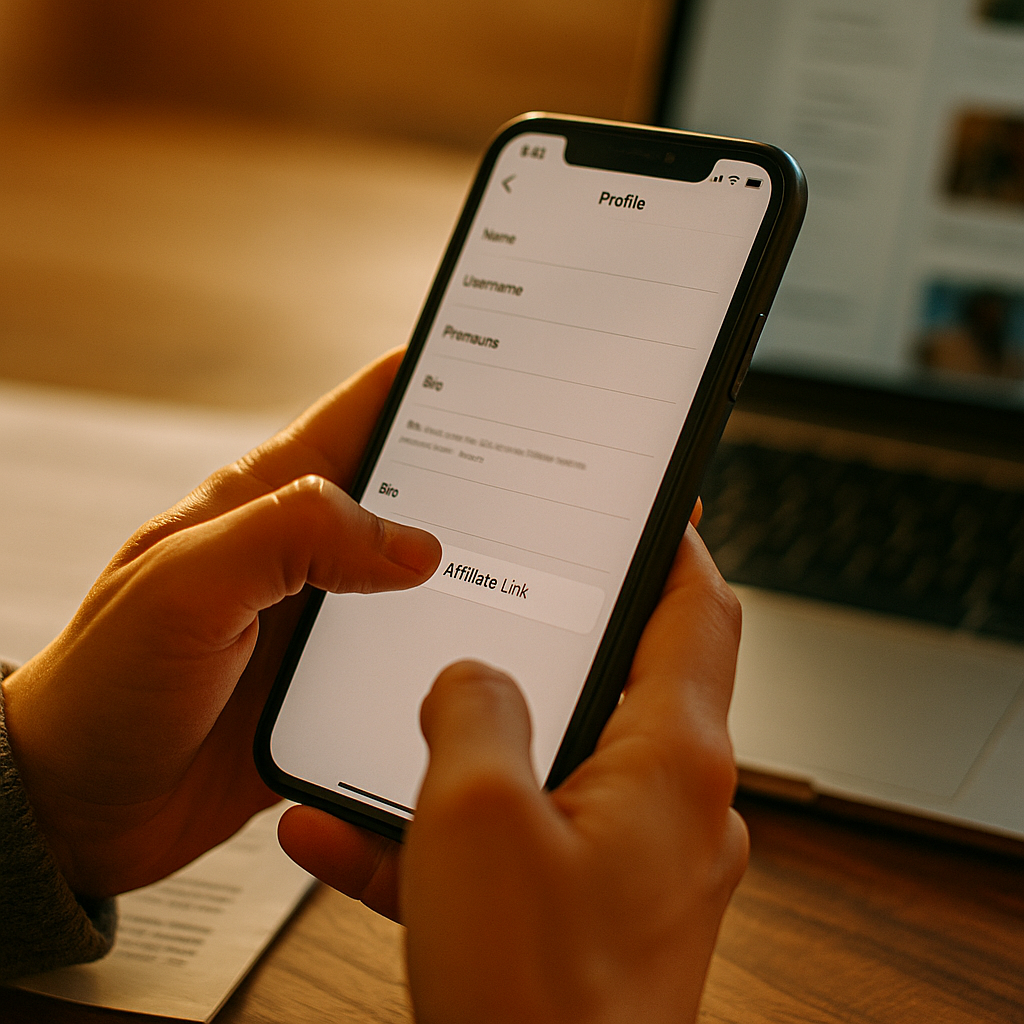
The disclosure requirements for affiliate links in bios are essential for any influencer, marketer, or brand committed to transparency online. Regulations keep evolving, making compliance both a necessity and a challenge. If you add affiliate links to your profile bio, understanding these requirements is more important than ever—are your bios up to regulatory standards?
Understanding Affiliate Links in Social Media Bios
Affiliate links in social media bios let creators, influencers, and brands earn commissions by promoting products. Unlike in-post links, those in bios are static and accessible to all visitors, offering high visibility and a unique compliance challenge. In 2025, platforms like Instagram, TikTok, YouTube, and X (formerly Twitter) remain top hubs for affiliate marketing, each with its own nuances for bio link disclosures.
Placing a link in your bio commonly leads to a multi-product shop, landing page, or direct retailer, often making your entire account an advertising vehicle. This amplifies the need for clear, up-front disclosures complying with both legal requirements and best practices in digital marketing ethics.
Legal and Regulatory Framework: What the FTC Requires
The U.S. Federal Trade Commission (FTC) leads global standards for affiliate link disclosures. As of 2025, the core principle remains: consumers must know upfront if a recommendation or link in your bio could earn you a commission. The FTC requires that such material connections are clear and conspicuous—meaning users shouldn’t have to hunt for disclosures.
Key FTC requirements for affiliate links in bios include:
- Proximity: Disclose right in the bio, not buried on a separate page.
- Clarity: Use direct language, such as “Affiliate Link,” “Ad,” or “I may earn commissions.”
- Visibility: Mobile optimization—disclosures should remain visible regardless of device.
Failing to comply can result in fines, lost trust, and removal from affiliate programs. Internationally, regions like the EU and UK have similar (sometimes stricter) regulations. Always review the geographic location of your audience and adapt disclosures accordingly.
Best Practices for Transparent Affiliate Link Disclosures
Transparency builds trust. Disclosures aren’t just legal hurdles—they’re key to responsible and sustainable growth as an influencer or brand. In 2025, leading marketers rely on clear, short disclosures in bios. Here are actionable best practices:
- Be Unambiguous: Avoid vague phrases. State your affiliate relationship clearly.
- Use Standardized Terms: “Affiliate link,” “Commission earned,” or the #ad hashtag are universally recognized and accepted.
- Maximize Readability: Place the disclosure at the start or end of your bio for instant visibility.
- Keep Updates Regular: Platforms frequently update formatting; check your bios after major updates to ensure disclosure is still prominent.
- Reflect on Tone: Your disclosure should suit your audience but remain unmistakably clear about your financial relationship.
Example for Instagram bio: “Links below are affiliate links—if you click and buy, I may earn a commission. Thank you for your support!”
Adapting Disclosures to Different Platforms and Tools
Each social platform handles bios and public link spaces differently. In 2025, Link-in-bio services like Linktree, Beacons, and Campsite remain popular for aggregating multiple links, further complicating disclosure obligations. You must:
- Show Disclosures on Aggregators: Place disclosures on your link service landing page, not just your main social platform bio.
- Optimize for Mobile: Inspect your chosen aggregator for how well it surfaces disclosures on various devices.
- Incorporate Visual Cues: Use pin, emoji, or bolding to highlight the disclosure within the limited character count.
- Double Up Where Needed: Disclose both on your main profile and on every page where affiliate links appear.
For platforms with minimal bio space (like X or TikTok), abbreviate but don’t obscure: “Affiliates. I may earn $.”—a format explicitly endorsed in recent regulatory guidance.
On YouTube, place disclosures in both your channel “About” section and on video descriptions that reference affiliate arrangements, ensuring every entry point is covered.
Demonstrating EEAT: Trustworthiness and Accuracy in Disclosure
Google’s E-E-A-T (Experience, Expertise, Authoritativeness, Trustworthiness) guidelines demand creators display genuine transparency. Disclosing affiliate links demonstrates that you respect your audience, which Google’s systems recognize as a sign of trust. Here’s how to show compliance in your bios for strong E-E-A-T signals:
- Experience: Describe your familiarity with the products or services featured via affiliate links in your content and bio.
- Expertise: Link to your credentials, reviews, or relevant projects in your bio (where character limits permit).
- Authoritativeness: Regularly update and educate your audience on your approach to transparency.
- Trustworthiness: Place affiliate disclosures front and center, never obscured or omitted.
This approach not only keeps audiences informed but also supports search engine visibility and long-term brand growth. According to a 2025 survey by Influencer Marketing Hub, 87% of followers report higher trust in creators who disclose affiliations clearly—proof that transparency pays off.
Common Mistakes and How to Avoid Penalties
Many creators still fall into avoidable traps, risking fines and reputational harm. Watch for these common errors:
- Hidden Disclosures: Don’t bury your disclosure in a secondary page—place it front and center.
- Overly Technical or Vague Language: “Some links may be monetized” is insufficiently clear.
- Omitting Mobile Testing: Failing to check how disclosures appear on mobile often leads to invisible or truncated notices.
- Assuming Platform Disclaimers Are Enough: Your own, explicit disclosure is required even if a platform provides a generic disclaimer or “paid partnership” label.
- Neglecting Updates: Social media platforms frequently update design and functionality—what was visible may be hidden after changes. Schedule regular reviews.
If in doubt, disclose more, not less. When platforms or affiliate programs issue updated guidance, adopt it quickly to stay ahead of compliance risks.
FAQs: Affiliate Link Disclosure in Bios
-
Do I need to disclose every affiliate link in my bio?
Yes. Every space where you post affiliate links—whether in your main social profile bio or in link aggregator pages—must include a clear, concise disclosure statement.
-
What is the best wording for affiliate link disclosure in a limited-space bio?
Use concise, recognizable language, such as: “Affiliate link,” “I earn commission,” or simply “#ad.” Avoid ambiguous phrases that could mislead users.
-
Are there penalties for not disclosing affiliate links?
Yes. Regulatory bodies can impose fines, and affiliate programs may suspend your account. Additionally, lack of disclosure erodes audience trust, which harms your brand’s growth.
-
How often should I review my bios for compliance?
Check your bios at least quarterly, and whenever social platforms announce updates. Stay alert to new regulations or affiliate program terms that may require updated disclosures.
-
Does using a “link in bio” service change my disclosure duty?
Yes. You must disclose on both your main bio and within each link aggregator page. Disclosures should remain clear and prominent in all locations where affiliate links are present.
In summary, the disclosure requirements for affiliate links in bios are non-negotiable for ethical, legal, and practical reasons in 2025. Regular, clear, and accessible disclosures across all platforms safeguard your audience’s trust and your brand’s reputation. Stay vigilant, review frequently, and lead by example in transparent affiliate marketing.