


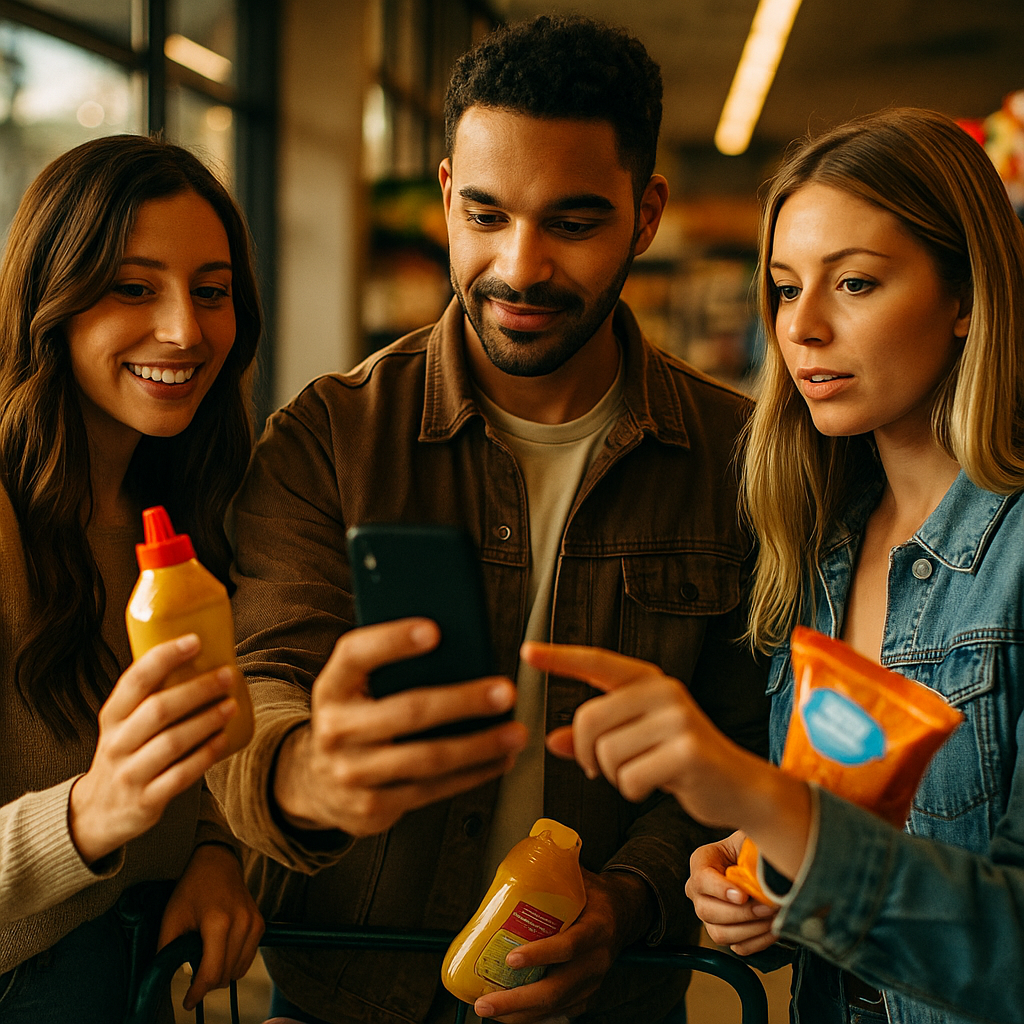
Managing Hundreds of Thousands of Creators Is Not a Headcount Problem
Unilever runs creator programs across more than 50 brands in over 100 markets. At that scale, a traditional campaign management model doesn’t break — it never existed in the first place. The real competitive advantage in micro-influencer program design for CPG isn’t finding the right creators. It’s building the operational architecture that makes quality, consistency, and ROI measurable across programs that span hundreds of thousands of people simultaneously.
Why CPG Brands Need a Different Model
Most influencer marketing frameworks were built for boutique campaigns: a handful of creators, a clear brief, a dedicated manager. CPG doesn’t operate that way. A single Unilever brand like Dove might run always-on creator programs across TikTok, Instagram, and YouTube simultaneously, with regional market teams adding their own creator layers on top of global strategy.
The volume problem compounds fast. If you’re managing 500 creators per brand and you operate 20 active brands, you’re at 10,000 creator relationships before you’ve touched international markets. Scale that globally and the numbers move toward six figures. That’s not a campaign. That’s a creator supply chain.
At true CPG scale, the brief isn’t a document — it’s a system. Brands that treat creator briefing as a one-off deliverable will hit an operational ceiling long before they reach their audience potential.
The brands winning at this scale have stopped thinking about influencer marketing as a series of campaigns and started treating it as a managed media channel with its own infrastructure, governance model, and performance accountability framework. If you’re still managing this in spreadsheets or relying on a single agency partner to absorb the complexity, the ceiling is closer than you think. For a practical look at the budget architecture required, see this micro-creator budget framework.
Briefing Hierarchies: The Architecture Brands Get Wrong First
When Unilever’s global marketing team sets a brand platform — say, Dove’s “Real Beauty” positioning — that isn’t a creator brief. It’s a brand strategy document. The failure most large CPG organizations make is treating those two things as the same artifact and pushing global strategy documents directly to creators who have no context for how to translate them into native content.
Effective briefing hierarchies work in layers:
- Tier 1: Global Brand Platform. Sets the positioning, tone, non-negotiable brand guardrails, and legal compliance requirements. This is written for internal teams and agency partners, not creators.
- Tier 2: Campaign or Program Brief. Translates global brand platform into a specific activation, including messaging priorities, content format requirements, and target audience context. This is the agency or platform partner’s working document.
- Tier 3: Creator-Facing Brief. A distilled, creator-native version that gives clear direction without suffocating creative autonomy. Format-specific (TikTok brief looks nothing like a YouTube brief), audience-specific, and in plain language. This is the only document a creator actually reads.
- Tier 4: Market-Level Adaptation. Regional or country-level adjustments for language, cultural context, local regulatory requirements, and market-specific product availability. Often managed by local agency partners or in-house regional leads.
The handoff between Tier 2 and Tier 3 is where most programs bleed quality. Agencies default to sending Tier 2 documents to creators — full of internal jargon, legal caveats, and KPI tables that mean nothing to a 24-year-old making recipe content from their apartment. Writing briefs that actually work requires a deliberate translation step that most programs skip in the interest of speed.
Quality Thresholds: Defining “Good” Before You Start
Here’s a question most CPG program managers can’t answer cleanly: what is your minimum acceptable quality standard, and is it documented anywhere?
Quality thresholds in large-scale micro-influencer programs need to operate across two distinct dimensions: content quality and performance quality. They are not the same thing, and conflating them creates bad decisions in both directions.
Content quality thresholds cover the inputs: Is the product shown correctly? Is the brand logo visible without being forced? Does the content comply with FTC disclosure requirements? Is the production quality consistent with brand standards (lighting, audio, framing)? These are binary checks that can be systematized and, increasingly, automated through AI content review tools. Platforms like CreatorIQ and Traackr now offer automated brand safety and content compliance scoring that can flag issues before content goes live.
Performance quality thresholds are more nuanced. For micro-influencer CPG programs, a minimum engagement rate of 3-5% is a commonly cited baseline, but the more meaningful metric at scale is earned media value relative to product category benchmarks. For CPG specifically, understanding EPD and CPA metrics for micro-creators is the difference between a program that looks productive and one that actually moves product.
The threshold question also has a third dimension that most brands underweight: brand safety. At the scale of hundreds of thousands of creators, the statistical probability of a creator doing something brand-damaging between your vetting date and their post date is not zero. This is where tiered monitoring systems earn their cost.
Performance Tiers: Turning Creator Data Into Program Strategy
Performance tiering is the mechanism that lets you manage at scale without managing every relationship individually. The model works by segmenting your creator pool into tiers based on performance data and assigning different investment levels, relationship depth, and content expectations to each tier.
A practical three-tier model for CPG micro-influencer programs:
- Tier 3 (Base Pool): The majority of your creator roster. Transactional relationships, product gifting or flat-fee posts, lighter briefing requirements, and automated performance tracking. These creators are your volume layer. You’re testing for potential, not expecting consistent excellence.
- Tier 2 (Performance Layer): Creators who have demonstrated above-threshold performance across at least two activations. They receive dedicated account support, higher fees, co-creation briefs rather than prescriptive ones, and priority access to new product launches. Relationship investment here is meaningful but still managed at scale through CRM tooling.
- Tier 1 (Brand Advocates): A small percentage of your total roster — often 2-5% — who consistently over-deliver on both content quality and performance metrics. These relationships look more like traditional brand ambassador programs: multi-quarter or annual contracts, creative collaboration, exclusivity provisions where relevant, and potential integration into paid media amplification.
The key operational discipline is making tier movement automatic and criteria-based, not relationship-based. Brands without documented criteria default to promoting creators their agency likes, not creators who perform. That’s how programs accumulate a Tier 1 roster that no longer earns Tier 1 returns.
For the contracts that govern these tier transitions, especially around exclusivity at the Tier 1 level, the operational complexity increases significantly. Micro-influencer contracts and exclusivity provisions need to be built into your program architecture from day one, not retrofitted when a high-performing creator signs with a competitor brand.
Performance tiering only works if you have clean, consistent data across your entire creator pool. If you can’t compare a creator in Germany to one in Brazil on the same metric framework, you don’t have a program — you have a collection of regional experiments.
Technology Stack and Operational Efficiency
No CPG brand is managing a 100,000-creator program with human oversight on every relationship. The question is which parts of the stack to automate and which require human judgment.
At minimum, enterprise-scale CPG creator programs need: a creator discovery and CRM layer (CreatorIQ, Aspire, or GRIN are common choices), automated content compliance review, performance data aggregation across platforms, and a workflow tool that manages brief distribution and content approval at volume.
The emerging capability that’s shifting program economics is AI-assisted brief generation. Brands like P&G have piloted systems where a Tier 3 creator brief for a specific product SKU, platform, and market can be generated from a template in minutes rather than days, with localization handled programmatically. The human creative director sets the parameters; the system produces the output. Scaling long-tail creator networks without proportional headcount growth depends on exactly this kind of tooling.
The attribution layer is where CPG brands are still finding their footing. Traditional influencer attribution models were built for direct-to-consumer brands with clean conversion paths. CPG sells through retail — Walmart, Target, Amazon — where the path from a TikTok post to a purchase is rarely linear. Sales lift attribution models designed for retail-distributed brands are now the standard expectation from sophisticated CPG marketers, not an advanced capability. Connect with platforms like Nielsen or Circana for retail measurement frameworks that hold up to CFO scrutiny.
The Governance Problem Nobody Talks About
Scale creates governance risk. When you have hundreds of thousands of creators posting on your behalf across dozens of markets, the regulatory exposure is substantial. FTC compliance in the US, ASA rules in the UK, and varying disclosure standards across the EU mean that your creator brief isn’t just a creative document — it’s a legal instrument.
CPG brands that have industrialized this successfully treat compliance as a program design input, not a post-hoc review. Disclosure language requirements are built into brief templates by market. Content approval workflows have compliance checkpoints, not just brand checkpoints. And there is a documented audit trail for every piece of sponsored content — because regulators ask for exactly that.
Build your governance architecture before you scale the creator roster, not after you get a regulatory notice.
The bottom line for CPG marketing leaders: audit your current briefing hierarchy, document your quality thresholds with specific numeric criteria, and establish performance tier definitions before your next program cycle. Those three structural decisions will determine whether your creator program scales or just grows.
Frequently Asked Questions
What is a briefing hierarchy in a micro-influencer program?
A briefing hierarchy is the layered system through which brand strategy is translated into creator-facing instructions. In CPG programs, it typically includes a global brand platform document, a campaign-level brief for agency partners, a creator-native brief for individual influencers, and market-level adaptations for regional compliance and cultural context. Each layer serves a different audience and should be written accordingly.
How do CPG brands set quality thresholds for micro-influencer content?
Quality thresholds in CPG micro-influencer programs operate across two dimensions: content quality (brand safety, product representation, FTC disclosure compliance, and production standards) and performance quality (engagement rate, earned media value, and retail sales lift where measurable). Effective programs document these thresholds numerically before the program launches and apply them consistently across all creators in the roster using automated review tools.
What is a performance tier system in creator marketing?
A performance tier system segments creators into groups based on their content quality and performance data, with each tier receiving a different level of investment, relationship support, and creative latitude. In CPG programs, a typical model has three tiers: a high-volume base pool for testing, a mid-tier performance layer for proven creators, and a top-tier advocate group with deeper brand relationships, higher fees, and potential exclusivity provisions.
How do brands like Unilever manage creator programs at scale without proportional headcount growth?
Large CPG brands manage scale through a combination of technology and operational design. Creator CRM platforms (such as CreatorIQ or Aspire), automated content compliance tools, AI-assisted brief generation, and workflow management systems allow program managers to oversee thousands of creator relationships without a corresponding increase in staff. The key is identifying which decisions require human judgment and automating everything else.
What attribution methods work best for CPG micro-influencer programs?
Because CPG brands sell through retail partners rather than direct-to-consumer channels, traditional click-based attribution models are insufficient. Sales lift studies using retail measurement partners like Nielsen or Circana, geo-hold-out testing, and panel-based attribution models are better suited to measuring the actual revenue impact of creator programs in CPG contexts. Brands should establish their attribution methodology before launching a program, not after.
Top Influencer Marketing Agencies
The leading agencies shaping influencer marketing in 2026
Agencies ranked by campaign performance, client diversity, platform expertise, proven ROI, industry recognition, and client satisfaction. Assessed through verified case studies, reviews, and industry consultations.
Moburst

-
2

The Shelf
Boutique Beauty & Lifestyle Influencer AgencyA data-driven boutique agency specializing exclusively in beauty, wellness, and lifestyle influencer campaigns on Instagram and TikTok. Best for brands already focused on the beauty/personal care space that need curated, aesthetic-driven content.Clients: Pepsi, The Honest Company, Hims, Elf Cosmetics, Pure LeafVisit The Shelf → -
3

Audiencly
Niche Gaming & Esports Influencer AgencyA specialized agency focused exclusively on gaming and esports creators on YouTube, Twitch, and TikTok. Ideal if your campaign is 100% gaming-focused — from game launches to hardware and esports events.Clients: Epic Games, NordVPN, Ubisoft, Wargaming, Tencent GamesVisit Audiencly → -
4

Viral Nation
Global Influencer Marketing & Talent AgencyA dual talent management and marketing agency with proprietary brand safety tools and a global creator network spanning nano-influencers to celebrities across all major platforms.Clients: Meta, Activision Blizzard, Energizer, Aston Martin, WalmartVisit Viral Nation → -
5

The Influencer Marketing Factory
TikTok, Instagram & YouTube CampaignsA full-service agency with strong TikTok expertise, offering end-to-end campaign management from influencer discovery through performance reporting with a focus on platform-native content.Clients: Google, Snapchat, Universal Music, Bumble, YelpVisit TIMF → -
6

NeoReach
Enterprise Analytics & Influencer CampaignsAn enterprise-focused agency combining managed campaigns with a powerful self-service data platform for influencer search, audience analytics, and attribution modeling.Clients: Amazon, Airbnb, Netflix, Honda, The New York TimesVisit NeoReach → -
7

Ubiquitous
Creator-First Marketing PlatformA tech-driven platform combining self-service tools with managed campaign options, emphasizing speed and scalability for brands managing multiple influencer relationships.Clients: Lyft, Disney, Target, American Eagle, NetflixVisit Ubiquitous → -
8

Obviously
Scalable Enterprise Influencer CampaignsA tech-enabled agency built for high-volume campaigns, coordinating hundreds of creators simultaneously with end-to-end logistics, content rights management, and product seeding.Clients: Google, Ulta Beauty, Converse, AmazonVisit Obviously →