


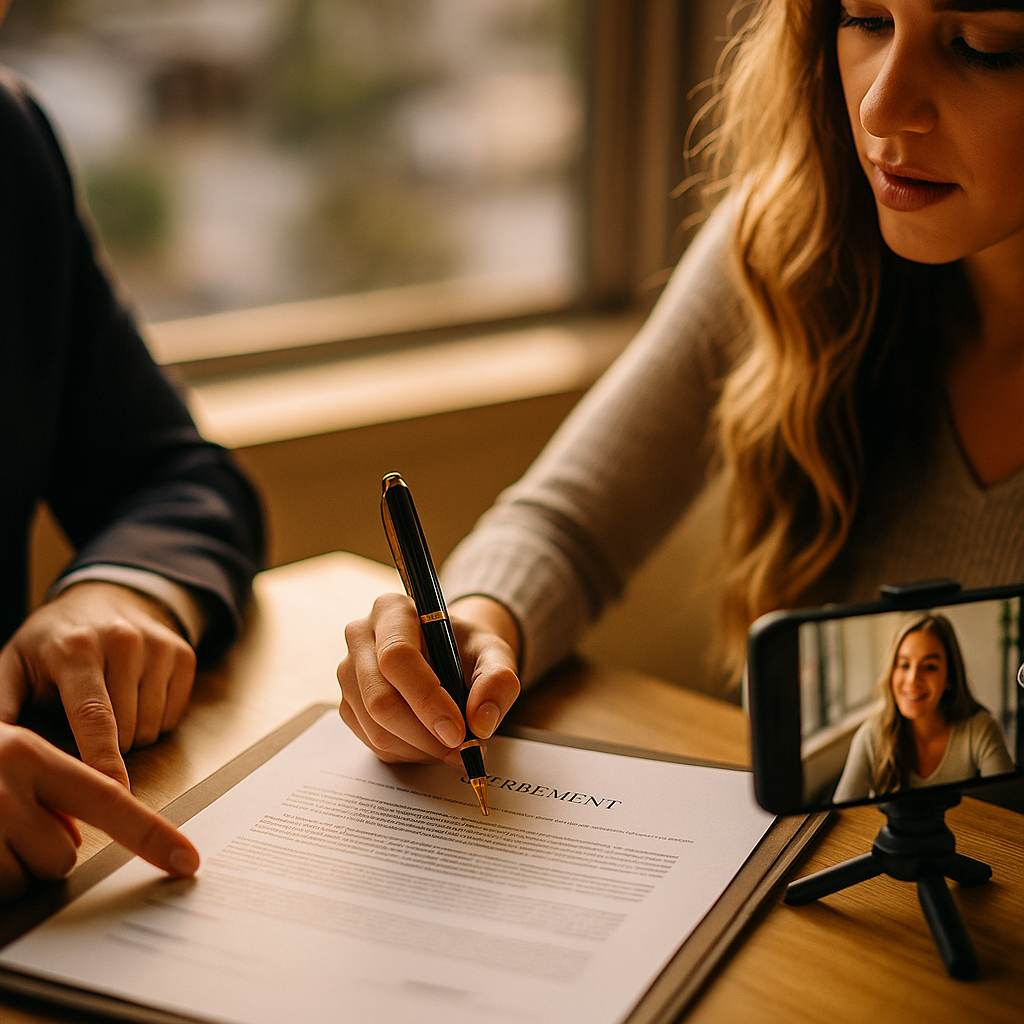
Designing an exclusivity clause that’s fair to both brands and creators is crucial in influencer marketing partnerships. A well-crafted agreement protects both parties while encouraging collaboration. But how do you balance protection with creative freedom? Explore effective strategies to draft a win-win exclusivity clause that keeps business interests intact and relationships strong.
Understanding the Purpose of an Influencer Exclusivity Clause
An influencer exclusivity clause limits creators from working with a brand’s competitors for a specified period. Brands use this to safeguard their investments and messaging, ensuring their campaign isn’t undermined by rival promotions. However, overly restrictive clauses can alienate creators and reduce campaign impact, especially if they feel their creative or income opportunities are stifled.
In today’s creator economy, both parties must embrace transparent communication. According to a 2025 CreatorIQ study, 68% of influencers cite fair exclusivity terms as the top factor in agreeing to partnerships. An effective clause should protect the brand’s interests while acknowledging the creator’s need for diverse collaborations.
Key Elements to Include in a Fair Brand-Creator Exclusivity Clause
To write a balanced brand-creator exclusivity clause, clarify expectations and boundaries from the outset. A robust clause generally covers the following components:
- Scope: Define explicitly which competitors and product categories are off-limits. Avoid vague phrases—list direct competitors or product types that apply.
- Duration: State clearly how long the exclusivity period lasts, whether during active promotion or for a set time after.
- Channels: Indicate whether exclusivity applies to all platforms or only specific ones (e.g., Instagram, YouTube).
- Geographic Region: Specify if the clause applies globally or within certain territories.
- Compensation: Address the remuneration owed for lost opportunities, reflecting fair market value.
- Exceptions: Allow for existing brand deals or pre-declared partnerships to avoid legal disputes.
Including these elements ensures clarity, transparency, and minimizes risks for both parties.
Negotiating Exclusivity: Top Strategies for Creators and Brands
A fair exclusivity agreement negotiation hinges on open dialogue. Creators should articulate the value of their brand partnerships and the opportunity costs associated with exclusivity. Brands should identify which competitor relationships genuinely threaten campaign impact. Consider these strategies for productive negotiations:
- Limit Scope: Instead of a broad ban, restrict exclusivity to direct competitors and avoid blanket clauses.
- Shorten Duration: Trends change rapidly—30–90 days post-campaign is now an industry norm instead of year-long lock-outs.
- Increase Compensation: Brands can offer tiered payments reflecting the length or breadth of exclusivity requested.
- Include Review Clauses: Allow both parties to revisit terms if campaign scope or market conditions evolve.
Mutual respect and understanding make it easier to agree on fair terms, benefiting future collaborations and maintaining goodwill.
Common Pitfalls and How to Avoid Overly Restrictive Clauses
A restrictive exclusivity clause is a common stumbling block that can sour relationships and reduce campaign performance. Common mistakes include generic wording, excessive duration, and prohibiting unrelated brands.
- Ambiguity: Vague competitor lists can lead to disputes or overreach.
- Overly Long Duration: Avoid locking creators out of other deals for half a year or more, unless justified by major investment.
- Platform Overreach: Imposing restrictions on all online activity stifles creators’ core businesses.
- Insufficient Compensation: Failing to account for lost income can cause creators to walk away or deliver lackluster results.
To avoid these issues, tailor each exclusivity clause to the campaign’s unique needs and both parties’ business models. Legal advice is recommended for complex or high-stakes deals.
Best Practices for Drafting a Balanced Influencer Contract
Drafting a balanced influencer contract with a clear exclusivity clause is vital for long-term, fruitful partnerships. Keep these best practices in mind:
- Use Precise Language: Spell out all terms in plain English to prevent misinterpretations.
- Customize Clauses: Avoid one-size-fits-all contracts; tailor to each creator and campaign.
- Reference Industry Standards: Stay current—shorter exclusivity windows and platform-specific restrictions are typical in 2025.
- Build in Flexibility: Allow exceptions or opt-outs if circumstances change, protecting both parties.
- Maintain Transparency: Document all discussions so both sides are on the same page.
- Seek Legal Review: A qualified attorney ensures your interests are represented and agreements comply with current regulations.
By adhering to these best practices, brands and creators build trust and pave the way for future collaborations free of misunderstandings.
Conclusion: Crafting a Win-Win Exclusivity Clause in 2025
Writing a fair exclusivity clause in 2025 means balancing protections with opportunities for both creators and brands. By defining scope, duration, and compensation transparently, you’ll safeguard interests without stifling future work. A thoughtful, custom approach ensures enduring, productive influencer relationships in a fast-changing marketplace.
Frequently Asked Questions
-
What is an exclusivity clause in influencer marketing?
An exclusivity clause restricts the creator from promoting competitors or related products for a given period, platform, or region. It protects the brand’s campaign integrity while potentially limiting the creator’s other partnerships.
-
How long should an exclusivity clause last?
Most standard exclusivity clauses in 2025 last 30–90 days after the campaign ends, but duration depends on campaign size and industry. Overly lengthy restrictions are discouraged unless clearly justified and compensated.
-
Should creators be compensated for exclusivity?
Yes, fair compensation is essential since exclusivity limits a creator’s earning opportunities. Compensation is often tiered based on length, platform reach, and list of competitors covered.
-
How can brands ensure their exclusivity clause is reasonable?
Brands should clearly define competitors, use the shortest practical duration, specify relevant platforms or regions, and consider market norms. Open communication and flexibility build trust and avoid disputes.
-
Can a creator negotiate the exclusivity terms?
Absolutely. Creators should review all terms, negotiate for narrower scope, shorter periods, or higher pay, and ensure pre-existing partnerships are not restricted.
Top Influencer Marketing Agencies
The leading agencies shaping influencer marketing in 2026
Agencies ranked by campaign performance, client diversity, platform expertise, proven ROI, industry recognition, and client satisfaction. Assessed through verified case studies, reviews, and industry consultations.
Moburst

-
2

The Shelf
Boutique Beauty & Lifestyle Influencer AgencyA data-driven boutique agency specializing exclusively in beauty, wellness, and lifestyle influencer campaigns on Instagram and TikTok. Best for brands already focused on the beauty/personal care space that need curated, aesthetic-driven content.Clients: Pepsi, The Honest Company, Hims, Elf Cosmetics, Pure LeafVisit The Shelf → -
3

Audiencly
Niche Gaming & Esports Influencer AgencyA specialized agency focused exclusively on gaming and esports creators on YouTube, Twitch, and TikTok. Ideal if your campaign is 100% gaming-focused — from game launches to hardware and esports events.Clients: Epic Games, NordVPN, Ubisoft, Wargaming, Tencent GamesVisit Audiencly → -
4

Viral Nation
Global Influencer Marketing & Talent AgencyA dual talent management and marketing agency with proprietary brand safety tools and a global creator network spanning nano-influencers to celebrities across all major platforms.Clients: Meta, Activision Blizzard, Energizer, Aston Martin, WalmartVisit Viral Nation → -
5

The Influencer Marketing Factory
TikTok, Instagram & YouTube CampaignsA full-service agency with strong TikTok expertise, offering end-to-end campaign management from influencer discovery through performance reporting with a focus on platform-native content.Clients: Google, Snapchat, Universal Music, Bumble, YelpVisit TIMF → -
6

NeoReach
Enterprise Analytics & Influencer CampaignsAn enterprise-focused agency combining managed campaigns with a powerful self-service data platform for influencer search, audience analytics, and attribution modeling.Clients: Amazon, Airbnb, Netflix, Honda, The New York TimesVisit NeoReach → -
7

Ubiquitous
Creator-First Marketing PlatformA tech-driven platform combining self-service tools with managed campaign options, emphasizing speed and scalability for brands managing multiple influencer relationships.Clients: Lyft, Disney, Target, American Eagle, NetflixVisit Ubiquitous → -
8

Obviously
Scalable Enterprise Influencer CampaignsA tech-enabled agency built for high-volume campaigns, coordinating hundreds of creators simultaneously with end-to-end logistics, content rights management, and product seeding.Clients: Google, Ulta Beauty, Converse, AmazonVisit Obviously →