


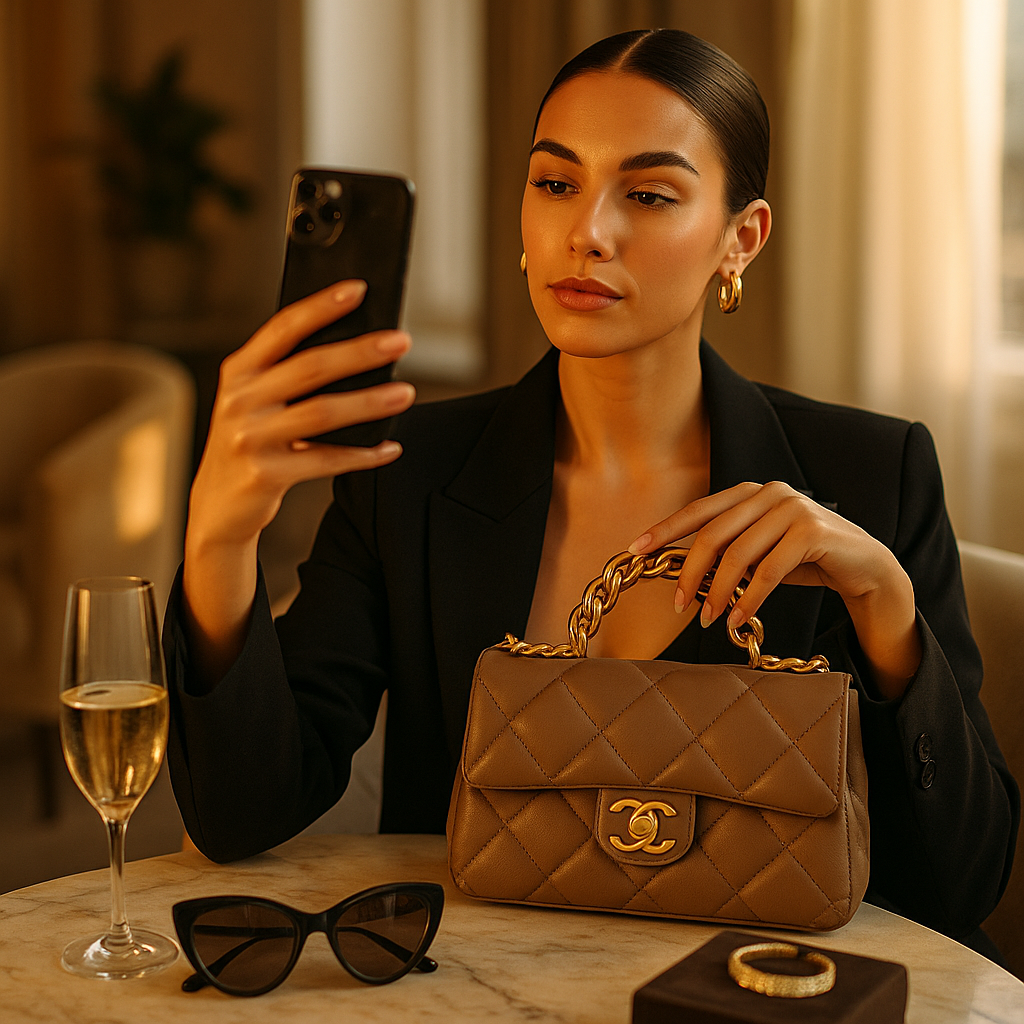
Defining the ideal influencer persona for luxury brands is essential to ensure authentic engagement and brand elevation in 2025’s competitive landscape. The right influencer can transform a brand’s narrative and drive genuine desirability among high-end consumers. Let’s explore how to craft the perfect influencer persona that resonates and delivers measurable results for luxury labels.
Understanding the Luxury Brand Audience in 2025
Every successful influencer partnership begins by thoroughly understanding the target audience. Luxury brand consumers in 2025 are more discerning and value-driven than ever before, prioritizing exclusivity, craftsmanship, and sustainability. Recent insights from McKinsey highlight that over 70% of affluent shoppers seek brands with transparent, ethical practices and compelling stories.
This modern audience comprises:
- Global digital natives: International travelers and shoppers who interact online and offline.
- Gen Z and Millennial trendsetters: Young, aspirational individuals who influence their social circles.
- Legacy luxury consumers: Mature buyers who grew up with established houses and appreciate heritage.
An ideal influencer for a luxury brand must embody authenticity and aspiration while maintaining credibility with these sophisticated segments.
Key Traits of an Ideal Luxury Brand Influencer
Selecting the right influencer goes beyond high follower counts. Luxury brand influencer selection in 2025 demands an incisive approach, weighing qualitative factors over simple reach. What characteristics define the ideal persona?
- Authenticity and Authority: Their voice feels genuine, and they have demonstrable expertise or passion for their niche, whether it’s haute couture, travel, art, or wellness.
- Luxury Aesthetic and Lifestyle: Consistent premium visuals, sophisticated storytelling, and an elevated lifestyle in line with luxury brand values.
- Aspirational Yet Relatable: Followers admire their achievements and taste but still find their content accessible or inspirational.
- High Engagement Rates: Their posts spark meaningful conversations—not just likes but thoughtful comments and shares.
- Selective Brand Collaborations: They choose partnerships with care, signaling that their endorsements are trustworthy and not simply commercial.
The ideal influencer embodies the essence of luxury: exclusivity balanced with approachability, commanding influence without alienating their audience.
Relevance, Reach, and Resonance: Core Metrics to Evaluate
Luxury influencer campaigns succeed when they combine measurable data with brand fit. In 2025, brands employ a sophisticated blend of analytics and qualitative assessment, focusing on:
- Relevance: Does the influencer’s niche, style, and community align organically with the brand’s positioning?
- Reach: What is the actual size of their core audience, and does it include the brand’s target demographic or psychographic?
- Resonance: How do followers interact with sponsored content, showing signs of genuine interest or intent to purchase?
Modern luxury brands now use AI tools to assess audience quality, vetting for authenticity and real influence. According to the Digital Luxury Group, influencers with 20,000 to 100,000 followers and highly engaged, niche communities often outperform larger accounts in real conversion and brand lift.
EEAT Principles: Elevating Influencer Partnerships
Google’s EEAT criteria—Experience, Expertise, Authoritativeness, and Trustworthiness—have become crucial touchstones for luxury influencer marketing. Applying EEAT principles ensures that the influencer not only reaches but truly influences and educates their followers:
- Experience: Ideal influencers share lived experiences with luxury products or lifestyles, fostering authenticity and relatability.
- Expertise: Their content demonstrates real knowledge of luxury, whether through fashion analysis, product reviews, or culture-focused storytelling.
- Authoritativeness: They are recognized by peers and industry leaders, often cited or referenced for their insights.
- Trustworthiness: Their recommendations, disclosures, and partnerships are transparent, protecting both audience and brand reputations.
By prioritizing EEAT, luxury brands bolster their content’s credibility and support sustainable, trust-based influencer collaborations.
Diversity, Inclusion, and the New Luxury Narrative
Luxury brands seeking long-term cultural relevance know that their influencer choices must reflect a progressive worldview. According to Vogue Business, diversity and inclusion campaigns correlated with a 28% lift in brand sentiment in the past year. Top-tier influencers in 2025:
- Represent diverse ethnicities, ages, and backgrounds
- Acknowledge social and environmental issues
- Promote intersectional stories that resonate globally
The ideal influencer not only elevates aspirational lifestyle but also champions inclusivity and progress, helping brands rewrite the definition of luxury for a modern, conscious audience.
Crafting Effective Partnerships: The Brand-Influencer Fit
The synergy between a luxury brand and its influencer is paramount. Successful partnerships center on mutual respect, shared values, and creative vision. In 2025, brands employ long-term ambassadorships and co-created content, rather than transactional endorsements, to preserve exclusivity and depth.
Best practices include:
- Jointly designing limited-edition products or collections
- Granting behind-the-scenes access to atelier, events, or artisans
- Building content series around travel, craftsmanship, or sustainability
- Signing “first-look” or exclusivity agreements for major launches
Ultimately, the most effective influencer persona for a luxury brand serves as a true cultural ambassador, inspiring loyalty, desire, and conversation.
FAQs: Defining the Ideal Influencer Persona for Luxury Brands
-
What qualities are most important in a luxury brand influencer?
Authenticity, authority, a refined lifestyle, high engagement, and selectivity in brand collaborations are key. They must align values and aesthetics with the luxury brand and credibly influence high-end consumers.
-
How can luxury brands measure influencer impact?
Brands measure success by assessing engagement rates, content resonance, brand sentiment, sales attribution, and, increasingly, community feedback and qualitative brand alignment.
-
Can micro-influencers deliver results for luxury brands?
Yes. Micro-influencers—typically with 20,000 to 100,000 followers—often foster deeper community ties and higher engagement, making them particularly effective for storytelling and niche targeting.
-
Why is diversity important when choosing influencers for luxury brands?
Diverse influencers allow brands to reach broader audiences, reflect modern values, and build trust by championing inclusive, relevant narratives for a global luxury audience.
-
How can brands ensure authenticity in influencer partnerships?
By selecting influencers who already align with brand values, encouraging creative freedom, maintaining transparency, and developing long-term relationships instead of one-off deals.
In summary, defining the ideal influencer persona for luxury brands demands a nuanced approach—merging authenticity, authority, diversity, and strategic collaboration. By thoughtfully curating partnerships, luxury brands can craft enduring narratives, inspire loyalty, and maintain cultural relevance in 2025’s discerning marketplace.