


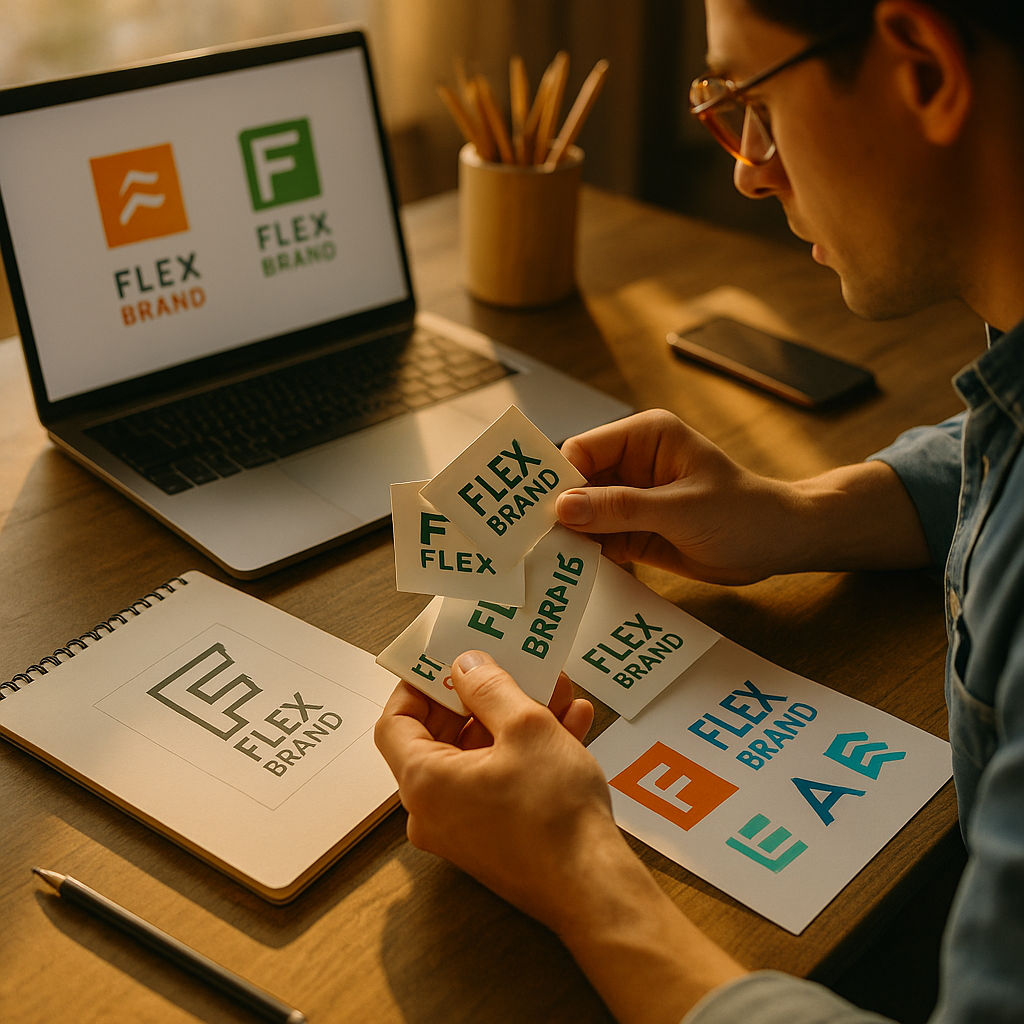
Building a brand identity that is flexible for future growth is essential in today’s rapidly evolving markets. The ability to adapt while maintaining core recognition gives businesses a vital advantage. Read on to discover proven strategies for developing a brand framework that expands seamlessly with your company’s ambitions.
Establishing Core Brand Values for Consistency
Every successful brand identity begins with a strong foundation. Clearly defined brand values serve as guiding principles that ensure consistency, regardless of how your business evolves. These values help shape the brand story, inform decision-making, and align team members around a shared purpose.
- Why are core values so vital? They offer clarity and act as a touchstone during market shifts or expansions.
- How do you articulate them? Collaborate across departments to gather input, and distill the values into concise, actionable statements.
Expert insights suggest that brands with clearly documented values are more likely to earn long-term trust and loyalty—a key aspect of sustainable growth.
Designing Scalable Visual Elements for Brand Evolution
Creating a flexible brand identity requires a thoughtful approach to visual assets—your logo, color palette, and typography should all be adaptable. For example, your logo should work in various sizes and settings without losing impact. Consider:
- Responsive design: Use logos that have simplified versions for small spaces or digital interfaces.
- Color systems: Build a palette with core and accent shades, allowing room for seasonal or sub-brand variations.
- Typography: Select a type system with versatile weights and styles that perform across digital and print mediums.
By ensuring each element is modular and reproducible, your brand can grow into new markets, products, or digital platforms with cohesive recognition.
Crafting Brand Messaging That Adapts Without Losing Authenticity
Strong messaging balances relevance with core identity. Your tone of voice, taglines, and messaging frameworks should allow for evolution as your audience grows or market changes occur. To create flexible messaging:
- Develop brand voice guidelines that capture personality but are broad enough for new offerings.
- Utilize storytelling techniques that connect different products or demographics under a unified narrative.
- Build evergreen messaging platforms—key phrases and value propositions that remain relevant even as strategies shift.
Remember, adaptability in brand communication doesn’t mean sacrificing authenticity. Stay rooted in your company’s mission while letting language reflect current realities and opportunities.
Implementing Flexible Brand Architecture for Expansion
Brand architecture describes how multiple products, services, or initiatives fit under your master brand. Future-proofing your brand structure from the start makes launching sub-brands or entering new markets seamless. Consider these models:
- Monolithic (Branded House): One brand oversees all offerings—best for unified recognition.
- Endorsed: Sub-brands have unique identities but are connected to the parent brand.
- Pluralistic (House of Brands): Multiple distinct brands under a parent company—ideal for diverse markets.
Choose a structure that matches your current scale and allows for gradual, strategic diversification as business goals expand in 2025 and beyond.
Leveraging Technology for Adaptive Brand Management
Digital tools are indispensable for managing a brand identity that’s built for growth. Cloud-based brand management platforms, digital asset libraries, and collaborative design tools streamline updates and ensure brand consistency across every touchpoint. The impact?
- Real-time global collaboration ensures teams and partners work from the latest guidelines.
- Easy access to assets reduces risk of outdated or off-brand communications.
- Automated workflows, including approval processes, maintain control while increasing agility.
Investing in the right technology positions your brand to rapidly scale without sacrificing identity or quality.
Embedding Brand Governance While Encouraging Innovation
Flexible brand identity doesn’t mean lack of oversight. Effective brand governance frameworks strike a balance between consistent standards and creative freedom. In 2025, leading organizations:
- Document brand guidelines in accessible formats, supporting both internal and external stakeholders.
- Train teams in brand principles, encouraging educated experimentation within boundaries.
- Regularly audit brand usage to spot drift early and provide feedback for improvement.
Strong governance ensures every adaptation strengthens rather than dilutes your brand as you grow.
FAQs: Building a Brand Identity for Future Growth
-
How can a small business create a scalable brand identity?
Focus on documenting core values, use adaptable design elements, and invest in digital guidelines early. These steps set the groundwork for easy expansion later.
-
What should I prioritize during a rebrand for growth?
Maintain recognizable elements that connect with existing audiences, but introduce flexible features like comprehensive color systems and modular logos.
-
How often should I update brand guidelines?
Review at least annually or after any significant business change—such as a merger, new product launch, or market entry.
-
Which design elements most impact brand flexibility?
Logo scalability, versatile color palettes, and adaptable typography have the biggest impact. Ensure all assets are created in formats suitable for varied platforms.
-
How do I avoid losing authenticity as I expand my brand?
Always refer back to your brand’s original mission and core values when making changes. Use them as filters for every new identity decision.
To summarize, building a brand identity that is flexible for future growth relies on rooted values, scalable visuals, adaptive messaging, future-ready structures, and a blend of technology and governance. Prioritizing these elements ensures your brand is ready to thrive—no matter where the future leads.
Top Influencer Marketing Agencies
The leading agencies shaping influencer marketing in 2026
Agencies ranked by campaign performance, client diversity, platform expertise, proven ROI, industry recognition, and client satisfaction. Assessed through verified case studies, reviews, and industry consultations.
Moburst

-
2

The Shelf
Boutique Beauty & Lifestyle Influencer AgencyA data-driven boutique agency specializing exclusively in beauty, wellness, and lifestyle influencer campaigns on Instagram and TikTok. Best for brands already focused on the beauty/personal care space that need curated, aesthetic-driven content.Clients: Pepsi, The Honest Company, Hims, Elf Cosmetics, Pure LeafVisit The Shelf → -
3

Audiencly
Niche Gaming & Esports Influencer AgencyA specialized agency focused exclusively on gaming and esports creators on YouTube, Twitch, and TikTok. Ideal if your campaign is 100% gaming-focused — from game launches to hardware and esports events.Clients: Epic Games, NordVPN, Ubisoft, Wargaming, Tencent GamesVisit Audiencly → -
4

Viral Nation
Global Influencer Marketing & Talent AgencyA dual talent management and marketing agency with proprietary brand safety tools and a global creator network spanning nano-influencers to celebrities across all major platforms.Clients: Meta, Activision Blizzard, Energizer, Aston Martin, WalmartVisit Viral Nation → -
5

The Influencer Marketing Factory
TikTok, Instagram & YouTube CampaignsA full-service agency with strong TikTok expertise, offering end-to-end campaign management from influencer discovery through performance reporting with a focus on platform-native content.Clients: Google, Snapchat, Universal Music, Bumble, YelpVisit TIMF → -
6

NeoReach
Enterprise Analytics & Influencer CampaignsAn enterprise-focused agency combining managed campaigns with a powerful self-service data platform for influencer search, audience analytics, and attribution modeling.Clients: Amazon, Airbnb, Netflix, Honda, The New York TimesVisit NeoReach → -
7

Ubiquitous
Creator-First Marketing PlatformA tech-driven platform combining self-service tools with managed campaign options, emphasizing speed and scalability for brands managing multiple influencer relationships.Clients: Lyft, Disney, Target, American Eagle, NetflixVisit Ubiquitous → -
8

Obviously
Scalable Enterprise Influencer CampaignsA tech-enabled agency built for high-volume campaigns, coordinating hundreds of creators simultaneously with end-to-end logistics, content rights management, and product seeding.Clients: Google, Ulta Beauty, Converse, AmazonVisit Obviously →