


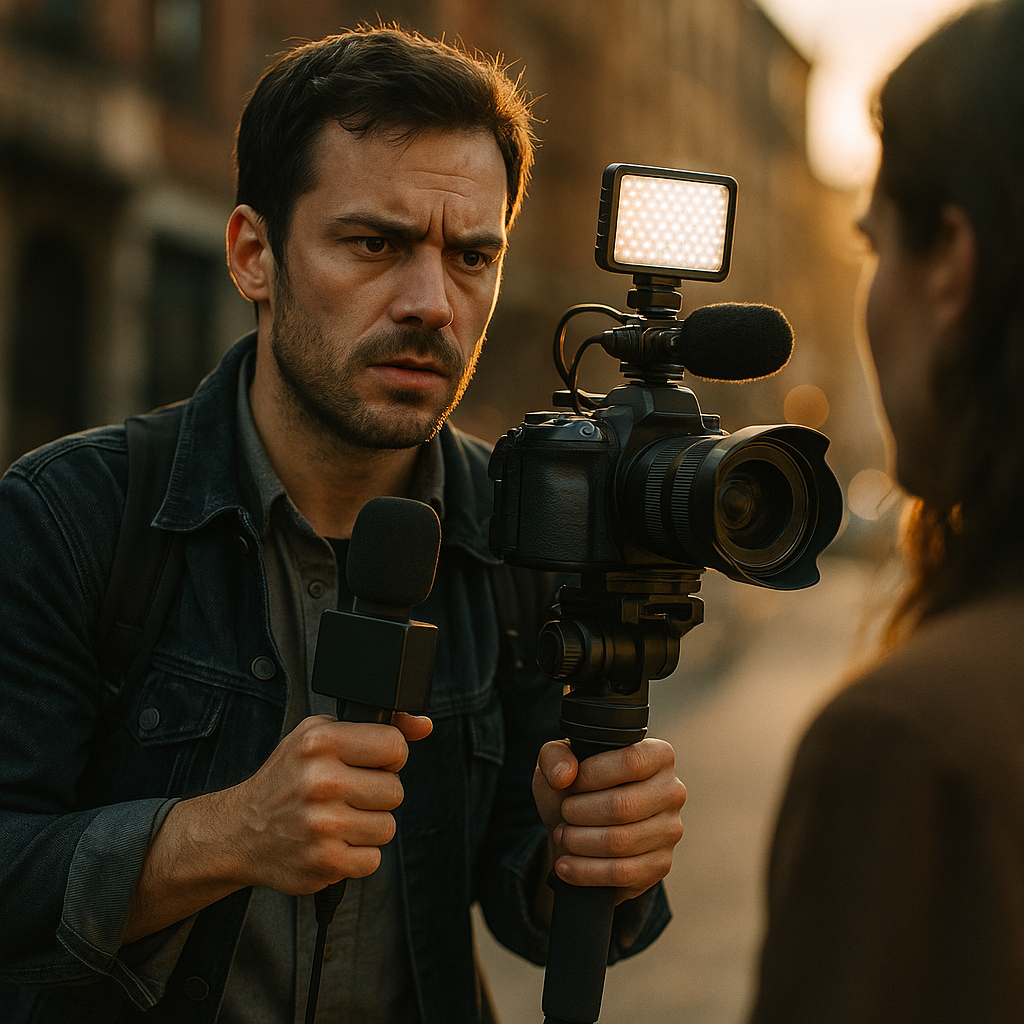
Creator-led investigations are revolutionizing online storytelling, captivating audiences and amassing millions of views. This phenomenon continues to surge as viewers crave authentic insights and fresh perspectives beyond traditional media. But what exactly makes these creator-driven deep dives go viral—and why are they now more trusted than legacy outlets? Let’s explore the rise and influence of creator-led investigations in 2025.
What Are Creator-Led Investigations?
Creator-led investigations are in-depth explorations conducted by independent content creators, often shared across platforms like YouTube, TikTok, and Substack. Unlike mainstream journalists, creators offer a grassroots perspective, blending journalism with personal narrative and audience participation. These investigations frequently span topics such as social issues, scandals, tech, and business, delivering immersive, meticulously-researched reports using video, podcasts, and long-form articles.
In 2025, audiences recognize creator-led investigations for their transparency and their ability to probe stories overlooked by bigger newsrooms. Creators often crowdsource tips, share behind-the-scenes processes, and even adjust their approach based on viewer feedback. This participatory journalism builds trust and forges a closer bond with loyal audiences.
Authenticity and Transparency: The Heart of Viral Content
The secondary keyword “authentic content” captures why these investigations resonate. Audiences are more skeptical than ever of legacy media’s perceived biases and limitations. Creator-led investigations bridge this trust gap by prioritizing honesty, context, and transparency at every stage.
- First-Hand Transparency: Creators document their methodologies, sources, and thought processes, often sharing dislikes or setbacks encountered in research. This openness invites viewers into the investigative journey.
- Unfiltered Storytelling: By eschewing rigid editorial constraints, creators blend personal experience with deep research, making their content more relatable and less clinical.
- Ongoing Corrections: Errors are swiftly acknowledged and rectified in public, establishing higher accountability than traditional corrections buried in print or on air.
According to a 2025 Media Insight Study, over 68% of Gen Z consumers prefer “real, raw, and unfiltered” content, citing creator-led investigations as a top example.
Community-Driven Reporting: How Audiences Shape the Story
“Participatory journalism” isn’t just a buzzword—today’s creator-led investigations thrive on it. Online creators routinely invite tips, questions, and firsthand accounts from their audiences, leveraging collective intelligence. This dynamic not only broadens the investigation’s scope but also boosts engagement and virality.
- Crowdsourcing Tips: Loyal subscribers often provide leads that creators would never uncover alone, amplifying story reach and accuracy.
- Real-Time Fact Checking: Communities quickly challenge inaccuracies or provide corrections, holding creators accountable to a higher standard.
- Democratized Influence: Fans can suggest avenues of inquiry, vote on upcoming topics via polls, or comment in real-time, shaping investigations in meaningful ways.
This inclusive process transforms passive viewers into engaged stakeholders—fueling both word-of-mouth and algorithmic sharing across social platforms.
Algorithmic Advantage: Why Creator-Led Stories Outperform Mainstream Media
Virality is often supercharged by recommendation algorithms on platforms like YouTube, X, and TikTok. Creator-led investigations typically outrank mainstream competitors for several reasons:
- Longer Watch Times: Deep-dive videos and serialized investigations hold attention longer, sending positive signals to algorithms prioritizing engagement over mere clicks.
- Tailored SEO and Thumbnails: Creators carefully optimize keywords, descriptions, and visuals to capture trending interest, making their work irresistible to both users and algorithms.
- Shareable, Accessible Formats: Snappy shorts, interactive polls, and layered social threads encourage sharing and discussion—even outside the creator’s core audience.
In 2025, data from TubeAnalytics Pro shows creator-led stories generate 4x more shares and comments than similar mainstream investigations, with most viral surges occurring within the first 72 hours of release.
The Power of Niche Expertise and Relatability
Creators succeed by diving into hyper-specific topics that mainstream outlets often neglect. Whether uncovering local corruption, breaking industry news, or dissecting influencer controversies, creator-based investigations benefit from:
- Direct Experience: Many creators cover niches they have personal experience in, lending authority and unique behind-the-scenes access.
- Relatable Communication: Content is delivered in a conversational tone, free of jargon, making it accessible without sacrificing nuance.
- Tailored Research: Unlike wide-focus newsrooms, creators can invest weeks or months investigating a single subject, producing exhaustive reports tailored to their community’s needs.
This relatability—combined with rigorous research—earns creators credibility, especially among younger, digitally native viewers who distrust corporate media. As a result, creators’ loyal audiences help amplify investigations to mainstream prominence through grassroots momentum alone.
Challenges: Verification, Legal Risks, and Creator Responsibility
Despite their growing influence, creator-led investigations face challenges unique to independent journalism:
- Verification Standards: Without editorial oversight, there’s increased risk of spreading misinformation. Top creators address this by publishing sources, engaging third-party experts, and openly correcting errors.
- Legal Vulnerability: Libel, privacy concerns, or copyright claims can impact creators more deeply, since independent creators often lack legal resources of major news organizations.
- Burnout and Harassment: Constant investigation, audience scrutiny, and potential backlash can tax creators’ well-being, especially when covering sensitive topics.
Despite these hurdles, responsible creators are pioneering improved verification processes and legal education. Industry groups, such as Creators News Alliance, now offer training and peer support to mitigate risks and maintain ethical standards in 2025.
Conclusion: The Lasting Impact of Creator-Led Investigations
Creator-led investigations have become viral sensations by offering authentic content, engaging communities, and outpacing mainstream media in reach and resonance. As audiences prioritize transparency and participation, this movement will shape how stories are covered—and trusted—in 2025 and beyond. To stay informed, look to the creators redefining modern journalism from the ground up.
FAQs: Creator-Led Investigations in 2025
- What is a creator-led investigation?
A creator-led investigation is an in-depth examination of an issue or event conducted by an independent content creator, rather than a traditional news outlet. These investigations are typically shared via digital platforms and emphasize transparency, audience participation, and original storytelling.
- Why do creator-led investigations go viral?
They combine authentic content, direct audience engagement, and algorithm-friendly formats. Audiences trust creators to provide transparency, and social sharing—as well as platform algorithms—amplifies viral reach far beyond that of mainstream media.
- Are creator-led investigations trustworthy?
Many are, but trustworthiness depends on the creator’s research standards, transparency, and willingness to correct mistakes. Look for creators who disclose sources, collaborate with industry experts, and engage openly with their audiences.
- How can I participate in a creator-led investigation?
Engage by submitting tips, evidence, or feedback through comment sections, email, or social media. Many creators regularly solicit audience input, ensuring investigations remain relevant and accurate.
- What challenges do independent creators face?
Challenges include verifying facts without a traditional editorial team, facing legal risks, and managing mental health under audience scrutiny. Top creators address these by embracing transparency, peer support, and expert consultation.