


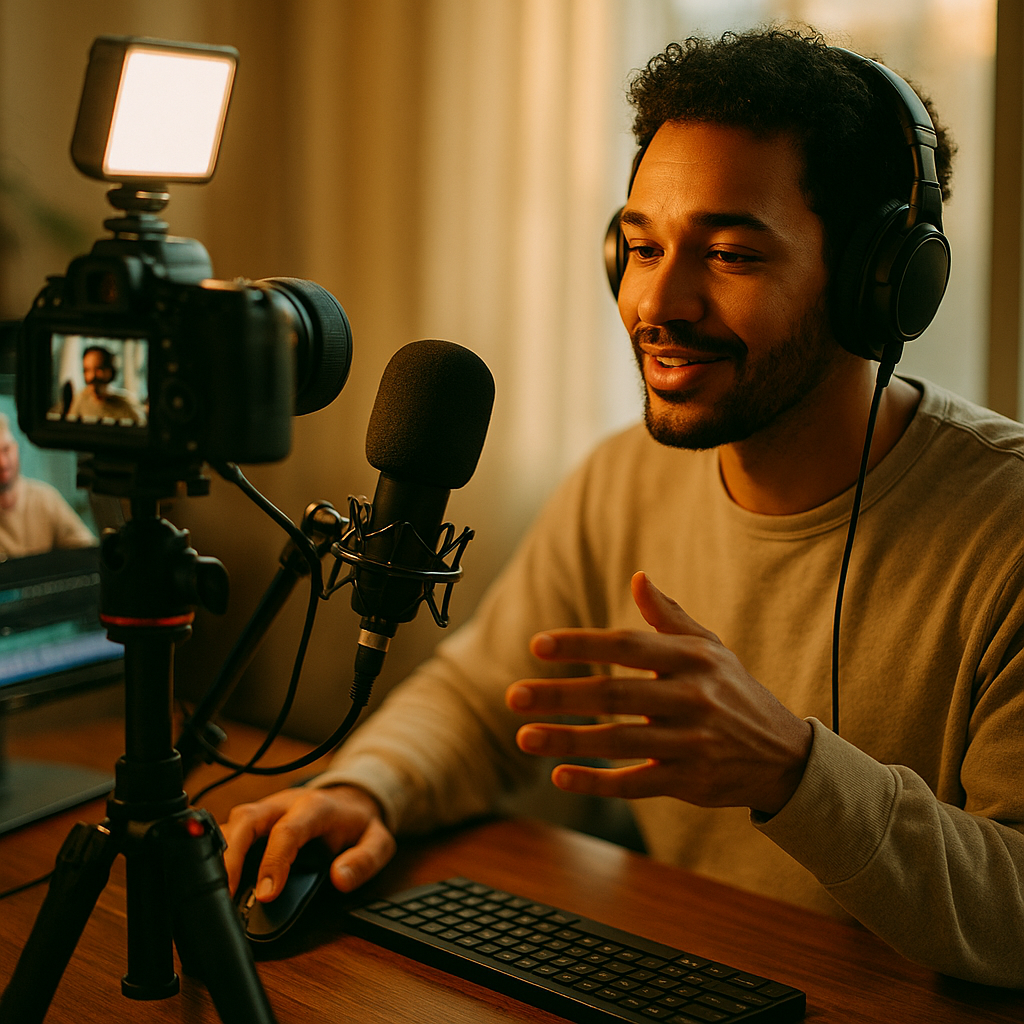
The creator-led media company is redefining the digital content landscape in 2025. Fueled by the authenticity and agility of individual creators, this new approach is disrupting traditional publishers and broadcasters. What does this mean for brands, marketers, and audiences seeking to navigate the new competition? Let’s explore why creator-led media companies are rising—and how your business should respond.
The Rise of the Creator-Led Media Company: Why Now?
The term “creator-led media company” refers to organizations built and operated around digital creators—such as YouTubers, podcasters, streamers, and TikTokers—who cultivate loyal audiences on social platforms. Unlike traditional publishers, these companies are rooted in personality-driven content and direct community engagement.
Recent data from CreatorIQ reveals that creator-led media companies outperformed legacy media in engagement throughout 2024. Audiences crave authenticity and relatability, both hallmarks of the creator model. As streaming platforms and social media democratize content distribution, it’s easier than ever for creators to build brands and grow revenue through advertising, memberships, and merchandise.
Consumer trust is also surging for creators. A 2025 Nielsen report shows 72% of Gen Z and Millennials trust recommendations from creators over traditional ads. This seismic shift puts creator-led media companies at the forefront of digital influence.
Business Models for Creator-Led Media: Diversification and Scale
Creator-led media companies leverage varied business models beyond ads for sustainable growth. Here’s how leading creators and their teams monetize:
- Direct Fan Revenue: Memberships, exclusive content platforms, and crowdfunding support like Patreon and Ko-fi empower direct community-funded operations.
- Merchandise Brands: Many creators launch apparel and physical products, turning audiences into buyers—think Emma Chamberlain’s Chamberlain Coffee or Sidemen’s XIX Vodka.
- Licensing & IP Expansion: Podcasts become TV shows, gaming channels release games, and creator books top bestseller lists—blurring lines between niche and mainstream media.
- Brand Partnerships: Advertisers seek contextual, authentic storytelling via creators, favoring long-term ambassador roles over one-off influencer campaigns.
- Multiplatform Distribution: Savvy creator-led companies distribute across YouTube, TikTok, Instagram, newsletters, and proprietary apps to reduce risk and boost reach.
The evolution into multi-creator collectives and studios, like Mythical Entertainment and the Misfits, showcases how creator media companies achieve scale and sustainability.
Competition with Traditional and Digital-First Publishers
Creator-led media companies don’t just compete on content—they compete on trust, speed, and community. In 2025, legacy publishers are struggling to adapt to the rapid shifts in audience preferences and algorithmic platforms.
Data from Tubular Labs shows that native creator channels claimed over 45% of social video watch time globally, dwarfing many major media brands. Creator teams experiment quickly, pilot new formats weekly, and openly respond to feedback—building an agile business DNA.
Meanwhile, digital-first publishers like BuzzFeed and Vox are pivoting toward partnerships with independent creators to avoid irrelevance, while investing in original creator programming. The line between influencer and publisher is fading as creators launch newsletters, podcasts, and multiplatform networks, echoing the structures of established media houses but with leaner, faster teams.
Audience Engagement: Why Creator-Led Media Wins Attention
Creator-led media companies are engineered for engagement, not just reach. At their core are communities, not just passive audiences. Real-time interaction—via Discord channels, livestream chats, or comment sections—lets creators shape content with direct input.
This two-way engagement boosts retention time and audience loyalty. According to Sprout Social’s 2025 “Digital Community Trust” report, active communities tied to creators see a 58% higher retention rate than publisher-led social groups. Creators often address followers by name, adapt content based on live polls, and co-create merchandise designs, making fans feel invested in the brand’s journey.
The direct data loop—unfiltered by publishers or platforms—gives creators insights that drive rapid innovation. Successful creator-led companies tap into these insights to spot trends earlier and seize viral moments before traditional media can respond.
Monetization and Brand Partnerships in the Creator Economy
Brand collaborations within creator-led media companies have transitioned from simple sponsorships to joint ventures. For brands, the new competition is personal, audience-driven storytelling at scale. Nielsen’s 2025 Influence Index reports that campaigns co-created with creators see a conversion rate 2.3x higher than traditional digital ads.
Sophisticated creator-led companies offer integrated media products—advertorials, branded mini-documentaries, sponsored challenges, and exclusive product drops. They also leverage alternative ad tech, prioritizing transparency and measurement that aligns with direct follower sentiment rather than opaque reach metrics.
For creators, this means increased bargaining power. In 2025, top-tier creator-led companies negotiate licensing rights, backend deals, and even equity stakes—not just flat fees. The trend pushes brands to invest long-term in creator relationships versus transactional sponsorships.
Challenges and Opportunities: Navigating 2025’s Creator-Led Landscape
While creator-led media companies are booming, growth brings operational challenges. Talent management, burnout prevention, and intellectual property rights are top priorities. Scalable business systems are essential as creators transition from solo enterprises to small, multi-discipline teams.
Algorithmic volatility, platform moderation, and economic shifts pose ongoing risks. To mitigate this, leading creators diversify platforms, own their email lists, and build direct-to-fan membership ecosystems. The most resilient creator-led companies invest in legal, financial, and HR expertise to safeguard their brands long term.
The opportunity for brands and agencies? Partner with creators early, support their visions, and co-create content that resonates natively within fandoms. Companies that approach creator-led media as a true partnership—not just marketing—will gain a strategic edge.
Conclusion: The Creator-Led Media Company—A Competitive Imperative
In 2025, the creator-led media company isn’t a trend but a new industry norm. Businesses that understand the blend of authenticity, engagement, and innovation at the heart of this movement will secure lasting relevance. Embrace partnership, prioritize community, and adapt your marketing to thrive in the era of creator-led competition.
FAQs: The Creator-Led Media Company in 2025
- What is a creator-led media company?
A creator-led media company is built around one or more digital creators, leveraging their personal brand, content, and direct audience engagement to operate as a media business across multiple channels. - How do creator-led companies make money?
They generate revenue through digital advertising, branded partnerships, direct community support (subscriptions or crowdfunding), merchandise sales, event tickets, podcast/audio licensing, and sometimes equity-based brand collaborations. - Why are creator-led media companies outperforming traditional media?
They offer authentic, relatable content, direct fan interaction, rapid innovation, and more loyal communities—factors that drive higher engagement, trust, and brand effectiveness in 2025’s digital landscape. - How can brands work with creator-led media companies?
Brands should approach creator-led companies as partners—co-creating content, producing native campaigns, supporting exclusive product drops, and respecting creator autonomy and audience fit for maximum impact. - What risks do creator-led media companies face?
Risks include algorithm changes, platform policy shifts, creator burnout, intellectual property issues, and increased competition. Companies mitigate these by diversifying income streams and investing in business infrastructure.