


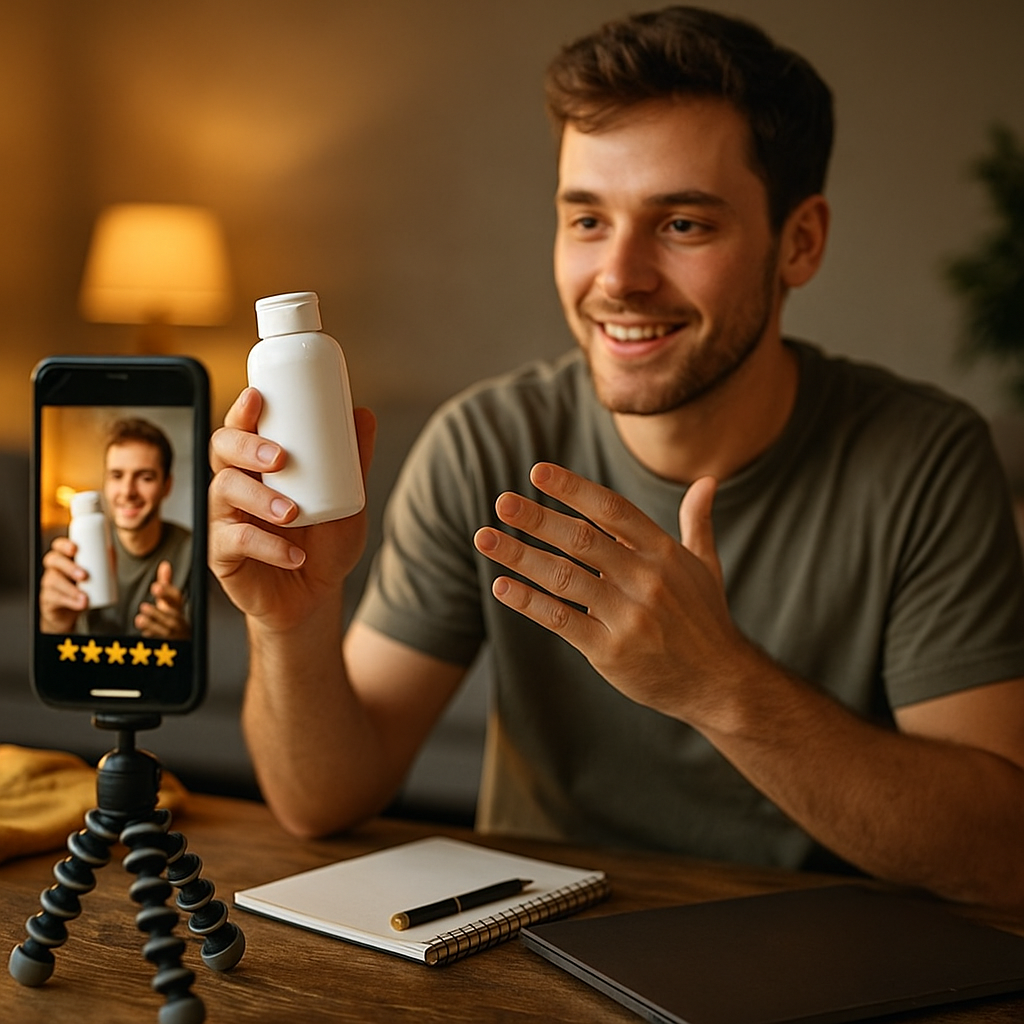
Creator-led reviews have rapidly become the gold standard for building brand trust in 2025, as audiences crave authenticity and real-life experiences over traditional ads. As consumers scrutinize purchasing decisions more closely than ever, understanding why this trend works gives brands a powerful advantage. Discover the deeper psychology and proven results behind creator-driven endorsements below.
Authenticity in Brand Reviews: What Sets Creator-Led Content Apart?
Today’s digital shoppers are highly attuned to authenticity, and this is where creator-led reviews shine. Unlike polished ads, creator-generated reviews feel transparent and unscripted. Viewers see real people sharing genuine experiences rather than staged testimonials or corporate messaging. According to a recent Edelman Trust Barometer update, 81% of consumers say they need to trust a brand before making a purchase—a record high in 2025.
Creators build credibility over months or years with their audience. When they review a product, followers trust it’s an honest assessment. They share pros, cons, and unfiltered opinions, addressing questions potential buyers might have, as opposed to glossing over weaknesses. This transparency is the foundation for deep, lasting brand trust.
Leveraging Relatability to Build Credibility
Secondary keyword: Relatable creator reviews
Relatable creator reviews make products feel accessible and appealing. Creators often come from diverse backgrounds, making them more identifiable than traditional celebrities or paid spokespeople. Viewers are more likely to see themselves in the creator, leading to a stronger connection with both the reviewer and the brand.
Practical demonstrations, personal stories, and even visible mistakes help viewers imagine how the product fits into their own lives. For instance, a food creator navigating a trendy appliance or a beauty influencer applying a new product in real-time offers a trustworthy perspective that resonates. This relatability translates into higher engagement rates and improved conversion, as seen in platforms like TikTok and YouTube, where relatable content consistently outperforms polished advertising.
The Power of Social Proof: How User-Generated Reviews Drive Action
Secondary keyword: User-generated brand trust
User-generated reviews have become the ultimate form of social proof. According to Google’s 2025 Consumer Insights, over 76% of purchase decisions now involve researching user-generated content before checkout. Creator-led reviews amplify this effect by combining individual reputation with product testimonials, creating a multiplier for brand trust.
Followers know their favorite creators have curated reputations to protect. A single misstep could damage not only the promoted product’s reputation but also the creator’s own standing. This built-in accountability is a prime driver of user-generated brand trust. When creators choose to review a brand, audiences see it as a personal endorsement. This trust is nearly impossible to replicate with traditional marketing tactics alone.
- Volume effect: Multiple creators reviewing the same product can catapult its perceived value.
- Peer validation: Community discussions and shared creator content reinforce perceived reliability.
- Real-world context: Seeing real people use a product ’in the wild’ removes barriers to purchase.
Transparency and Disclosure: Meeting Modern Ethical Standards
Secondary keyword: Transparent influencer marketing
The demand for transparent influencer marketing is higher than ever in 2025. Regulatory guidelines from the FTC and major platforms now require upfront disclosure of sponsorship or partnerships. Audiences appreciate and expect this transparency. Smart creators address these disclosures openly, often explaining why they chose to partner with a brand or how they select products for review.
Transparent practices include:
- Disclosing sponsorships in a visible, honest way
- Explaining product sourcing (e.g., gifted vs. purchased)
- Sharing long-term rather than one-off reviews
- Inviting audience questions and sharing negative as well as positive experiences
These strategies enhance credibility and foster a community built on mutual respect. Brands that embrace and encourage radical transparency consistently see more loyal customers and stronger repeat purchase rates.
Long-Term Impact: How Creator Partnerships Drive Brand Loyalty
Secondary keyword: Building long-term brand loyalty
Creator partnerships extend far beyond a single post. When brands build relationships with creators, audiences witness sustained engagement and storylines around a product or service. This strategy shifts the focus from quick wins to building long-term brand loyalty. The ongoing dialogue allows for greater product understanding, continuous feedback, and a sense of shared ownership between the creator, brand, and community.
Notably, recurring content such as follow-up reviews, “one year later” testimonials, and behind-the-scenes posts deepen the audience’s trust. A recent Sprout Social 2025 report noted a 28% increase in repeat purchases when customers encountered multi-post creator reviews, as compared to a single sponsored mention. Creator-led, long-term storytelling nurtures customer loyalty and turns passive audiences into active brand advocates.
Best Practices for Brands Embracing Creator-Led Reviews
Secondary keyword: Effective creator review strategies
Brands aiming to harness the full potential of creator-led reviews must employ effective creator review strategies:
- Choose alignment over reach: Partner with creators whose values and audience genuinely align with your brand.
- Empower creative freedom: Allow creators the space to tell their authentic story, even if it means sharing imperfections.
- Prioritize audience engagement: Encourage creators to answer comments, address concerns, and participate in community feedback.
- Support transparency: Advocate for clear disclosures and honest communication at every stage of the partnership.
- Measure and adapt: Track engagement, sentiment, and conversion data to refine your creator-led approach for maximum trust and impact.
Following these best practices enables brands to foster genuine partnerships that benefit everyone—brands, creators, and most importantly, consumers.
Conclusion: Creator-Led Reviews Are the New Trust Standard
As audiences grow increasingly skeptical of traditional marketing in 2025, creator-led reviews have emerged as the new benchmark for building deep brand trust. Authenticity, relatability, social proof, transparency, and long-term engagement all combine to form powerful, lasting connections. For brands seeking meaningful impact, embracing creator-driven endorsements is no longer optional—it’s essential.
FAQs on Creator-Led Reviews and Brand Trust
-
Why do creator-led reviews foster deeper trust than traditional advertising?
Creator-led reviews are perceived as authentic, honest, and unscripted. Their trust stems from the creator’s established credibility and willingness to share both positive and negative experiences, helping consumers make informed decisions.
-
How can brands ensure influencer marketing remains transparent?
Brands should encourage creators to disclose all partnerships, detail how products are received, and welcome open discussions with their audiences while complying with regulatory requirements for influencer marketing transparency.
-
What risks do brands face with creator-led reviews?
The main risk is potential negative feedback if a product does not meet expectations. However, this honesty can actually increase trust, provided that brands respond promptly and use feedback constructively.
-
Should brands focus on micro-influencers or larger creators?
Both have advantages, but micro-influencers often have more engaged, niche audiences and higher perceived relatability, making them excellent partners for building deep brand trust through authentic reviews.
-
How should brands measure the impact of creator-led reviews?
Track metrics such as engagement rate, audience sentiment, conversion rate, repeat purchases, and long-term follower growth to evaluate the direct and indirect effects of creator partnerships on brand trust and loyalty.