


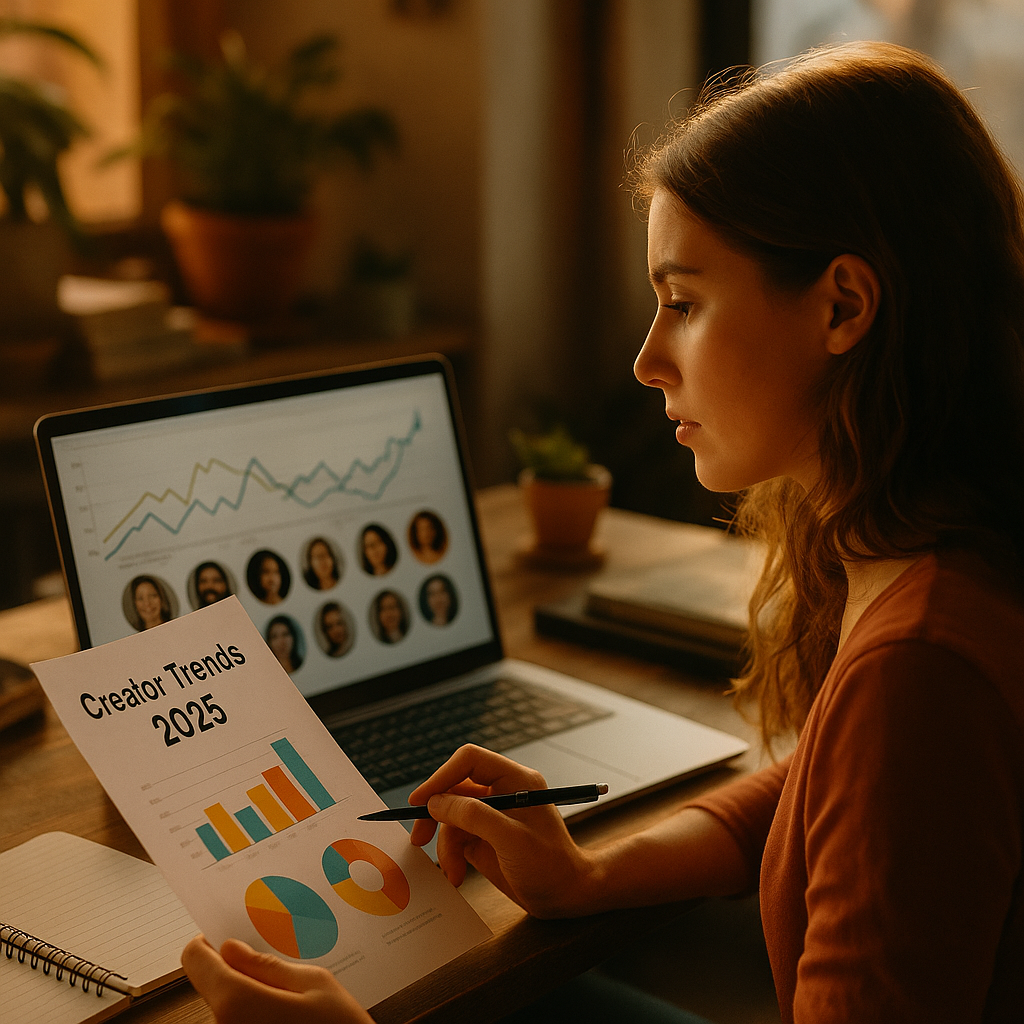
Creator trend forecasting matters for brands in 2025 because digital consumers now define what’s “next.” Brands who spot emerging creator-led trends can shape campaigns, products, and media buys with unmatched agility. But what exactly is creator trend forecasting, and how does it propel brands ahead of the pack?
What is Creator Trend Forecasting and Who Does It?
Creator trend forecasting is the data-driven process of identifying patterns, shifts, and viral content themes emerging from digital creators across platforms like TikTok, YouTube, and Instagram. This approach moves beyond traditional trend spotting, as creators set cultural and consumer agendas in real-time. Specialist agencies, in-house marketing teams, and AI-powered SaaS platforms now work together to analyze millions of creator signals, filtering authentic trends from fleeting fads.
At its core, creator trend forecasting involves:
- Monitoring creator-driven content surges and early viral moments
- Analyzing sentiment and engagement data to predict longevity
- Identifying micro-communities and their influence on broader audiences
- Connecting trends to product innovation and brand relevance
Brands who excel at creator trend forecasting don’t just react to what’s popular—they anticipate what consumers will want before the rest of the industry catches up.
Why Influencer Trends Have Outpaced Traditional Market Research
Social platforms shift at the speed of culture, with Gen Z and Millennials turning to creators for inspiration more than conventional media. According to GWI’s 2025 report, 80% of those aged 16-34 say they trust creators’ recommendations over brand ads. This shift makes influencer trends an “early warning system” for brands who want to connect authentically.
Traditional market research, while valuable, often lags by weeks or months. Creator trend forecasting, by contrast, supplies real-time signals about:
- Product preferences and pain points voiced by creator communities
- Shifts in visual aesthetics, music, humor, and storytelling
- Practical, crowd-tested hacks and product modifications
By embracing creator-led insights, brands can calibrate their strategies faster, ensure relevance, and avoid costly missteps caused by delayed data.
How Brands Use Creator Trend Forecasting to Win in 2025
Leading brands now embed creator trend insights throughout the marketing lifecycle. Here’s how they gain competitive advantages in 2025:
- Campaign Planning: Creative teams use early creator signals to craft messaging aligned with audience moods and cultural moments.
- Product Development: R&D teams monitor creator-originated product “hacks” and unmet needs, then infuse them into innovation pipelines.
- Partnership Selection: Brands seek out the creators behind viral trends, collaborating for product launches or limited edition collections.
- Crisis Response: Real-time creator sentiment alerts teams to shifting audience reactions, enabling fast pivots in PR strategy.
- Retail and Merchandising: Insight into what creator communities covet informs stock choices, store displays, and e-commerce promotions.
For example, a beauty brand that monitors TikTok creator “get ready with me” edits might spot a surge in minimalist makeup routines. Acting quickly, they can launch a campaign or limited product bundle before the trend reaches mass retailers—earning first-mover advantage.
The Role of AI and Data Analytics in Creator Trend Forecasting
Artificial intelligence and data analytics are indispensable in 2025, given the sheer scale and speed of creator content. AI-powered tools process billions of data points daily, surfacing micro-trends and hidden sentiment clusters that humans might overlook. Natural language processing (NLP) analyzes video transcripts, hashtags, and creator comments for emerging themes.
Brands benefit from:
- Dynamic dashboards visualizing trend velocity, location, and potential impact
- Predictive analytics estimating which trends have staying power
- Sentiment tracking to monitor emotional responses and controversies
- Competitive benchmarking to assess if a trend is unique or already adopted by rivals
By combining AI insights with human expertise, brands can test, validate, and act on creator trends within weeks—not quarters—reducing the risk of missed opportunities.
EEAT: Ensuring Credibility and Trust in Trend Forecasting
With more brands relying on creator trend forecasting, Google’s EEAT (Experience, Expertise, Authoritativeness, Trustworthiness) framework matters more than ever. Brands must evaluate the credibility of both creators and forecasting tools, ensuring insights are based on authentic, diverse sources—not manipulated or bot-driven signals.
To embody EEAT best practices:
- Use verified, transparent datasets and partnerships with respected creators
- Disclose methodology when leveraging AI-driven forecasts in public messaging
- Cross-validate major trend signals with audience research or third-party analytics
- Embrace inclusive creator communities that reflect broad cultural shifts
Prioritizing EEAT not only builds consumer trust, but also ensures Google and social platform algorithms reward your content and collaborations with stronger visibility.
Challenges and Best Practices When Adopting Creator Trend Forecasting
While creator trend forecasting brings powerful advantages, brands also face challenges:
- Signal Overload: The sheer volume of content can produce noise and “trend fatigue.” Curated dashboards and clear KPIs help teams focus on the highest-impact signals.
- Short Trend Lifecycles: Many creator-led trends spike and fade rapidly. Brands should balance fast-response tactics with evergreen brand positioning to avoid overextending resources.
- Authenticity Risks: Jumping on trends without genuine alignment can backfire. Vet creator partners thoroughly and ensure messaging reflects authentic values.
Best practices for brands include ongoing workforce training, robust vetting of trend sources, and agile campaign structures. Pilot programs let marketers test the effectiveness of trend-driven initiatives before scaling widely.
In summary, creator trend forecasting gives brands a decisive edge in predicting and shaping consumer culture in 2025. Strategic brands who embrace these tools and principles will stand out as cultural leaders, not just fast followers.
FAQs About Creator Trend Forecasting for Brands
-
What is the difference between creator trend forecasting and traditional trend forecasting?
Creator trend forecasting focuses on digital creators’ content as real-time signals, while traditional forecasting relies on slower, more generalized market or consumer data. The former captures shifts at the speed of social culture, making it more agile.
-
How often should brands monitor creator trends?
Brands benefit from continuous trend monitoring, with weekly or even daily reviews of dashboards tailored to their sector and audience. Fast-moving industries may require real-time intelligence to stay ahead.
-
Can small brands leverage creator trend forecasting?
Absolutely. AI-powered tools have become more accessible in 2025, allowing small brands to identify relevant micro-trends and act with agility, even on modest budgets.
-
How do you ensure that a trend is authentic and not artificially generated?
Look for organic engagement patterns, diverse creator participation, and third-party validation. Use analytics tools to filter bot activity and cross-validate trends through multiple sources.