


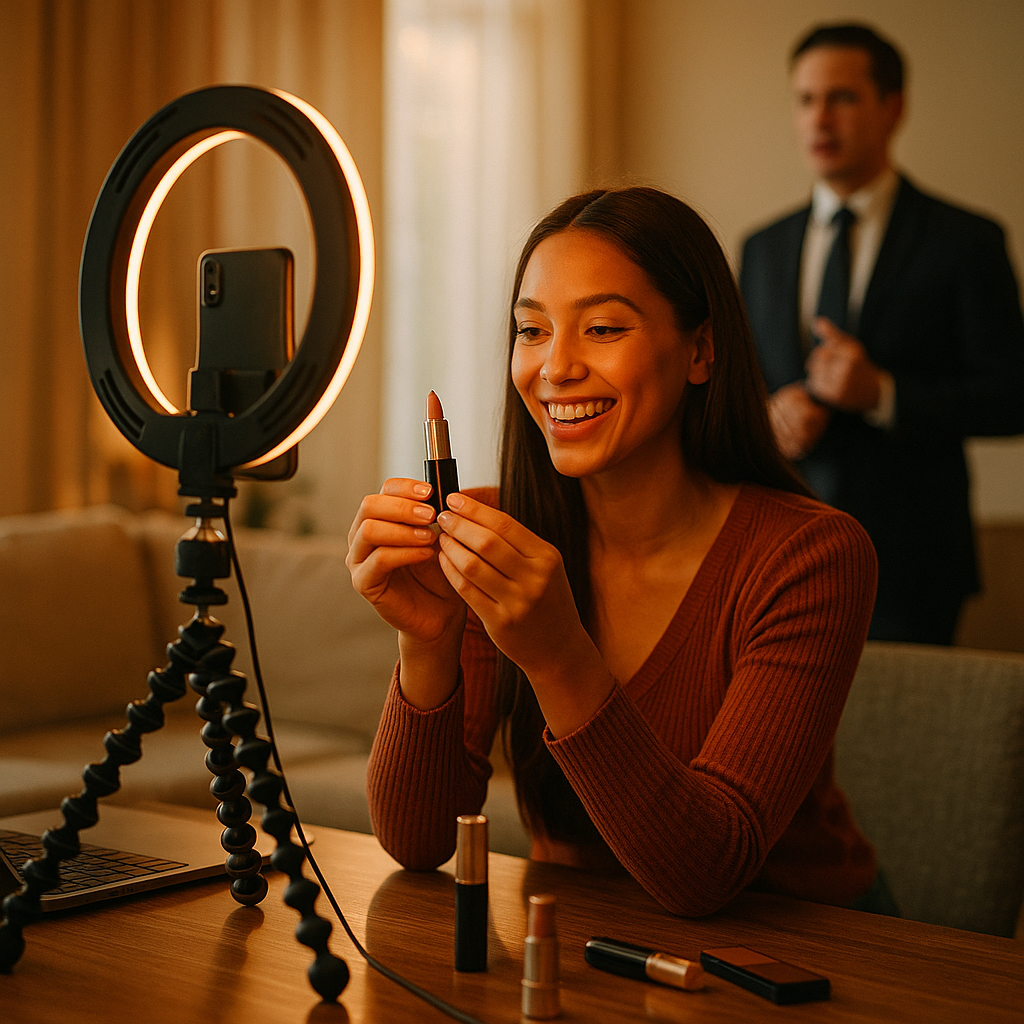
Brands are rapidly embracing creators as the new faces of their campaigns, signaling a shift from traditional spokespeople. Why creators are replacing traditional spokespeople isn’t just a marketing trend—it’s a strategic move driven by credibility, reach, and engagement. Discover how this transformation is reshaping brand storytelling and what it means for businesses aiming to stay relevant.
The Rise of Influencer Marketing and Creator Partnerships
Influencer marketing and creator partnerships have become powerful assets for brands in 2025. Traditional spokespeople, such as celebrities or company executives, once dominated advertising. Today’s audiences, however, crave authentic stories and relatable personalities. Research by Influencer Marketing Hub shows that 90% of marketers now view influencer collaborations as equal to or better than other channels for ROI.
Social media platforms like TikTok, Instagram, and YouTube have empowered individual creators to amass loyal followings and build their own brands. Creators share their lives, opinions, and expertise—blurring the lines between endorsement and peer recommendation. This organic connection is why companies now turn to creators for endorsements that feel natural and sincere.
- Authenticity: Audiences trust creators because they share personal experiences, not scripted brand messages.
- Cost-effectiveness: Collaborating with creators often generates higher ROI with smaller budgets compared to high-priced celebrity spokespeople.
- Higher Engagement: Creator content consistently outperforms traditional ads in likes, shares, and comments.
Authenticity Over Celebrity Endorsements
The demand for authenticity is driving why creators are replacing traditional spokespeople. Audiences in 2025 are especially vigilant against inauthentic or overtly commercial promotion. When brands use creators, they leverage individuals who have nurtured communities built on trust and transparency.
Rather than rehearsed taglines, creators weave brand mentions seamlessly into their content—product demos, honest reviews, and day-in-the-life videos feel genuine. A recent Deloitte survey found that 67% of consumers are more likely to purchase a product recommended by a creator they follow, compared to a celebrity spokesperson. Brands that embrace creator partnerships can ensure their narratives resonate with actual consumer needs and values.
- Creators answer questions directly and engage in two-way conversations.
- No two creators are the same, resulting in more unique and diverse brand activations.
Broader and More Targeted Audience Reach
Creators excel at reaching targeted and niche audiences, a key factor in why creators are replacing traditional spokespeople. Traditional advertising delivers broad messages but often struggles to engage niche communities. In contrast, creators develop content tailored to the interests of their dedicated followers.
Creator platforms offer advanced analytics, letting brands refine campaigns in real-time. Micro- and nano-creators can focus on local communities or specialized topics, providing both scale and precision. This agility is invaluable: according to Sprout Social, 73% of marketers believe that content from creators allows them to “reach hard-to-access or emerging audiences.”
- Geographical targeting: Localized creators help brands build presence in specific regions.
- Demographic alignment: Brands can select creators whose followers match their ideal customer profiles.
- Platform fluency: Creators know each platform’s culture, optimizing content for maximum reach.
Enhanced Engagement and Measurable ROI
A major reason why creators are replacing traditional spokespeople is the measurable engagement creators drive. Traditional ads are often ignored or skipped, but creator content sparks real dialogue. From interactive Q&A sessions to behind-the-scenes ‘stories’, creators inspire followers to participate—not just observe.
Unlike traditional spokespeople, whose campaigns may offer only broad metrics, creator-driven campaigns provide granular data. Brands can track clicks, comments, sales, and sentiment. According to a 2025 HubSpot report, brands rate creator partnerships as their “most valuable channel for accurate performance tracking and agile campaign optimization.”
- User-Generated Content (UGC) encourages even more engagement as followers begin to create and share their own experiences.
- Affiliate links and custom codes enable direct measurement of sales conversions from creator campaigns.
The Power of Relatable Storytelling and Community Building
Relatable storytelling is another advantage driving the shift from traditional spokespeople to creators. Creators excel at narrative: they share journeys, challenges, and triumphs that resonate with viewers. This storytelling invites audiences into a genuine community—not just a marketing funnel.
Communities built around creators often exhibit higher loyalty, leading to repeat purchases and enthusiastic word-of-mouth. Brands that collaborate closely with creators are able to tap into these passionate micro-communities and foster long-term relationships.
Moreover, creators are uniquely positioned to adapt messaging for evolving cultural conversations and trends, maintaining audience relevance much faster than traditional spokespeople can.
- Trust is cumulative: As creators continue delivering authentic content, their audience’s trust compounds—fueling ongoing brand success.
- Community aligns with brand values: When brands and creators share values, partnerships foster genuine advocacy instead of transactional sponsorships.
Navigating Risks and Ensuring Brand-Alignment With Creators
While the benefits are significant, brands must also weigh the challenges of working with creators. The freedom and independence that make creators influential can also pose risks if their behavior or content doesn’t align with brand values. In 2025, savvy brands adopt comprehensive vetting processes and clear contracts to safeguard reputation.
Prioritizing long-term collaboration over one-off sponsorships helps ensure alignment and authenticity. By co-creating content, brands and creators can agree on messaging while preserving the creator’s authentic voice. Industry leaders now rely on dedicated influencer management teams and use AI-driven tools to evaluate creator fit, sentiment analysis, and audience compatibility.
- Vetting creators’ content history and audience demographics is essential for brand safety.
- Transparent disclosure of partnerships helps maintain trust and regulatory compliance.
- Brands benefit most by providing creative freedom within mutually agreed guardrails.
Conclusion: The Future of Brand Advocacy Belongs to Creators
Why creators are replacing traditional spokespeople comes down to trust, agility, and measurable value. Brands that embrace this shift can build deeper consumer relationships, reach targeted audiences, and adapt quickly to trends. The future belongs to brands and creators who cultivate authentic, community-driven engagement—ensuring relevance in an ever-evolving marketing world.
Frequently Asked Questions
- Why are creators considered more effective than traditional spokespeople?
Creators offer authenticity, build trust through relatable storytelling, and deliver higher engagement. They tap into dedicated communities and provide measurable results, making brand partnerships more impactful. - Are creator partnerships more cost-effective than hiring celebrity spokespeople?
Generally, yes. Creator campaigns often require smaller budgets but generate higher engagement and ROI due to their niche followings and organic connections. - How can brands ensure alignment and avoid reputation risk with creators?
Brands should vet creators thoroughly, set clear expectations, use contracts, and encourage regular collaboration. Transparency and value alignment are essential for minimizing risk. - What platforms are best for creator collaborations in 2025?
Instagram, TikTok, YouTube, and emerging interactive platforms all support successful creator partnerships, depending on target audience and content format. - How do brands measure the success of creator campaigns?
Brands track metrics such as engagement (likes, shares, comments), sales attributed via affiliate links or codes, sentiment analysis, and community growth to assess impact.