


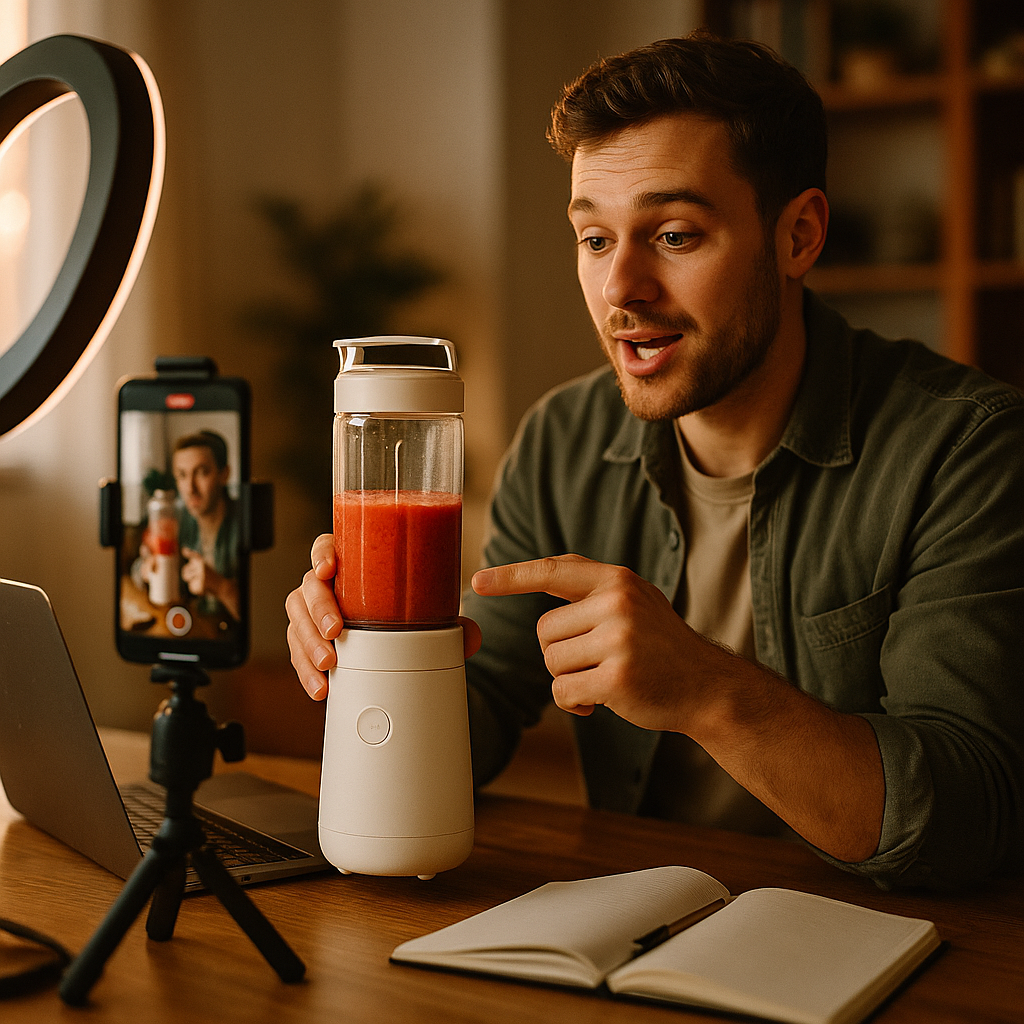
Creators are becoming the new product educators, revolutionizing how people discover and understand brands in 2025. As audiences seek authenticity and clarity, creators bridge knowledge gaps with relatable, engaging content. Businesses eager to adapt must pay attention: why are creators, not traditional marketers, leading the charge in product education? Let’s uncover what’s fueling this shift and how it impacts your strategy.
The Rise of Creator-Led Product Education
In today’s crowded digital marketplace, traditional marketing messages often get lost in the noise. Increasingly, consumers want real, relatable, and trusted voices to explain products before making purchasing decisions. This surge in creator-led product education is a response to changing consumer expectations. Influencers, niche experts, and tech reviewers are forming powerful bridges between brands and everyday users.
Social media platforms now prioritize content from individual creators over pure brand messaging. In fact, a recent global survey by HubSpot found that 62% of consumers trust product recommendations from creators over branded advertising. Creators provide honest reviews, tutorials, and deep dives—breaking down barriers to understanding complex offerings. Their active presence on platforms like YouTube, TikTok, and Instagram drives the next wave of informed, empowered consumers.
Why Authenticity Drives Engagement and Trust
Consumers are increasingly skeptical of polished ads and celebrity endorsements. In contrast, authentic creator content builds relationships based on trust and relatability. When creators demonstrate products in real-world scenarios, they connect with audiences on a personal level. This genuine communication fosters transparency and loyalty, encouraging followers to take product recommendations seriously.
For example, tech creators don’t just outline smartphone features—they share honest thoughts on usability, pros and cons, and even where products fall short. Beauty influencers film unfiltered routines, discussing both successes and mishaps. This open approach demystifies products, helping users feel confident in their purchase decisions. As a result, creators consistently see higher engagement, longer watch times, and more meaningful conversations in the comments.
Platforms Shaping the Creator-Education Movement
The evolving feature sets of major social platforms have turbocharged the creator-educator trend. In 2025, interactive formats such as Instagram Reels, YouTube Shorts, and TikTok’s live demonstrations enable nuanced product walkthroughs and real-time Q&A sessions. These bite-sized, informative videos make learning about products fast, fun, and accessible.
Shopping features, such as embedded links and live shopping events, seamlessly blend content with commerce. On Pinterest, creators now offer step-by-step product guides, while Twitch streamers host tech “unboxings” paired with live chats. These platforms reward educators who keep audiences informed and entertained, turning learning into an integrated part of the shopping experience. As a result, brands are prioritizing partnerships with creators who can translate features into tangible benefits.
How Brands Win by Empowering Creator-Educators
Forward-thinking companies recognize that education is persuasion. By collaborating with expert creators, brands access authentic voices trusted by their target markets. The results are compelling: according to a 2025 HypeAuditor report, campaigns with educational creator content deliver up to 58% higher conversion rates compared to standard influencer efforts.
Effective partnerships begin with clear communication and creative freedom. Instead of dictating scripts, smart brands supply exclusive insights and resources, then allow creators to share honest opinions and demonstrations. Some leading companies go further—co-developing products or online courses with creators to boost credibility. This strategy transforms creators from paid promoters into true educators, deepening customer understanding and shortening the path to purchase.
- Inviting Early Access: Brands provide pre-launch access for creators to fully test products and create in-depth tutorials.
- Personalized Support: Companies offer technical support and insider tips, helping creators answer niche audience questions with authority.
- Community Initiatives: Co-hosted events and forums make it easy for customers to ask questions and share real-world results.
Challenges and Compliance in Creator Product Education
As creators assume greater responsibility for product education, clear guidelines are critical for maintaining trust and compliance. Regulatory agencies now enforce strict standards on disclosures, accuracy, and claims—especially in finance, healthcare, and tech niches. Brands and creators must work closely to ensure content aligns with the latest advertising standards and privacy protections.
Creators face audience expectations for expertise and objectivity. Transparent disclosures about sponsorship or partnerships are essential. Misinformation or misleading claims risk legal penalties and eroded credibility. Leading creators attend educational workshops and obtain certifications to stay up to date, while brands invest in internal review processes for creator content. This commitment to expertise, experience, authority, and trust underpins the entire creator-educator model.
The Future of Product Education: New Roles and Opportunities
In 2025 and beyond, the creator’s role expands far beyond product unboxings or how-tos. As AI and interactive technology evolve, creators will shape product education through virtual demos, augmented reality (AR) tutorials, and private expert communities. Micro-communities built around interests and values provide trusted spaces for peer-to-peer learning and co-creation.
Brands are investing in long-term relationships with creators who double as educators, co-designers, and even product strategists. This new approach encourages continuous feedback, iterative improvement, and innovation. Ultimately, the real winners are the consumers—benefiting from clear, trustworthy education delivered by creators who understand their needs. Businesses that embrace this dynamic will distinguish themselves in the marketplace and build loyal, informed audiences for years to come.
Conclusion: The Strategic Advantage of the Creator-Educator
Creators are now the cornerstone of effective product education. Their authenticity, expertise, and innovative use of platforms foster transparency and trust. By collaborating with creator-educators, brands can deliver compelling, relevant information that empowers modern consumers. To stay ahead, every business should prioritize partnerships with creators who truly educate—not just influence.
FAQs: Product Education and Creators
-
Why are creators more effective at product education than traditional ads?
Creators offer relatable, in-depth content grounded in personal experience. Their audiences trust their opinions and value their hands-on knowledge, unlike polished adverts that may feel impersonal or biased.
-
What platforms are best for creator product education in 2025?
YouTube, TikTok, and Instagram remain leaders, but emerging features on Twitch, Pinterest, and AR platforms are expanding possibilities for interactive, real-time learning.
-
How can brands ensure accuracy in creator educational content?
Brands and creators should share resources, conduct joint reviews, and prioritize transparency. Ongoing training and updated guidance keep content compliant and trustworthy.
-
What are the risks for creators in the education role?
Creators must balance honest reviews with brand relationships, avoid misleading claims, and disclose partnerships transparently. Violating trust or regulations can damage credibility and even result in legal action.
-
How can small businesses benefit from working with creator-educators?
Small businesses can access targeted audiences, detailed product feedback, and cost-effective content through micro-influencers. Smaller-scale collaborations often drive high engagement and loyalty in niche communities.