


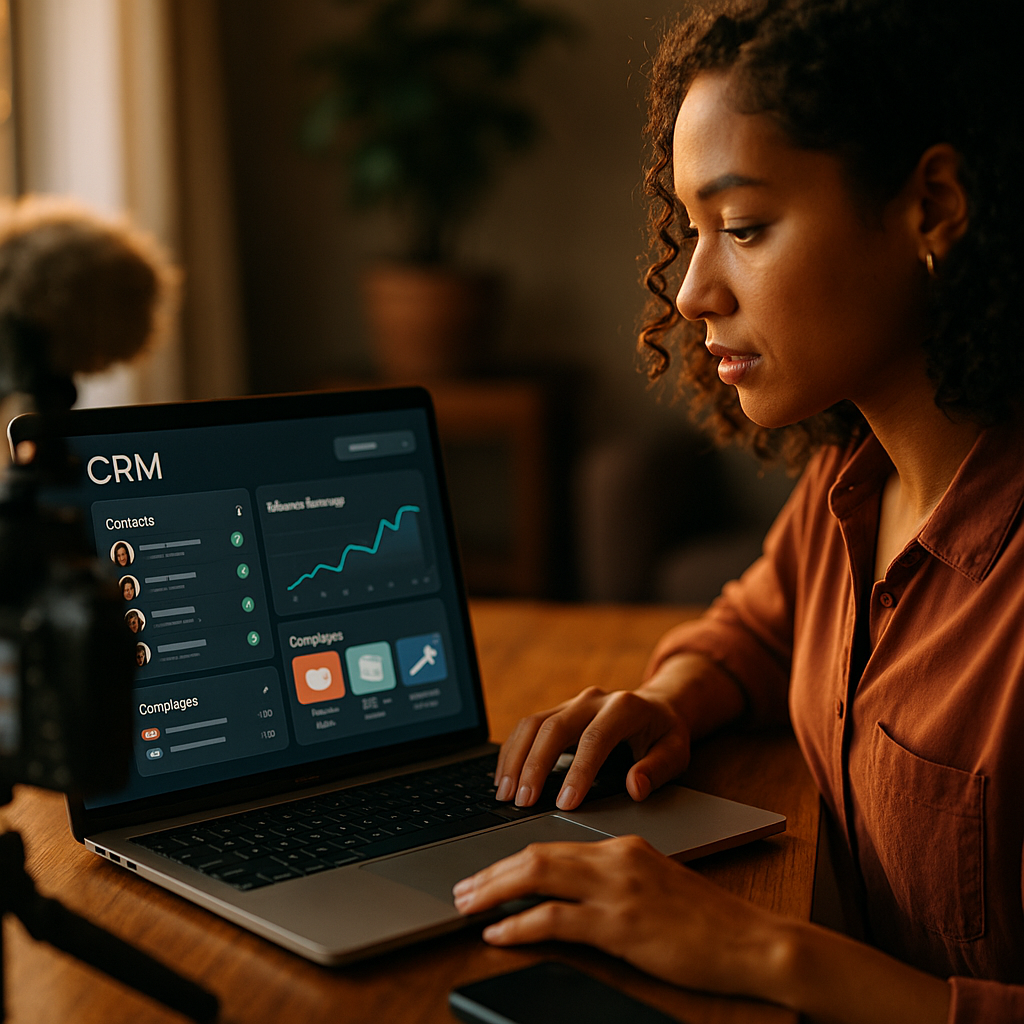
CRM for influencers is reshaping how creators manage relationships at scale, allowing them to keep track of brands, followers, and collaborations with unmatched efficiency. As influencer marketing grows more complex in 2025, understanding the right tools and strategies is critical. Ready to transform your influencer business? Let’s dive into how CRM can supercharge your network and opportunities.
Why Influencers Need a CRM: Streamlining Brand Partnerships
Influencer marketing is now a multi-billion-dollar industry, relying on strategic partnerships and authentic relationships. Many creators struggle with messy spreadsheets and overloaded inboxes, making it hard to nurture every professional connection. A customer relationship management (CRM) tool centralizes communication, campaign history, and contact data—ensuring no opportunity slips through the cracks.
In 2025, more brands prioritize working with organized influencers capable of managing projects smoothly. A CRM empowers influencers to:
- Track outreach and negotiation stages with brands
- Monitor active, past, and upcoming campaigns
- Store notes, preferences, and brand guidelines for easy reference
- Create a professional image when negotiating new deals
- Automate personalized follow-ups, increasing collaboration rates
Staying organized doesn’t just save time—it boosts revenue potential and reputation.
Key CRM Features for Influencer Relationship Management
Not all CRM systems are created equal, especially for influencers with unique needs. Selecting the right platform is crucial for maximizing value. In 2025, the most impactful CRM features for creators include:
- Contact Segmentation: Separate brands, agencies, collaborators, and high-value followers for targeted communication.
- Pipeline Visualization: Manage ongoing deals using visual boards that mirror your campaign workflows.
- Automated Reminders: Never miss a deadline or follow-up thanks to scheduled notifications and tasks.
- Collaboration Tracking: Archive details of every partnership, from rates to deliverables and outcomes.
- Content Calendar Integration: Sync your CRM with publishing and planning tools for seamless delivery.
- Analytics Dashboard: Measure partnership ROI, track outreach response rates, and identify top-performing collaborations.
Creators should choose CRMs offering customization and integration with email, DMs, and social analytics. These features ensure the system grows with your brand and evolving influencer business models.
Best Practices: Using CRM to Enhance Influencer Outreach
CRM isn’t just software—it’s a workflow mindset. Successful influencers leverage their CRMs to foster genuine, scalable relationships. Here’s how top creators do it in 2025:
- Personalize Every Message: Use stored information to tailor pitches and check-ins based on brand goals and past interactions.
- Systematize Outreach: Segment potential partners and pitch in batches to maximize exposure without sacrificing quality.
- Track Campaign Milestones: Break projects into actionable steps—proposal, creation, review, payment—logging progress inside the CRM.
- Add Value Always: Use the CRM to remember client milestones (like new launches or anniversaries) and surprise partners with relevant ideas or congratulations.
- Request Feedback After Every Campaign: Set reminders in the CRM for follow-up surveys; positive reviews build social proof and growth.
This systematic approach increases professionalism and makes partnerships more rewarding for both influencers and brands.
Scaling Followers and Community Management with CRM Tools
Influencer success isn’t just about brands—it’s also about your growing audience. Advanced CRMs now enable creators to nurture their biggest supporters, locate collaboration opportunities among followers, and automate personalized outreach at scale.
- Track Top Fans: Identify engaged followers, superfans, and influential supporters for exclusive offers or collaborations.
- Automate DMs and Email Sequences: Schedule thank-yous, event invites, or content drops to keep your community feeling appreciated.
- Monitor Community Sentiment: Use integrations and notes to spot topics that excite (or concern) your audience, guiding future content decisions.
- Host Scalable Q&A Sessions: Manage and respond to large volumes of questions with CRM ticketing features or integrations.
In 2025, audience loyalty is make-or-break for influencer careers. Using a CRM helps scale those “human touches” that foster lasting connection—even as your following grows into the hundreds of thousands.
Choosing the Right CRM for Influencers in 2025
The influencer tech market has exploded with purpose-built CRM tools. Choosing the best software depends on your content niche, business size, and collaboration style. Here’s what to consider:
- Workflow Compatibility: Does the CRM fit with how you manage deals, content, and outreach?
- Social & Email Integration: Can it pull data directly from Instagram DMs, TikTok, or YouTube comments?
- Affordability and Scalability: Are there entry-level plans for solo creators and tools for growth?
- Mobile Experience: Can you monitor partnerships and deadlines on the go?
- Data Privacy: Does the CRM meet the latest privacy regulations and offer detailed permission controls?
Some top-rated influencer CRMs in 2025 include Klear, Influencity, and Aspire, but emerging players may offer even more niche features. Test demo versions and ensure your choice supports both brand and audience relationship management for long-term results.
Measuring Success: CRM’s Impact on Influencer Earnings and Growth
Leveraging CRM for influencers is more than staying organized—it’s about driving measurable business growth. Influencers who adopt CRM platforms consistently report:
- Higher Partnership Conversion Rates: More pitches turn into paid campaigns thanks to better follow-ups and tracking.
- Faster Campaign Turnaround: Streamlined communication reduces delays, allowing creators to take on more work.
- Improved Relationship Longevity: Brands and followers return due to thoughtful, consistent engagement.
- Stronger Brand Reputation: Working professionally attracts high-profile collaborations and referrals.
Recent data shows that using influencer-focused CRMs can increase annual revenue by up to 32% through efficiency gains and improved client retention. In a competitive market, that’s the edge you need to stand out.
FAQs: CRM for Influencers
- What is a CRM for influencers?
A CRM for influencers is a software platform that helps manage partnerships, campaigns, contacts, and outreach with brands and followers at scale, optimizing organization and growth. - Is a general-purpose CRM good enough for influencers?
While basic CRMs can help, influencer-focused platforms include vital integrations (like social DMs), campaign tracking, and follower management for more value and efficiency. - How much do influencer CRMs cost in 2025?
Pricing varies from free plans for solo creators (with limited features) to $25–$100/month for advanced, multi-user influencer-specific systems. - Can CRM really help grow my following?
Yes, by automating outreach, tracking top fans, and personalizing communications, a CRM strengthens audience loyalty and word-of-mouth referrals. - Is my data secure in influencer CRMs?
Reputable platforms invest heavily in data privacy and security, often exceeding regulatory requirements. Always review privacy documentation and enable available security features.
In conclusion, CRM for influencers is essential for managing growing networks, boosting earnings, and maintaining strong relationships with both brands and followers. By adopting the right CRM tools and strategies, creators in 2025 position themselves for sustained influence, streamlined workflow, and scalable success.