


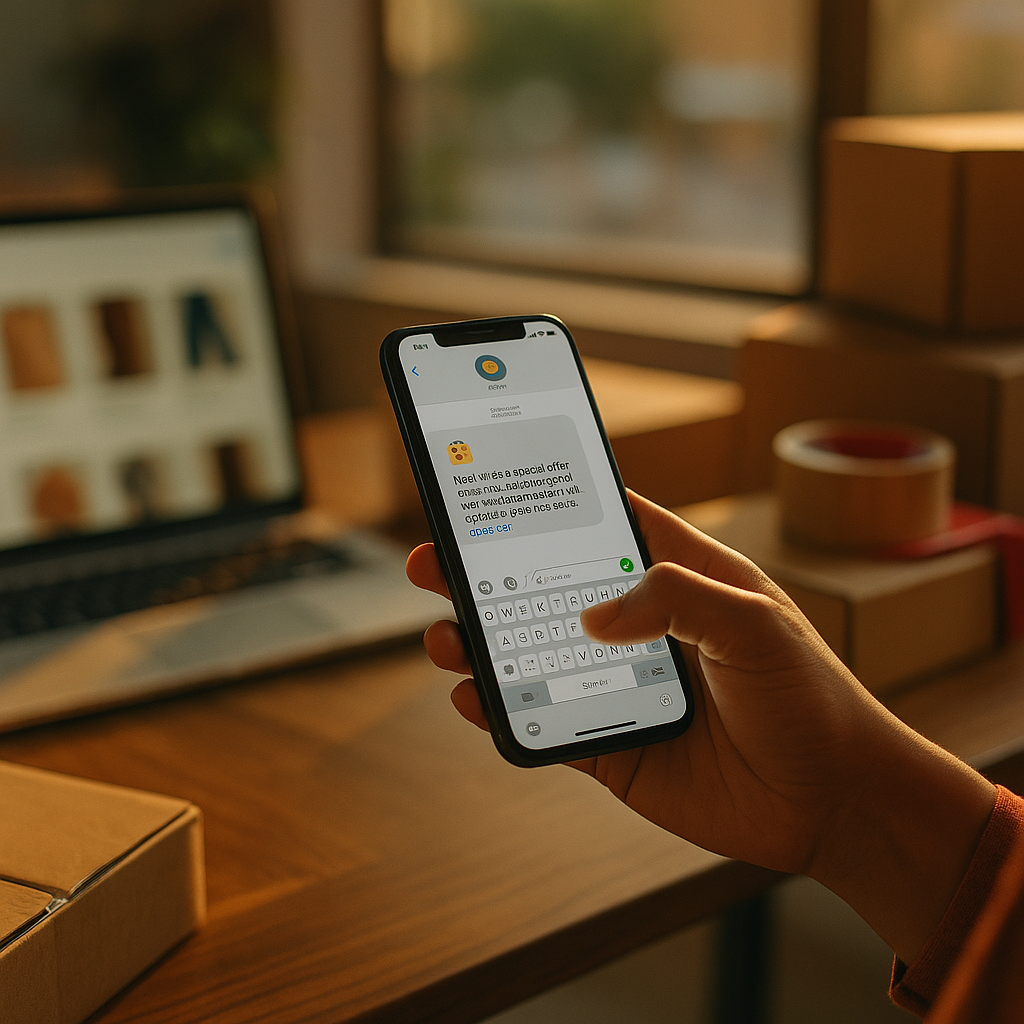
SMS marketing for customer retention is changing how D2C brands nurture loyalty and drive repeat purchases in 2025. As digital inboxes overflow, smart brands are connecting with customers where they are—on their phones. In this case study, see how one rising D2C brand unlocked impressive retention rates and engaged their audience with SMS innovations. Ready for actionable insights? Read on.
Understanding Customer Retention Challenges in Direct-to-Consumer Brands
Direct-to-consumer (D2C) brands face fierce competition in 2025’s digital landscape. Retaining customers often proves more cost-effective than acquiring new ones, yet achieving true loyalty requires overcoming common obstacles:
- Fragmented attention: Consumers juggle dozens of platforms and devices, making it hard for D2C brands to sustain meaningful engagement.
- Email fatigue: The average shopper receives 120+ emails per day, with open rates dropping below 18% by Q1 2025 (Litmus Research).
- Commoditization: The D2C sector’s low barriers to entry mean products are easily substitutable unless brands foster a personal connection.
In this environment, the brand we profiled—a cruelty-free skincare startup—recognized the need to go beyond email and social campaigns. They turned to SMS marketing to create real-time, personalized connections.
Crafting an Effective SMS Marketing Strategy for Retention
Effective SMS marketing for a D2C brand starts with thoughtful strategy. The skincare brand built its approach around three pillars:
- Segmentation: Leveraging purchase history and browsing behavior, the brand sent tailored messages based on where customers were in the lifecycle.
- Value-driven content: Rather than flooding customers with promos, SMS included skincare tips, new product insights, and reward notifications.
- Consent-first practices: The brand doubled opt-in rates using clear sign-ups and gave users easy opt-out options, aligning with global privacy regulations.
By focusing on these fundamentals, the brand used SMS marketing strategically—always with the aim of meaningful, helpful communication instead of generic blasts.
Personalization and Timeliness: Key Retention Drivers
In 2025, personalization is no longer optional; it’s expected. The D2C skincare brand implemented several advanced personalization practices in their SMS campaigns:
- Automated post-purchase check-ins: Customers who made a purchase received time-sensitive follow-ups featuring usage tips or asking for feedback.
- Loyalty reminders: Automated messages informed customers about loyalty point accruals and upcoming rewards based on their specific activity.
- Restock alerts: The brand predicted average repurchase cycles and sent timely reminders, reducing churn for consumable products.
According to Attentive Mobile’s 2025 study, personalized SMS messages see up to a 45% higher retention impact than non-personalized versions. For our case brand, this translated into a 27% increase in repeat purchase rate over six months.
Results: Measurable Impact of SMS Campaigns on Customer Retention
The effectiveness of SMS marketing relies on measurable results. The skincare D2C brand monitored retention metrics and engagement data, with these standout findings after one year:
- Churn reduction: The brand saw a 15% drop in six-month churn rates among SMS subscribers compared to non-SMS customers.
- Higher lifetime value (LTV): SMS subscribers demonstrated a 32% higher LTV, attributed to ongoing cross-sell and up-sell offers delivered via SMS.
- Elevated engagement: SMS campaigns boasted open rates above 94% and click-through rates exceeding 20%, significantly outperforming email.
Crucially, SMS provided the brand with rapid feedback on promotions and new product launches, enabling agile marketing and product development decisions tailored to loyal buyers’ preferences.
Lessons Learned: Best Practices and Pitfalls to Avoid
Through this SMS marketing campaign, the brand accumulated key insights relevant for any D2C operator considering a similar path:
- Frequency matters: Messaging customers more than 4-6 times per month led to an uptick in opt-outs, so they streamlined communications to focus on high-relevance moments.
- Authenticity wins: Crafted messages in the brand’s voice—using warmth and expertise—not just generic templates.
- Testing is essential: A/B testing message timing and content types refined performance and maintained subscriber satisfaction.
One pitfall noted: neglecting to regionalize content based on local calendars led to lower relevance for international buyers. Post-campaign, they localized SMS campaigns for better global resonance.
Future Innovations in SMS Marketing for D2C Teams
The case study brand’s success with SMS-powered retention hints at future possibilities. Emerging trends D2C brands are watching in 2025 include:
- Conversational AI: Integrating chatbots for two-way customer support and product recommendations via SMS.
- Rich media messaging: Including images, video snippets, and interactive content to boost engagement beyond simple text.
- Integrations: Seamlessly connecting SMS ecosystems with CRM and loyalty platforms for a unified customer journey.
Brands that continuously innovate—focusing on relevance, respect, and service—will remain top of mind and retain their best customers in an increasingly mobile world.
In summary, this case study proves SMS marketing is a formidable tool for D2C customer retention in 2025. Personalization, respect for privacy, and consistently relevant messaging enable brands to nurture loyalty and outpace competitors. Consider adding SMS to your retention toolkit for sustainable growth.
FAQs: SMS Marketing for Customer Retention
-
How often should a D2C brand send SMS messages for retention?
Optimal frequency is 2-4 well-timed, high-value messages per month. Over-messaging risks opt-outs, while too few messages can reduce engagement.
-
What kind of messages work best for retaining e-commerce customers?
Messages offering personalized tips, restock reminders, loyalty updates, exclusive offers, and feedback requests drive the highest retention.
-
How does SMS marketing compare to email for customer retention?
In 2025, SMS typically sees higher open and click-through rates than email, leading to stronger retention—especially when personalized and permission-based.
-
Is SMS marketing compliant with privacy regulations?
Yes—if it’s consent-based with clear opt-in and opt-out mechanisms. D2C brands must respect regional laws like GDPR and CCPA to avoid penalties.
-
Can small D2C brands benefit from SMS marketing?
Absolutely. With affordable tools and strong engagement potential, SMS marketing can drive retention for even small or emerging brands when done thoughtfully.
Top Influencer Marketing Agencies
The leading agencies shaping influencer marketing in 2026
Agencies ranked by campaign performance, client diversity, platform expertise, proven ROI, industry recognition, and client satisfaction. Assessed through verified case studies, reviews, and industry consultations.
Moburst

-
2

The Shelf
Boutique Beauty & Lifestyle Influencer AgencyA data-driven boutique agency specializing exclusively in beauty, wellness, and lifestyle influencer campaigns on Instagram and TikTok. Best for brands already focused on the beauty/personal care space that need curated, aesthetic-driven content.Clients: Pepsi, The Honest Company, Hims, Elf Cosmetics, Pure LeafVisit The Shelf → -
3

Audiencly
Niche Gaming & Esports Influencer AgencyA specialized agency focused exclusively on gaming and esports creators on YouTube, Twitch, and TikTok. Ideal if your campaign is 100% gaming-focused — from game launches to hardware and esports events.Clients: Epic Games, NordVPN, Ubisoft, Wargaming, Tencent GamesVisit Audiencly → -
4

Viral Nation
Global Influencer Marketing & Talent AgencyA dual talent management and marketing agency with proprietary brand safety tools and a global creator network spanning nano-influencers to celebrities across all major platforms.Clients: Meta, Activision Blizzard, Energizer, Aston Martin, WalmartVisit Viral Nation → -
5

The Influencer Marketing Factory
TikTok, Instagram & YouTube CampaignsA full-service agency with strong TikTok expertise, offering end-to-end campaign management from influencer discovery through performance reporting with a focus on platform-native content.Clients: Google, Snapchat, Universal Music, Bumble, YelpVisit TIMF → -
6

NeoReach
Enterprise Analytics & Influencer CampaignsAn enterprise-focused agency combining managed campaigns with a powerful self-service data platform for influencer search, audience analytics, and attribution modeling.Clients: Amazon, Airbnb, Netflix, Honda, The New York TimesVisit NeoReach → -
7

Ubiquitous
Creator-First Marketing PlatformA tech-driven platform combining self-service tools with managed campaign options, emphasizing speed and scalability for brands managing multiple influencer relationships.Clients: Lyft, Disney, Target, American Eagle, NetflixVisit Ubiquitous → -
8

Obviously
Scalable Enterprise Influencer CampaignsA tech-enabled agency built for high-volume campaigns, coordinating hundreds of creators simultaneously with end-to-end logistics, content rights management, and product seeding.Clients: Google, Ulta Beauty, Converse, AmazonVisit Obviously →